1. Current Industry Situation
In recent years, the Spanish construction industry has been gradually recovering from the post-financial-crisis downturn, especially with vibrant urban renewal projects in major cities such as Madrid, Barcelona, and Valencia. With the support of EU funding and the implementation of domestic sustainable development policies, the construction market has shown a more diversified landscape.
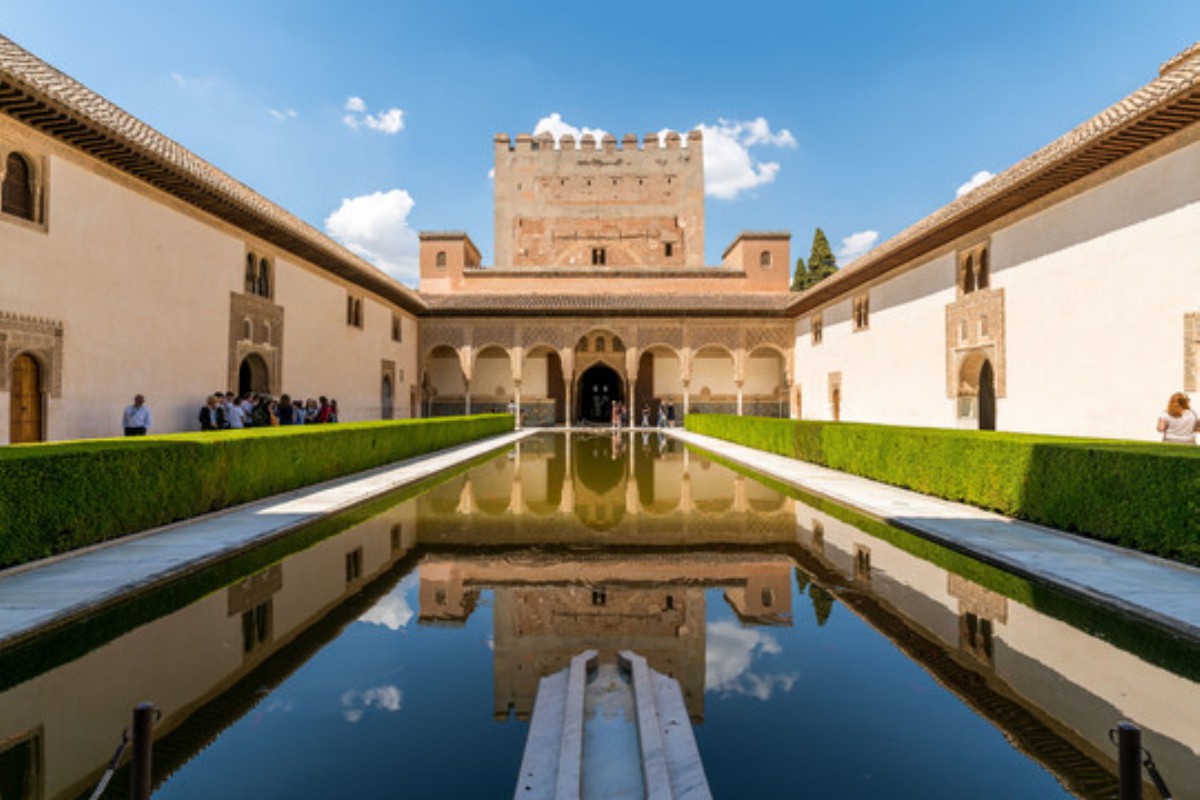
2. Urbanization and Population Mobility
Spain’s urbanization rate has remained high for decades, but in recent years, the demand for jobs and education among young people has led to population concentration in top-tier and some second-tier cities. This trend has increased the need for urban housing renovation and public facility construction, especially in improving living quality while preserving cultural heritage. This balance has become a major focus for many architects and developers.
3. Sustainable and Green Building
Renewable energy and energy-saving measures have become mandatory in new projects. Photovoltaic rooftops, rainwater recycling, and green façades are increasingly common, not only meeting EU emission reduction requirements but also enhancing the long-term value of properties.
| Technology | Application Case Spanish Construction Employment Prospects |
|---|
| Photovoltaic Power Generation | Residential rooftop solar panels |
| Rainwater Recycling | Community landscape irrigation |
| Green Façade | Office building exterior walls |
Tip: Green buildings are generally more popular in the rental market, especially among young professionals.
4. Investment Opportunities and Risks
For Spanish Construction Outlook investors, urban renewal is a direction worth watching. Renovation projects in old town districts not only offer potential high returns but can also benefit from certain tax incentives. However, market volatility due to interest rate changes and the international economic environment means risks must not be ignored.
Blindly following trends is not advisable; it is recommended to continuously monitor government infrastructure plans and real estate transaction data to make more prudent judgments.
5. Future Outlook
Overall, Spain’s construction industry is expected to maintain steady growth over the next five to ten years, particularly in sustainable development and smart city fields. However, fluctuations in building material prices, labor market conditions, and the international political-economic climate remain key variables affecting the industry.
For those living in Spain or planning long-term residence, keeping a reasonable focus on construction industry dynamics can not only help in choosing housing but also in seizing potential opportunities in investment and employment.
