Origins of Islamic Style in Spain
When discussing Islamic-style architecture in Spain, many immediately think of the ancient cities of Andalusia. This architectural style originated after the Moorish conquest of the Iberian Peninsula in the 8th century, bringing North African and Middle Eastern aesthetics. Over centuries, this style gradually merged with Western European Gothic and Renaissance elements, forming a uniquely captivating architectural system.
Representative Cities and Buildings
In Andalusia, the Alhambra Palace in Granada and the Mosque–Cathedral of Córdoba are the most iconic landmarks showcasing this style.
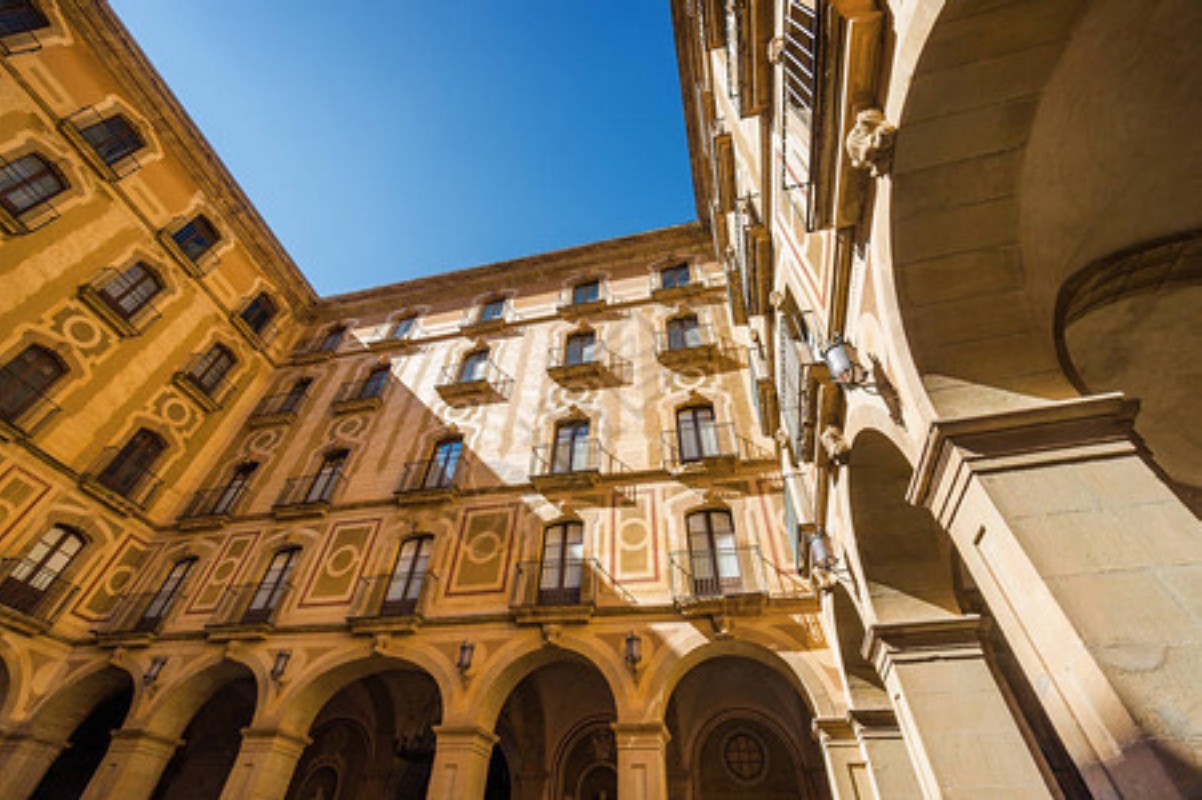
The Alhambra Palace is renowned for its intricate geometric carvings and arch structures, while the Mosque–Cathedral of Córdoba combines Islamic arches with Christian altars in the same space, conveying a deep and complex historical narrative.
Architectural Feature Analysis
Islamic-style architecture in Spain has several notable characteristics:
| Feature | Description |
|---|
| Horseshoe arches | Common in doorways and corridors, symbolizing openness and elegance |
| Geometric tiles | Colorful mosaic patterns, full of mathematical beauty |
| Courtyard gardens | Central pools combined with plants, conveying tranquility |
These elements are not only found in historical sites but also inspire designs in some modern Spanish homes and public buildings.
Travel Suggestions
If you plan to immerse yourself in Islamic architecture in Spain, consider visiting during spring or autumn when the weather is pleasant and tourist crowds are smaller. At sunset in Granada, climb to the Mirador de San Nicolás for a breathtaking view of the entire Alhambra Palace; in Córdoba, visit the mosque in the morning to appreciate its delicate interior structure under soft light.
Modern Influence and Preservation
Today, the Spanish government and local organizations are actively preserving these historical buildings. Protection and restoration efforts ensure future generations can witness this cultural heritage in its original form. Many buildings have also adapted their functions, with some palaces converted into museums and certain areas of mosques opened to the public.
This culturally blended architectural style not only bears witness to historical changes but also plays a vital role in Spain’s tourism and social culture. When visiting these buildings, take time to admire each detail—you may find within them not only art but also stories spanning time and space.
