The Unique Charm of Spanish Tourism Architecture
History and Diverse Influences
Spain’s architectural styles are incredibly rich, ranging from Roman-era ruins to Moorish castles in Arab style, as well as Spanish architectural tourism Gothic cathedrals and Renaissance palaces, all interwoven across different regions. The Iberian Peninsula was once a crossroads of many cultures, and this historical background has given Spain a fascinating diversity in architecture.
Gaudí and Modernism
Speaking of Spanish architecture, one cannot overlook the Catalan architect Antoni Gaudí. His works, such as Sagrada Família and Casa Milà, are renowned for their unique curves and natural elements, blending art with engineering in a masterful balance that feels like stepping into a dream world. 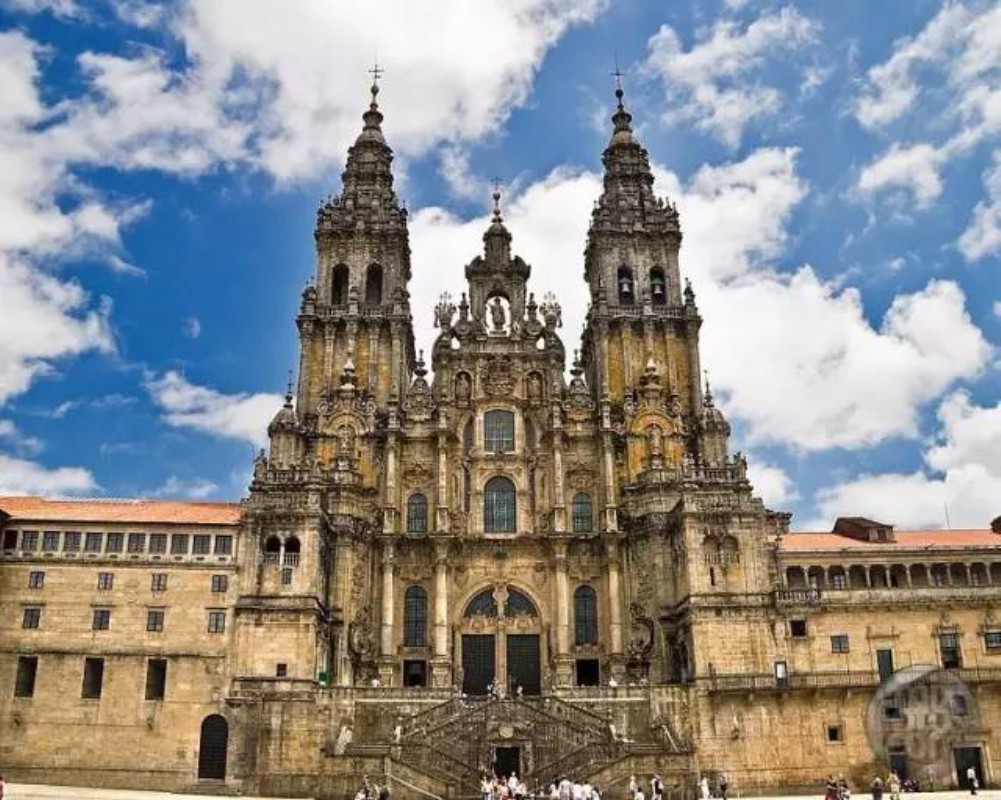
Regional Differences and Distinctiveness
In Andalusia, the Alhambra Palace showcases Islamic geometric aesthetics and intricate decorative details; while in the northern Basque Country, architecture in a modern industrial context emphasizes functionality and simplicity, exemplified by the Guggenheim Museum in Bilbao. Such regional differences allow travelers to experience completely different architectural atmospheres within the same country.
Representative Architecture of Different Periods
| Period | Representative Architecture |
|---|
| Roman Era | Tarragona Amphitheatre |
| Middle Ages | Toledo Cathedral |
| Renaissance | El Escorial Monastery |
| Modernism | Sagrada Família |
These structures are celebrated not only for their shapes but also for embodying the social background and cultural spirit of their respective eras.
Travel Tips
If Spanish characteristic architecture you plan to gain deeper knowledge of Spanish architecture, consider designing your trip in chronological order. For example, start in the southern Andalusia to immerse yourself in the grandeur of Moorish style, then head north to experience Gothic majesty and Renaissance solemnity, ending with the modernist climax in Barcelona. It is recommended to check opening hours in advance and leave ample time for visits, as many interiors and courtyards are worth appreciating slowly.
In Spain, architecture is not just a physical space, but also a vessel of culture and a witness to history — every stone and carving tells stories of both the past and the future.
