Typical Spanish Architectural Elements
Walking through the streets of various parts of Spain, you will notice that many cities display distinct architectural symbols. These elements are not only beautiful decorations but also condensed stories of history and culture. Whether it’s the modernist buildings of Barcelona or the Moorish courtyards of Andalusia, each place conveys its own unique atmosphere.
Arches and Vaults
Arches in Spain are commonly found in churches, palaces, and old city gates. Especially the Moorish-style horseshoe arches, which are elegant yet full of strength. In the Royal Alcázar, the vaults combine with intricate carvings, adding depth and dimension to the spaces. Even modern buildings borrow these arch shapes, creating a visual blend of past and present.
Colorful Tiles
Colorful tiles are a common material for both interior and exterior decoration in Spain, particularly in Seville and Valencia. They are not only durable but also feature diverse Spanish architecture patterns that depict geometric textures, natural flowers, and more. 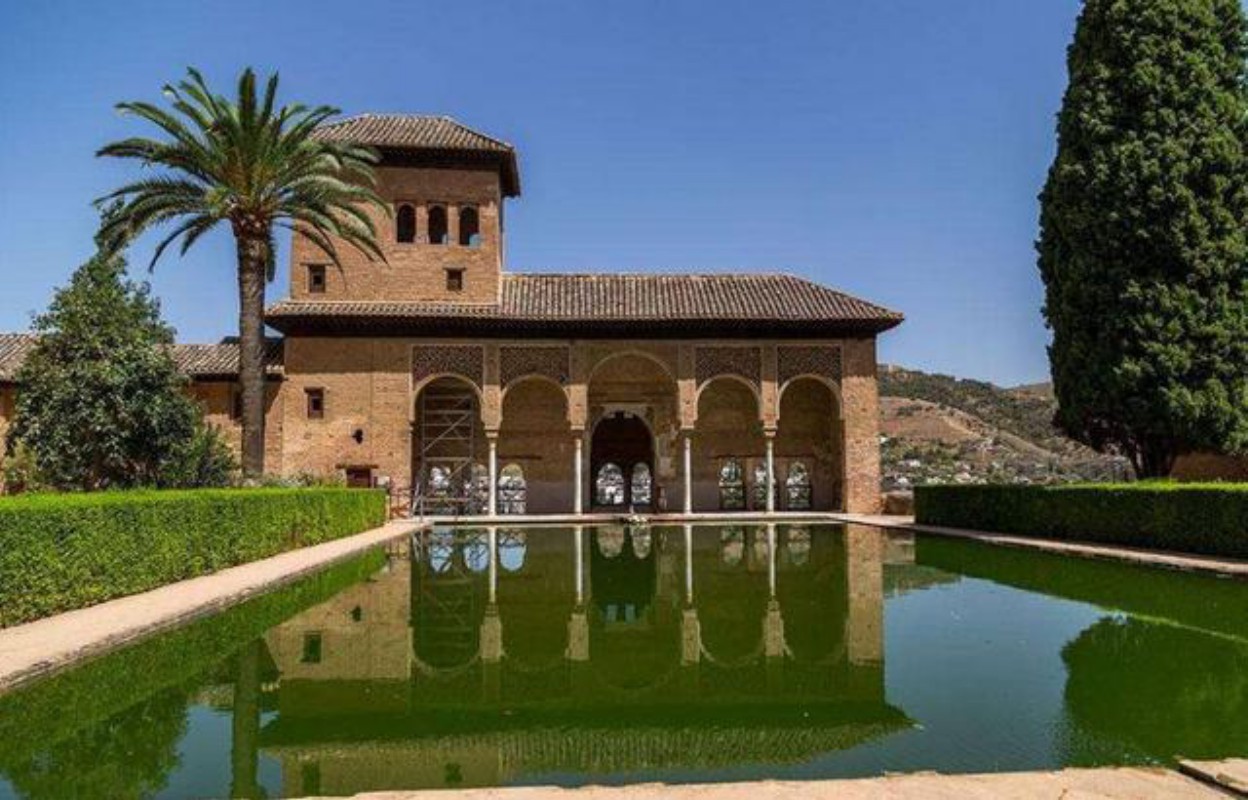 On restaurant walls or benches in public squares, these exquisite pieces often catch the eye. Some old streets with Spanish architecture even embed addresses and signage into tiles, giving them a distinct charm.
Wrought Iron Balconies and Window Grilles
Throughout Spain, balconies and window grilles often feature wrought iron decoration. These serve a protective function while also adding an aesthetic touch. In Granada’s narrow streets, wrought iron structures are often accompanied by vine plants. Black or bronze iron frames paired with flowers create romantic façades.
The Combination of Stone and Brick
In some historic districts, you can see a combination of stone foundations and red brick walls, often chosen for both structural and aesthetic reasons. The stone ensures the building’s stability, while the brick brings a warm hue.
| Material | Common Uses |
|---|
| Stone | City walls, foundations |
| Red brick | Exterior walls, arches |
| Tiles | Decoration, paving |
Fusion of Modern Elements
Spanish architecture does not remain frozen in history; many modern designers integrate glass curtain walls with traditional arches in new residential or commercial buildings, breaking a single style. For example, some new cultural centers in Madrid have cleverly retained the accent of colorful tiles within minimalist structures. This fusion makes the cityscape more diverse and allows local culture to continue to shine in the modern era.
