Differences and Appeal of French and Spanish Architecture
France and Spain are both located in Western Europe, yet their architectural styles are notably distinct. This stems not only from their different historical backgrounds but also from their geographical climates and religious cultures. As Marseille Spanish Architecture, a regular user who has lived in Spain for many years, I often compare these two styles during my travels and have discovered many intriguing details.
Historical Evolution
French architecture in the medieval period was heavily influenced by Gothic style, featuring towering spires and slender windows, emphasizing verticality and the play of light and shadow. Spanish architecture, by contrast, merged Mudéjar style with Islamic elements during the Middle Ages, full of geometric patterns and exquisite tilework. This difference gives the old towns in both countries distinctly different visual experiences.
Materials and Colors
Northern French buildings often use grey stone, creating a solemn and weighty effect, while southern Spanish buildings tend to feature whitewashed walls paired with red-tiled roofs, appearing especially warm in the sunlight. France’s palette leans cool, while Spain’s is clearly warm, a difference that perfectly reflects each country’s climate and lifestyle.
Comparison Table
| Feature | French Architecture | Spanish Architecture |
|---|
| Dominant Style | Gothic, Baroque | Mudéjar, Baroque |
| Common Materials | Granite, limestone | Tiles, whitewashed walls |
| Decorative Elements | Reliefs, stained glass | Geometric tiles, wrought iron windows |
Cultural Influence
French architecture emphasizes symmetry and order, reflecting a spirit of rationality and rules; Spanish architecture focuses more on crafting emotion and atmosphere, making people feel welcome and passionate. This cultural temperament is magnified in architecture—walking through the streets of either country, you’ll sense two distinct rhythms.
My Impressions
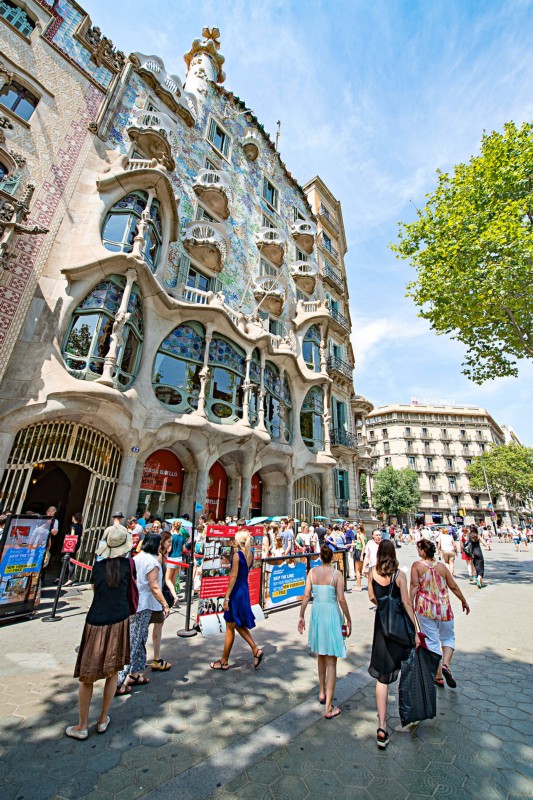
If French architecture conveys a beauty of solemnity and restraint, then French, Spanish, and Dutch Architectural Features Spanish architecture emanates an air of openness and freedom. Whether gazing up at centuries-old churches along the Seine in Paris, or spotting Gaudí’s masterpieces on the streets of Barcelona, these moments deepen my understanding that architecture is a mirror of culture. I hope everyone has the chance to experience these two styles firsthand and feel the blend of history and modern life during your travels.
