Exploring Spanish Architectural Handcraft
Many friends who come to live in Spain, whether short-term or long-term, find themselves captivated by the unique architectural style and traditional craftsmanship showcased in Spanish architectural 3D handcraft. From the whitewashed red-roof towns of Andalusia to Gaudí’s curving marvels in Barcelona, inspiration abounds for handcraft creators. But how can you integrate these elements into your own work? Drawing on my own experiences, I’d like to share a few practical suggestions.
Choosing Materials
When working on architectural handcrafts in Spain, local eco-friendly materials are a top choice. For example, gypsum board can be used to replicate the texture of ancient walls, or handcrafted terracotta bricks can be selected for small-scale models. At local markets, you’ll discover many artisans willing to share their techniques. 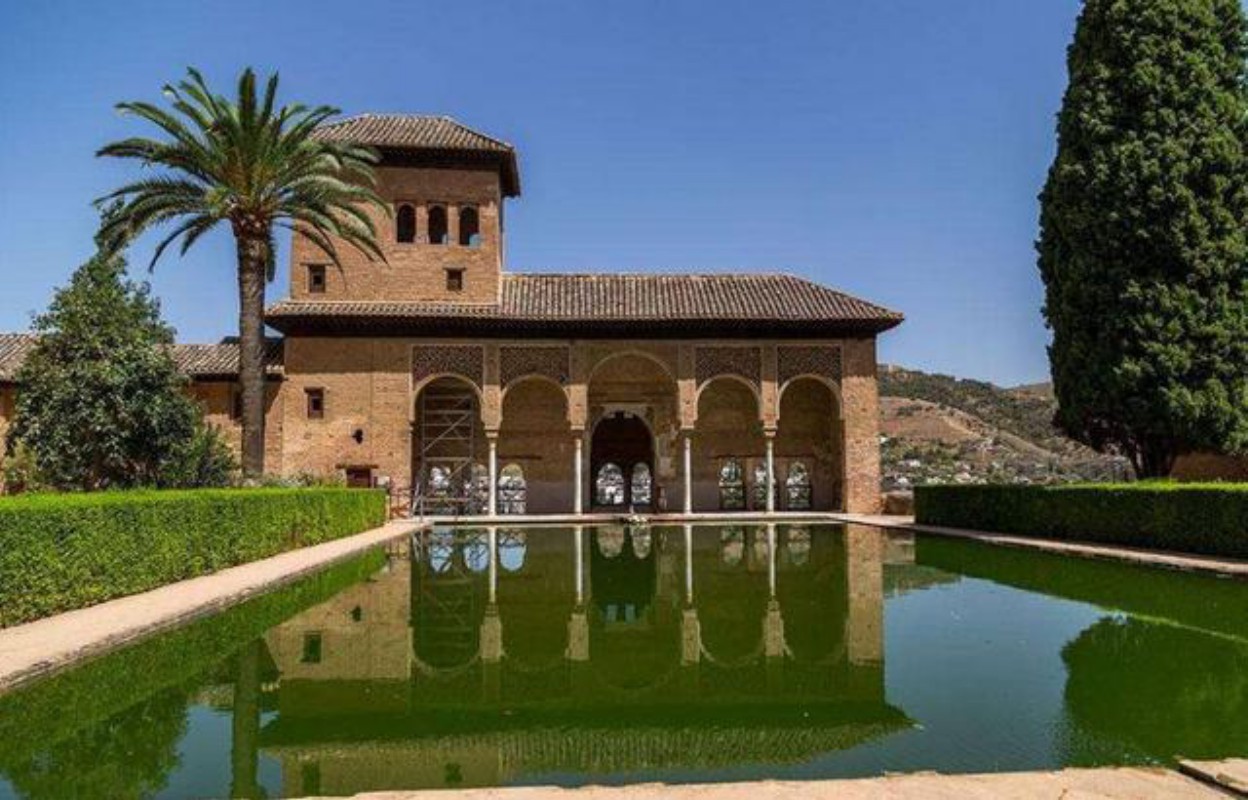 These materials are not only durable but also preserve a warmth and sense of history tied to the region.
Tools and Techniques
Handcrafting relies heavily on tools, and here are a few I often use: small chisels, a carpenter’s hammer, and sandpaper. Spanish hardware stores usually sell complete sets with excellent quality. You can also incorporate traditional decorative techniques such as azulejos mosaics, which can instantly enhance the artistic feel of your piece.
| Tool Name | Purpose |
|---|
| Chisel | Carving wood and gypsum details |
| Carpenter’s hammer | Striking and securing |
| Sandpaper | Smoothing surfaces |
Incorporating Local Cultural Elements
Consider adding some timeworn effects to evoke a sense of age. For instance, around the small windows of a model, use a random brush stroke method to convey the impression of old, peeling paint. Such details not only make your work more vivid but also immerse viewers in the atmosphere of Spain’s historic towns.
Community Exchange and Learning
In various craft enthusiast forums or workshops, you’ll often meet like-minded people. Exchanges here are very open; you can bring your semi-finished pieces to consult experienced artisans, who will gladly share techniques and even sources for raw materials.
Final Reflections
Spanish architectural handcrafting is not only a hobby but also a lifestyle. Over time, you’ll find yourself truly sensing the texture of this country and weaving it bit by bit into your creations. I hope everyone can discover their own rhythm and style during the creative process.
