The Charm of Spain’s Cliffside Architecture
Spain’s cliffside buildings are renowned for their stunning locations and distinctive structures. These constructions often cling to steep mountainsides or canyon edges, blending seamlessly with the surrounding natural environment. In places like Ronda in Andalusia and Sitges in Catalonia, you can find architecture built in intimate connection with nature. Many visitors, upon first standing before these structures, are struck by their “city in the sky” visual impact.
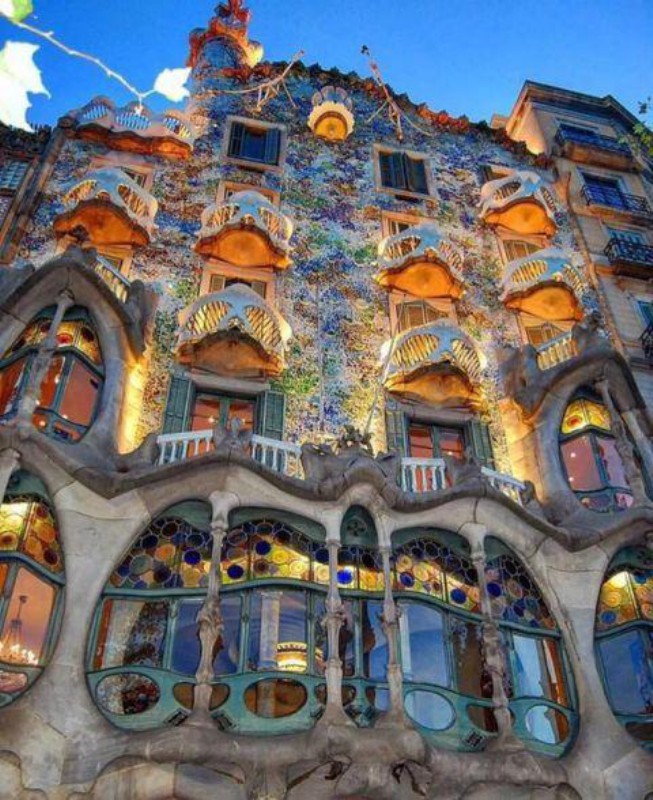
Historical Background and Cultural Connotations
The emergence of cliffside architecture is closely linked to Spain’s complex terrain and history. Many buildings date back to the medieval Moorish era, when residents, for defensive purposes, built houses at high elevations to make it harder for enemies to penetrate. This design provided Spain’s cliffside architecture with natural advantages during times of war, and in peacetime it became a unique attraction for tourists. From a cultural perspective, it symbolizes humanity’s adaptation to and respect for natural challenges.
Structural Design and Safety
Cliffside buildings demonstrate exceptional ingenuity in structural design. Architects must consider aesthetics while ensuring stability and safety. Below are some common design features:
| Feature | Description |
|---|
| Foundation reinforcement | Driving deep piles into rock walls to enhance stability |
| Material selection | Predominantly local stone with strong wind erosion resistance |
| Weight control | Reducing building height to avoid excessive load |
Especially in reinforcement, modern engineers combine reinforced concrete with ancient stone masonry techniques, allowing the buildings to remain stable even during strong winds or earthquakes.
Aesthetics and Landscape Integration
Cliffside architecture is not only living space but also an integral part of the scenery. They often merge with surrounding valleys or coastlines, creating picturesque views. At sunrise and sunset, sunlight casts layered shadows across cliff walls and building facades, a captivating fusion of natural and man-made beauty. Such views often keep photographers enchanted for hours.
Traveler Experience and Suggestions
For Spain’s cliffside architecture explorers, visiting these sites is a unique experience. It is recommended to travel during off-peak seasons to avoid crowds disrupting photography and the atmosphere. Safety is important—some old streets are narrow with low railings, so always watch your step. Do not climb or jump in dangerous areas, and maintain respect for local regulations. Bring a comfortable pair of shoes and immerse yourself in the history and scenery with each step.
Cliffside architecture is the result of Spain’s land and human ingenuity; they not only carry a rich history but also continue to influence modern architectural and tourism trends.
