Regional Characteristics of Spanish Clay Architecture
Walking through Spain’s countryside and small towns, it’s easy to spot houses with warm-toned, slightly rough walls—these are typical clay buildings. This construction style has deep roots, from Roman times through the influence of Arab culture. Clay walls reflect local adaptation to the natural environment, as well as embody regional lifestyle wisdom.
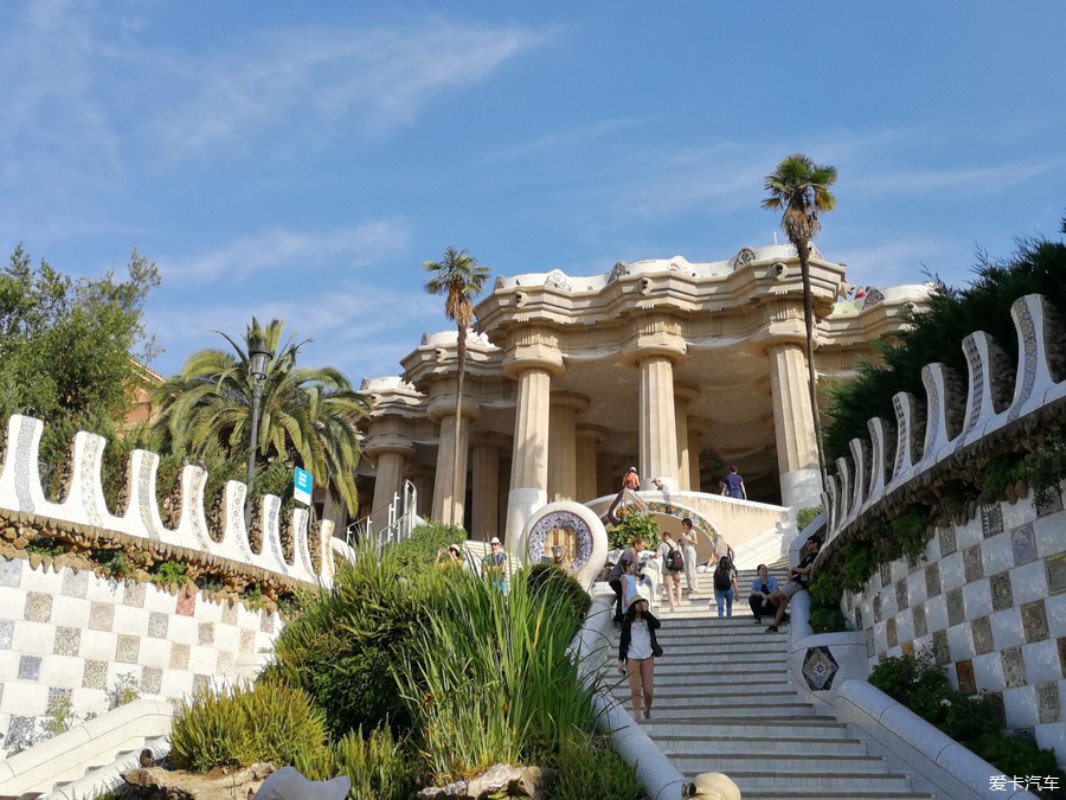
Materials and Craftsmanship
Spanish clay is mainly sourced from riverbeds and mountain sediment layers, usually in warm hues like ochre, reddish-brown, or deep brown. Craftsmen mix in straw fibers to improve resistance to cracking, then sun-dry and air-dry the walls for strength. This approach is especially common on the central plateau, effectively buffering the sharp day-night temperature differences in spring and autumn.
| Region | Clay Color |
|---|
| Andalusia | Reddish-brown |
| Castilla-La Mancha | Ochre |
| Aragon | Deep brown |
Climate Adaptation Advantages
Another notable quality of clay architecture is its ability to regulate indoor temperature. In summer, thick walls block intense sunlight and release stored coolness at night; in winter, they retain the warmth gained from the sun, reducing heating needs. This is particularly important in hot, dry regions such as Andalusia and Extremadura.
Style and Aesthetic
If you pay attention to Spanish clay architecture, you will notice that many clay buildings have outer walls coated with limewash—not only to improve appearance and brightness, but also for practical benefits like rain protection and insect resistance. The simple yet cozy texture instantly conveys the leisurely atmosphere of the Mediterranean region.
Contemporary Heritage and Change
Today, with the rise of eco-conscious design concepts, some architects are returning to this traditional yet once overlooked material, blending it with modern structural techniques to create homes that balance comfort and sustainability. For those seeking a natural lifestyle, such as admirers of Spanish architectural clay works, this choice undoubtedly represents a lifestyle statement.
In summary, Spanish clay architecture is more than just a type of housing—it is a philosophy of living deeply connected to land, climate, and culture. From south to north, every shade and texture tells a story unique to its local area.
