The Colorful World of Spanish Balcony Architecture
Strolling through the city streets of Spain, it’s hard not to be drawn to the distinctive balconies that adorn the buildings. Whether in Madrid’s old neighborhoods or along Barcelona’s modernist avenues, balconies always seem closely tied to the residents’ daily lives. A Spanish-style balcony is often not just part of a building, but a reflection of a lifestyle.
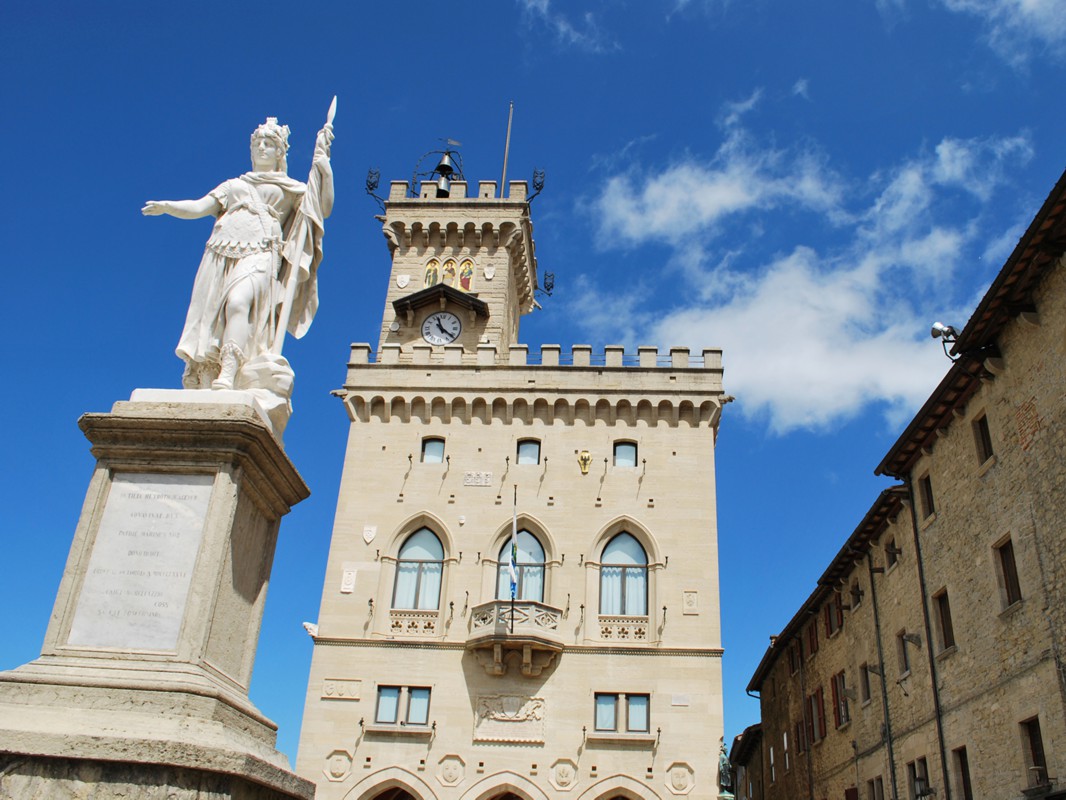
History and Origins
The history of Spanish balconies dates back to the Middle Ages, shaped by a blend of Arab architecture, the Italian Renaissance, and local craftsmanship showcased in Spanish balcony renovation. These balconies continue the tradition of combining decorative facades with functionality. In Andalusia in the south, balconies with wrought iron railings and hanging flower baskets are especially common, closely related to the local climate and open-air lifestyle.
Styles and Materials
The use of wrought iron, wood, and ceramic tiles as primary balcony materials is one of the hallmarks of Spanish architecture. The curves and patterns of wrought iron not only provide safety but also act as three-dimensional works of art. Different cities emphasize various decorative elements on balconies, for example:
| City | Balcony Features |
|---|
| Madrid | Large French sliding doors paired with wrought iron railings |
| Barcelona | Gaudí-style curved designs with stained glass |
| Seville | Dark wooden balconies set against white walls |
Function and Lifestyle
In Spain, balconies are not only used for drying clothes but also serve as social spaces. From watching parades during festivals to chatting with neighbors at dusk, a balcony extends the interaction between home and street. Especially in old towns, many families set up small tables and chairs for coffee or casual gatherings, creating an romantic and leisurely ambiance rarely found elsewhere.
How to Appreciate and Preserve
If you live or travel in Spain, try paying attention to the different balcony styles in each neighborhood, taking photos to capture them. For those living with a Spanish balcony, maintaining its cleanliness and structural safety is essential—wooden components are particularly vulnerable to the damp weather and require regular varnishing for protection.
Summary and Discussion
Spanish-style balcony architecture is not only an aesthetic choice but also reflects how locals connect with the outside world. Whether you are a visitor or a resident, by observing closely, you can feel the cultural warmth of the country through its balconies. Do you have your favorite Spanish balcony photograph? Feel free to post and share it below.
