Overview of Historical Building Restoration in Spain
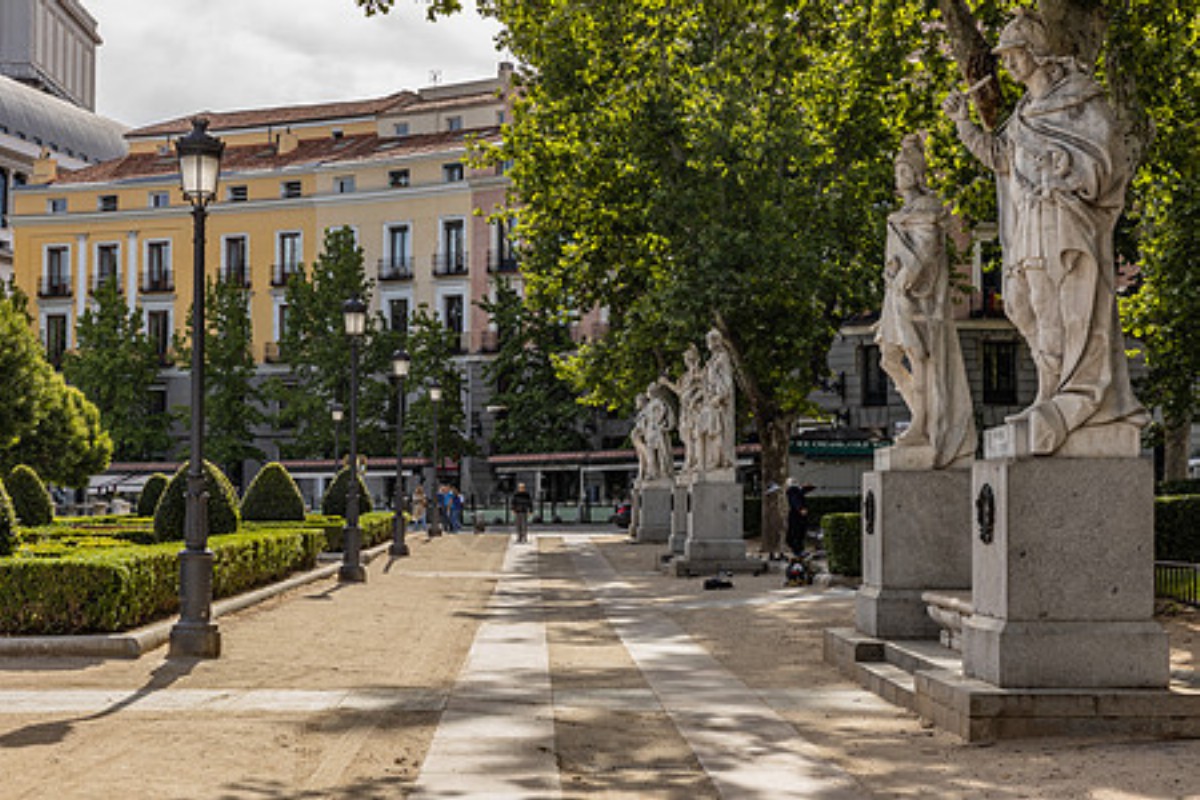
After living in Spain for a while, you will notice that both big cities and small towns boast buildings steeped in history. From Roman-era ruins to medieval churches and even modern-era estates, these heritage structures not only carry historical memories but also form an important part of community culture. Many homeowners or community members encounter the issue of restoring historical buildings when purchasing old houses or participating in maintenance of communal facilities.
Regulations and Permit Procedures
In Spain, the restoration of historical buildings must comply with specific regulations, generally managed by local governments or regional cultural departments. Before starting work, you must apply for a permit and submit a detailed Spanish architectural styles restoration plan and materials specification. Particularly when changes involve the exterior structure or historical elements, the aim is to preserve the original appearance as much as possible.
| Law Name | Managing Institution |
|---|
| Ley de Patrimonio Histórico Español | Ministerio de Cultura |
| Regional regulations | Consejería de Cultura |
Some residents share that during the application process, they were required to provide evidence of the building’s age along with photographic records. This stage can take some time, so it’s advisable to prepare in advance.
Common Materials and Techniques
When restoring historic buildings in Spain, materials such as lime mortar, natural stone, and old-style wooden beams are frequently used. Skilled craftsmen employ traditional techniques to ensure both aesthetic appeal and structural safety. Avoid replacing original materials at will, as this could diminish the building’s value.
For example, a friend in Andalusia restored the roof of an old house using handcrafted tiles. This approach not only secured the permit but also earned praise from the local cultural department.
Budget and Timeline
Restoration costs for historic buildings are typically higher than for standard renovations due to the need for special materials and experienced artisans. On average, restoration expenses may range from €300 to €800 per square meter, depending on materials and technical requirements. In terms of time, from application to completion, the process can take anywhere from several months to up to a year.
Tips and Community Resources
In Spain, some towns regularly organize workshops or lectures on historic building preservation, offering free or low-cost Spanish architectural heritage restoration advice. You can also post on local forums to connect with experienced neighbors. Ignoring these resources will make restoration more challenging. It’s recommended to seek advice before starting, and even visit completed projects in person for inspiration.
Restoring a historical building is not just construction work—it is a dialogue with history. Hopefully, everyone undertaking such projects will focus on practicality while also appreciating the stories behind them.
