Colors and Culture in Spanish Architecture
In Spain, the colors of architecture in different regions often reflect profound history and local culture. From the whitewashed walls of Andalusia to the vibrant facades of Catalonia, each hue tells a unique story. As you walk along the streets, you’ll see that color is not only an aesthetic choice but also an expression of lifestyle.
The White of Andalusia
In the towns and villages of Andalusia, especially in Cordoba, Mijas, and similar places, whitewashed houses are a common sight. This white not only feels fresh but also effectively reflects sunlight during the hot summer, lowering indoor temperatures. This combination of practicality and beauty is a hallmark of the Mediterranean region. Strolling through such villages feels like stepping into a canvas woven with light and color.
The Colorful Facades of Catalonia
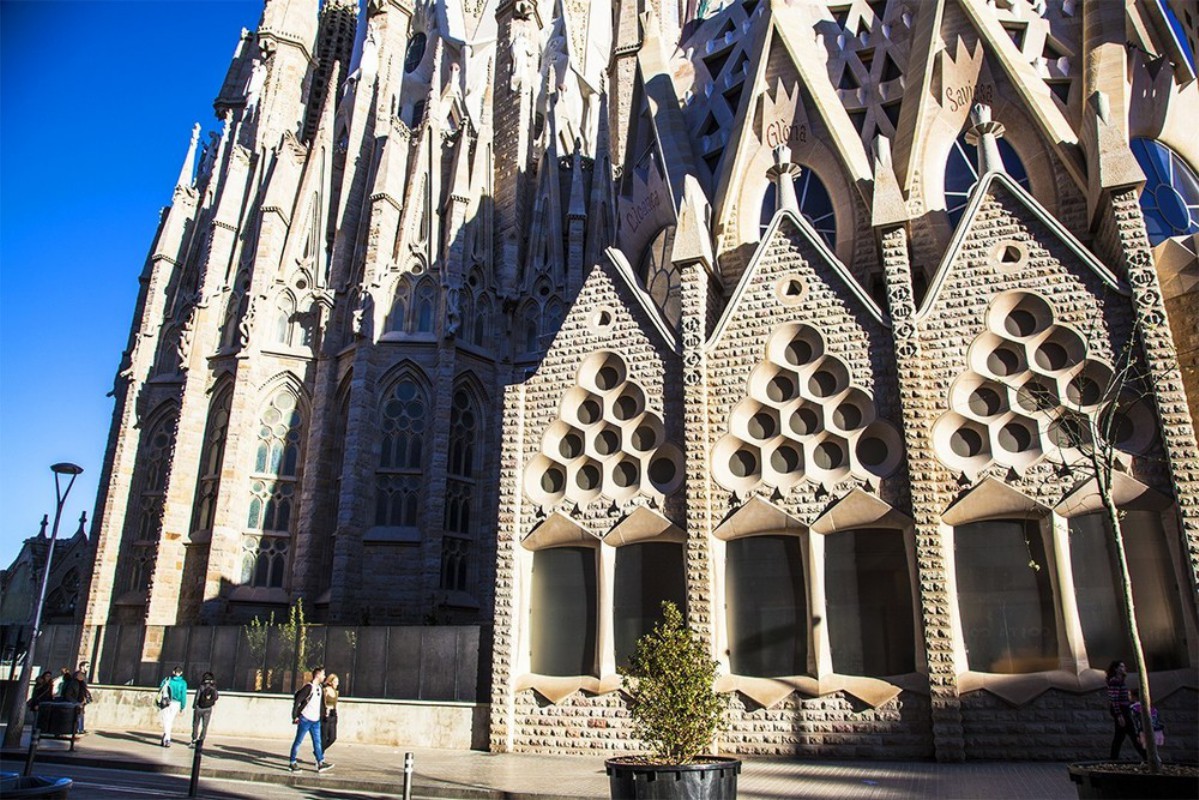
In Barcelona and its surroundings, building facades frequently feature a range of colors, from warm orange to intense red. Red here symbolizes passion and vitality, while weathered walls bear the marks of time. Gaudí’s works showcase the pinnacle of color usage, blending ceramics, glass, and metal to create dreamlike visual effects.
Differences Between North and South
There are significant differences in architectural colors between southern and northern Spain. The south favors high-contrast light tones, while the north often uses darker hues or the natural colors of stone, closely related to climate and material sources.
| Region | Common Colors |
|---|
| Andalusia | White, light blue |
| Catalonia | Orange, red |
| Basque | Gray, brown |
The Palette of City and Countryside
Rural architecture tends to harmonize with the natural environment, so color choices are softer, often using brick red and lime white. Urban architecture, on the other hand, is more [ size=80 ]bold, perhaps using Spanish exterior wall colors like bright yellow, purple, and other eye-catching tones to create a unique identity. This contrast allows visitors to experience rich layers of culture across regions.
Cultural Symbols in Color
Beyond functionality and aesthetics, the colors of Spanish architecture also convey traditions related to festivals, religion, and community identity. In some towns, building colors are temporarily adjusted during festive periods to welcome important events. These colors are not just decorations but part of the emotional bond between people and the land.
Overall, the colors of Spanish architecture are a cultural expression that transcends time. Whether you’re walking along the Mediterranean coast or in an inland ancient city, by paying attention to these colors you will see each building telling its own story.
