The Unique Status of Spanish Architecture
Spanish architecture holds an unparalleled position in the long course of European history. It blends the cultural genes of the Iberian Peninsula, from Roman remains to Moorish art, and from Renaissance to Baroque styles. This diversity allows Spanish architecture to stand as its own system while also exerting profound influence on neighboring countries.
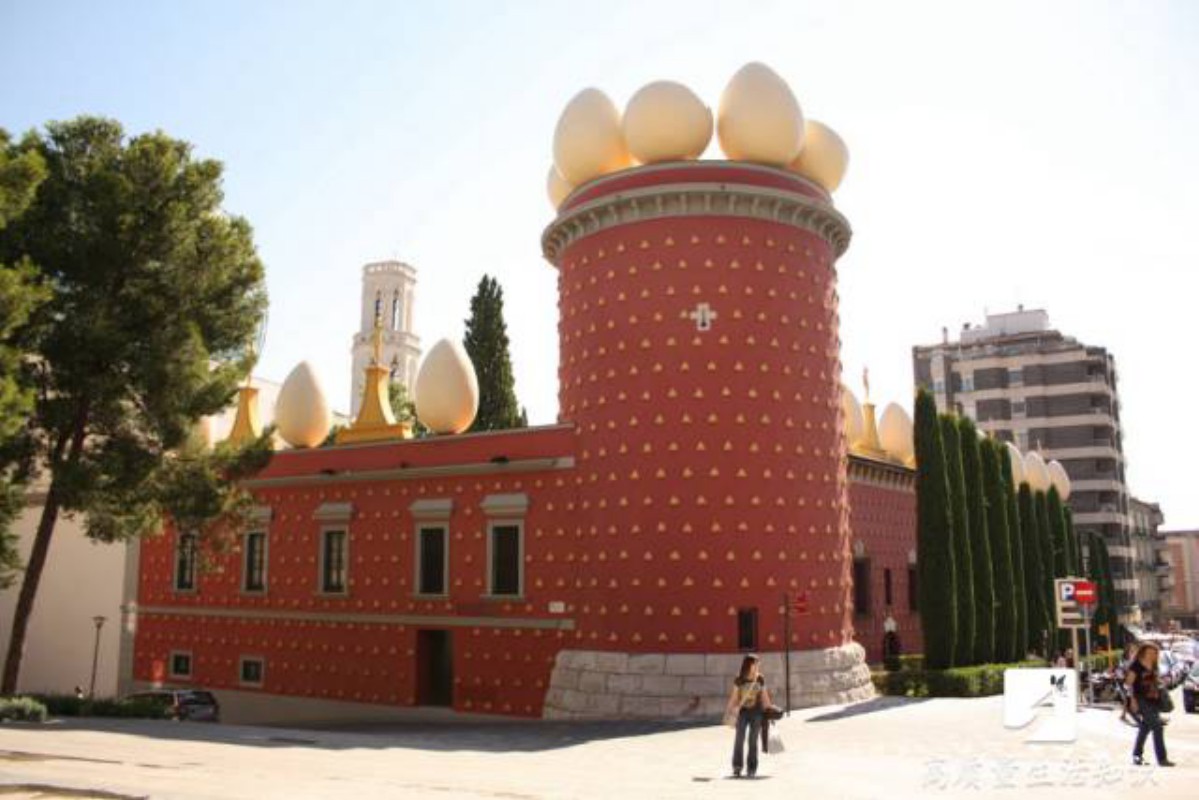
The Interwoven Influence of Moorish and Christian Styles
In the Middle Ages, Islamic architectural art in Andalusia merged uniquely with Christian Gothic style. The Alhambra Palace in Granada not only influenced the Spanish homeland but also inspired the popularity of Orientalism in other parts of Europe. This fusion enriched European architecture in both form and decorative techniques.
Comparative Table: Spanish Architecture vs. Other Representative European Styles
| Type of Architecture | Main Features |
|---|
| Spanish Mudéjar | Brick structures with geometric tile mosaics |
| French Gothic | Pointed arches and flying buttresses |
| Italian Renaissance | Symmetrical layouts and classical columns |
Gaudí and Modernism
By the late 19th and early 20th centuries, Spanish architect Antoni Gaudí pushed Catalan Modernism to its peak. His works, inspired by the free flow of curves and natural forms, not only transformed Barcelona’s urban landscape but also influenced modern architectural movements across Europe and worldwide.
The Continuation of Baroque and Classical Styles
During the height of European Baroque, Spanish Baroque architecture focused more on emotion and drama. The Royal Palace in Madrid and the Plaza Mayor in Salamanca, together with Spanish Style Architecture, all exhibit a grand and magnificent spatial experience. These works led to direct imitation and adaptation in Central and Southern Europe, helping Baroque style cross national borders.
How Contemporary Spanish Architecture Inspires Europe
Today, from the Contemporary Art Museum in Madrid to the Guggenheim in Bilbao, Spanish architecture continues to explore material innovation, spatial use, and cultural expression. Whether preserving historical heritage or introducing futuristic concepts, Spanish architecture consistently offers Spanish Gothic Architecturenew inspiration and ideas to European architectural culture.
