Overview of the Spanish Royal Academy of Architecture
Located in the heart of Madrid, the Spanish Royal Academy of Architecture is one of the most important institutions for art and architectural education in Spain. While many may associate it primarily with fine arts, it has also played a pivotal role in the history of architectural development. The academy has educated many renowned architects and holds an extensive collection of architectural drawings, models, and academic archives.
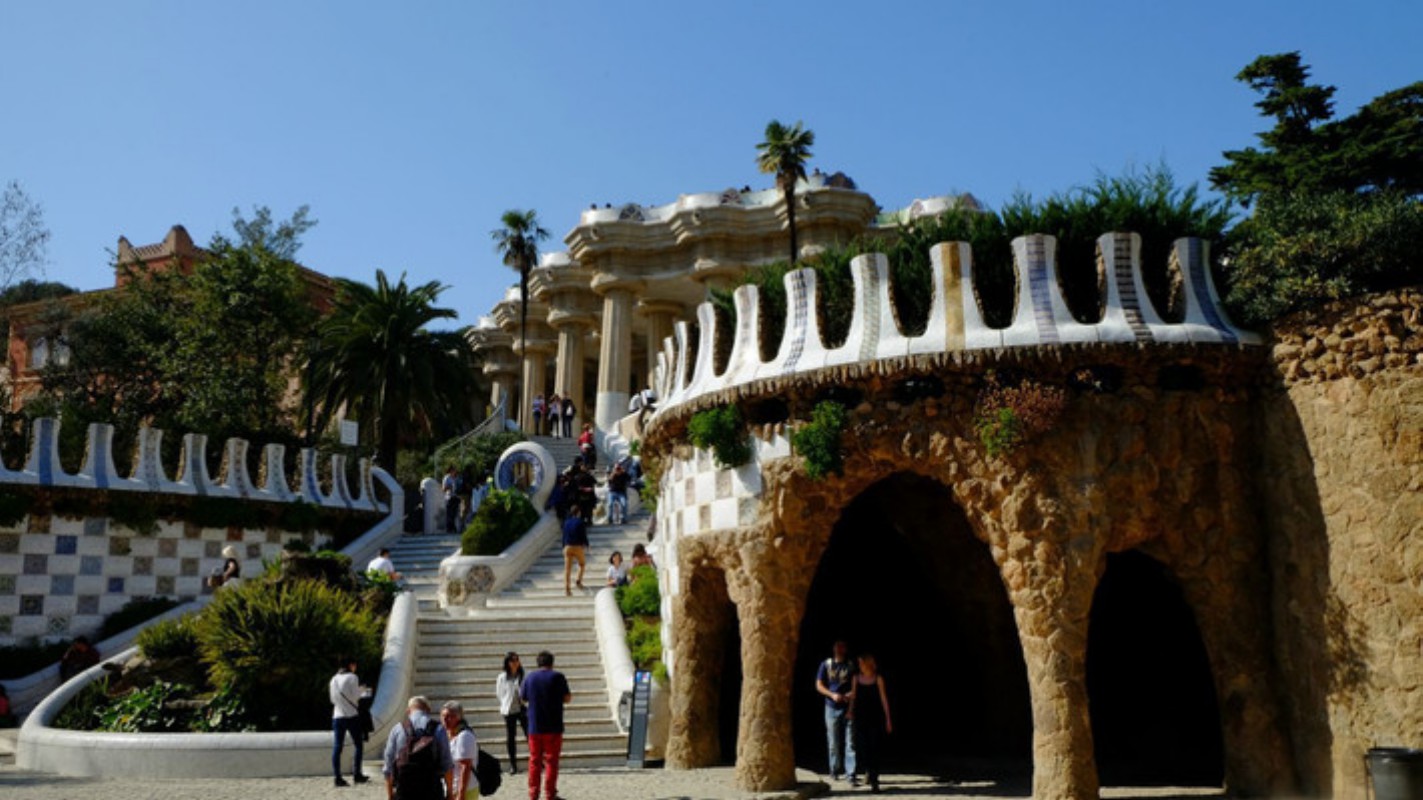
History and Background
The academy’s history dates back to the 18th century, during Spain’s cultural and artistic revival. Originally funded by the royal family, it was created to merge disciplines such as painting, sculpture, and architecture. In architectural education, the academy emphasizes a balance between theory and practice, encouraging students to participate in urban planning and public building projects. This interdisciplinary training model laid a solid foundation for the development of modern Spanish architecture.
Architectural Features and Collections
The academy’s building itself is an artistic masterpiece, with a façade blending Baroque and Neoclassical styles. Inside, numerous architectural manuscripts and historical models are displayed, showcasing the aesthetics of different historical periods and reflecting the trajectory of Spanish societal changes.
| Collection Type | Representative Works |
|---|
| Architectural drawings | Design drafts of the Madrid Royal Palace façade |
| Models and sculptures | Scale model of Toledo Cathedral |
| Books and archives | 18th-century architecture manuals |
If you are interested in architectural details, it is advisable to allow plenty of time for close examination.
Visitor Information
The academy is generally open to the public, and on regular days you can purchase tickets for self-guided tours. Students, teachers, and Spanish Royal Architectural Association professionals in architecture can often enjoy discounted ticket prices. Opening hours may be adjusted during holidays as indicated by Spanish Royal Architects, so it is best to confirm on the official website in advance. Flash photography is prohibited, and note-taking on certain valuable materials is restricted. It is recommended to bring a small notebook or tablet to jot down key points for easier reference later.
Tips and Insights
For architecture enthusiasts, the Spanish Royal Academy of Architecture offers not just a visual feast but also a valuable learning experience. During the visit, you can compare architectural designs from different eras to sense the evolution of Spain’s architectural culture. If time permits, consider attending their temporary exhibitions or thematic lectures to gain firsthand academic insights.
Some visitors have shared that the academy’s exterior lighting at night is stunning, providing a stark contrast to its daytime tranquility, making it an excellent spot for memorable photography. Whether you are a professional or a casual tourist, this place is worth a visit.
