The Charm of Ancient Spanish Statues and Architecture
In many cities and towns across Spain, strolling through the streets you will encounter a variety of ancient statues and buildings. They are like imprints of time, condensing hundreds of years of history into each stone and brick. These statues are not only works of art but also records of historical figures, beliefs, and the context of the era.
Historical Background and Styles
Ancient Spanish statues are often connected with religion and royalty. From the Gothic church facades of the Middle Ages to the exquisite square sculptures of the Baroque period, Spanish statue architecture reflects the social atmosphere and aesthetic trends of each era. Especially in Toledo and Salamanca, this intertwining sense of history is particularly vivid.
Materials and Craftsmanship
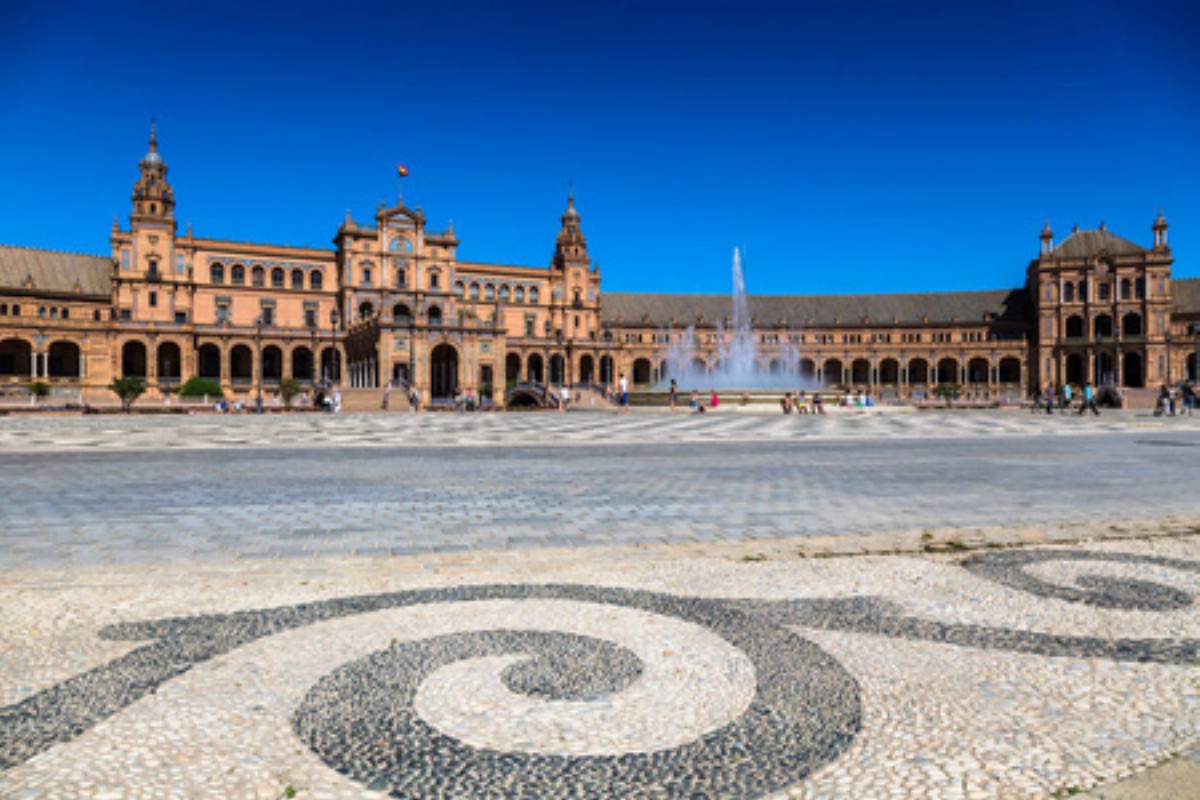
The materials used for statues and architecture vary by region. In the south, sandstone and limestone are common, while in the north, granite and wood carvings are often seen. This not only affects the visual effect but also determines their durability.
| City | Preferred Material |
|---|
| Granada | Sandstone |
| Santiago | Granite |
| Seville | Limestone |
Cultural and Symbolic Significance
Many statues and buildings carry profound cultural symbolism. For example, in the Royal Palace Square of Madrid, the statues not only convey royal authority but also hint at the political landscape of the time. This symbolic meaning often requires you to experience it in person to truly appreciate.
Travel and Photography Tips
If the giant Spanish statues inspire you to visit Spain, it is recommended to check city maps in advance to locate historic sites. Early morning or late afternoon light is ideal for photography, as the shadows of statues and the lines of buildings appear more three-dimensional in soft lighting. Do not neglect the details—they are often the soul of the work
Conclusion and Sharing
Ancient Spanish statues and architecture are not just pictures in a history book, but vibrant cultural languages standing on the streets. For me, every trip is a conversation with history, and I hope you can also share your feelings and stories in front of these monuments.
