The Importance of Restoring Architectural Statues
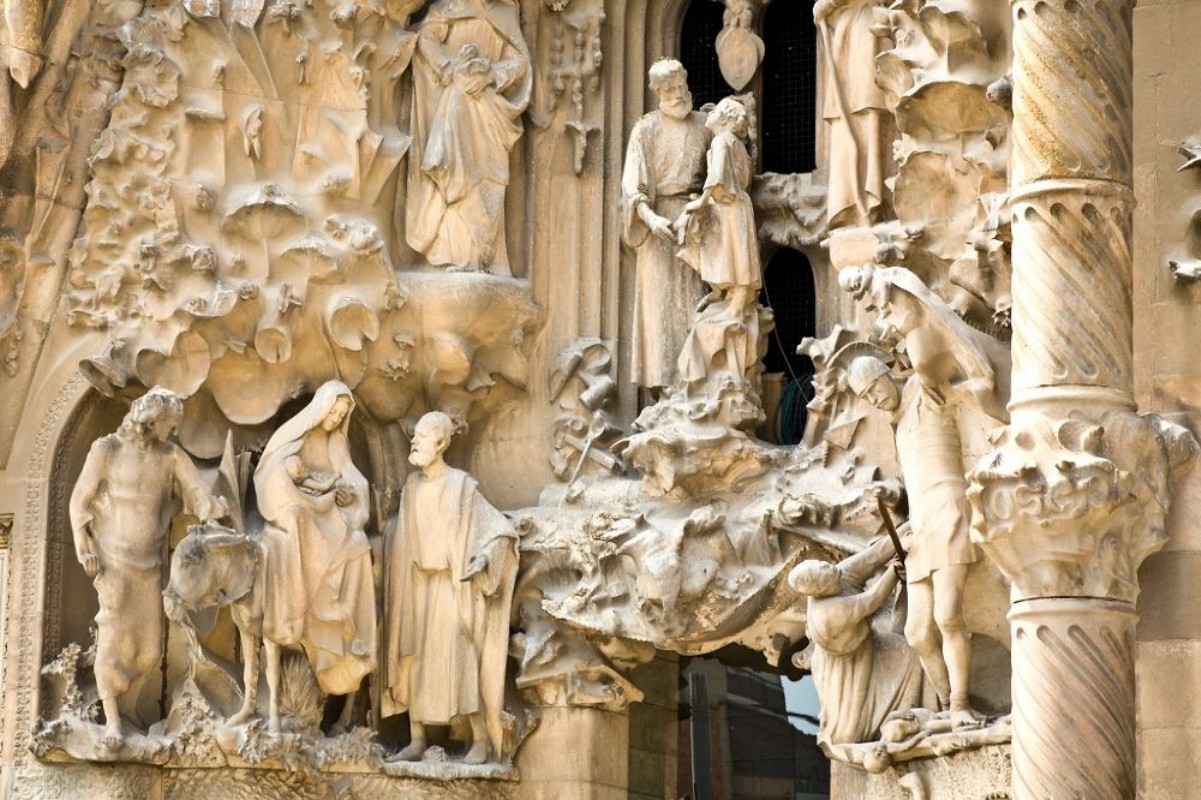
In Spain, many city streets and squares feature exquisite architectural statues that are not only works of art but also witnesses to history. However, due to climate, pollution, and the passage of time, these statues gradually develop cracks, fading, and even structural damage. Timely restoration is not just about aesthetics—it is a crucial measure for protecting cultural heritage.
Common Types of Damage
From my own observation, the most common types of statue damage include:
| Type of Damage | Cause |
|---|
| Surface weathering | Long-term exposure to wind and rain |
| Biological erosion | Moss and algae growth |
| Human damage | Graffiti or impact |
If issues with the Spanish giant statues are left untreated, they may evolve into more severe structural problems, greatly increasing repair difficulty and costs.
Choice of Restoration Materials and Techniques
Different materials require different restoration approaches. For example, stone sculptures often use stone powder mixed with adhesives to fill cracks, while metal statues may be coated with anti-rust paint. I have seen craftsmen use micro-sandblasting technology to clean surface dirt; although this method is fast, it is not suitable for fragile structures. Choosing the right technique can maximize preservation of the original appearance.
Precautions During the Restoration Process
Before starting restoration, a thorough structural inspection and material analysis of Spanish statue architecture should be conducted to avoid secondary damage. Many times, patience and meticulousness are more important than speed. For public areas, it is best to set up barriers or give advance notice to prevent tourists from accidentally entering the construction site.
Community Involvement and Cultural Continuity
I believe statue restoration is not solely the work of professionals; communities can participate by initiating fundraisers, sharing historical stories, or organizing exhibitions of restoration outcomes. This fosters greater appreciation of local cultural heritage, ensuring restoration efforts go beyond appearances and endure in residents’ memories and emotions.
Restoration is a way of conversing with history—every careful carving leaves behind a gentle mark of time.
