Historical Background of Moorish Architecture
Moorish architecture is a unique heritage left by Islamic culture after it arrived on the Iberian Peninsula during the Middle Ages, particularly evident throughout the Andalusia region. It is not only an architectural style but also the product of cultural and religious integration. From the 8th to the 15th century, the Moors integrated round arches, horseshoe arches, geometric patterns, and Arabic motifs into city layouts. These details gave Spanish architecture a distinctive and beautiful visual language.
The Moorish Heritage of Andalusia
In cities like Granada, Córdoba, and Seville, the influence of Moorish architecture on the urban fabric is especially clear. The most famous example is the Alhambra, with its magnificent courtyards, water channels, and intricate tile-covered walls that perfectly blend functionality with beauty. 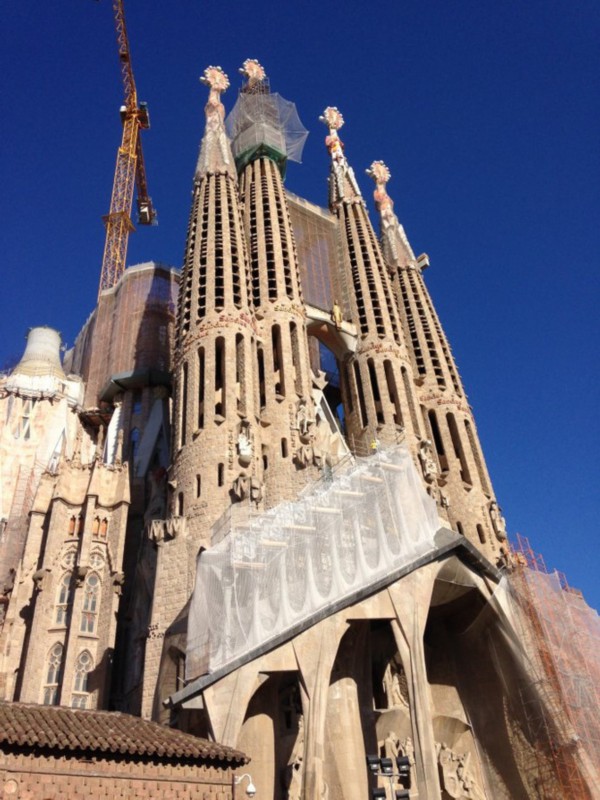 These elements not only preserve Islamic traditions but also merge with later Spanish Gothic and Baroque features.
The Fusion of Moorish and Spanish Traditional Architecture
When Christian kingdoms reoccupied southern lands, the existing Moorish architecture was not entirely destroyed but instead combined with new styles. For example, in some churches we can see Gothic structures embedded with Moorish patterns; this style is called Mudéjar, the product of two cultures coexisting peacefully.
| Architectural Element | Typical Style Fusion |
|---|
| Arch Forms | Combination of horseshoe and pointed arches |
| Decorative Details | Islamic geometry with Gothic carvings |
| Building Materials | Use of both tiles and stone |
Continuation and Innovation in Modern Spain
In contemporary Spain, the influence of Moorish architecture remains profound. Many modern architects, when designing parks, hotels, or residences, incorporate concepts such as mosaic tiles, arcades, and water features. This heritage is not only an aesthetic reference but also a form of cultural respect. In tourism and urban cultural promotion, these Moorish elements have become unique identity symbols.
Conclusion and Invitation to Discuss
The integration of Moorish and Spanish traditional architecture is a microcosm of Iberian history. It reflects the wisdom of cross-cultural exchange and provides inspiration for modern design. Have you noticed such fusion in daily life Moorish architecture in Spain? Feel free to share your observations and impressions in the comments.
