Introduction to Spanish Architectural Art
Learning Spanish architectural art is not just about mastering drawing and construction; more importantly, it is about understanding the culture and history behind it. Due to the Mediterranean environment and the blending of various civilizations, Spain has developed a unique architectural language. In both classroom and self-study settings, we should cover a variety of systems including Gothic, Baroque, and Moorish styles. This cross-cultural interplay makes every design full of inspiration.
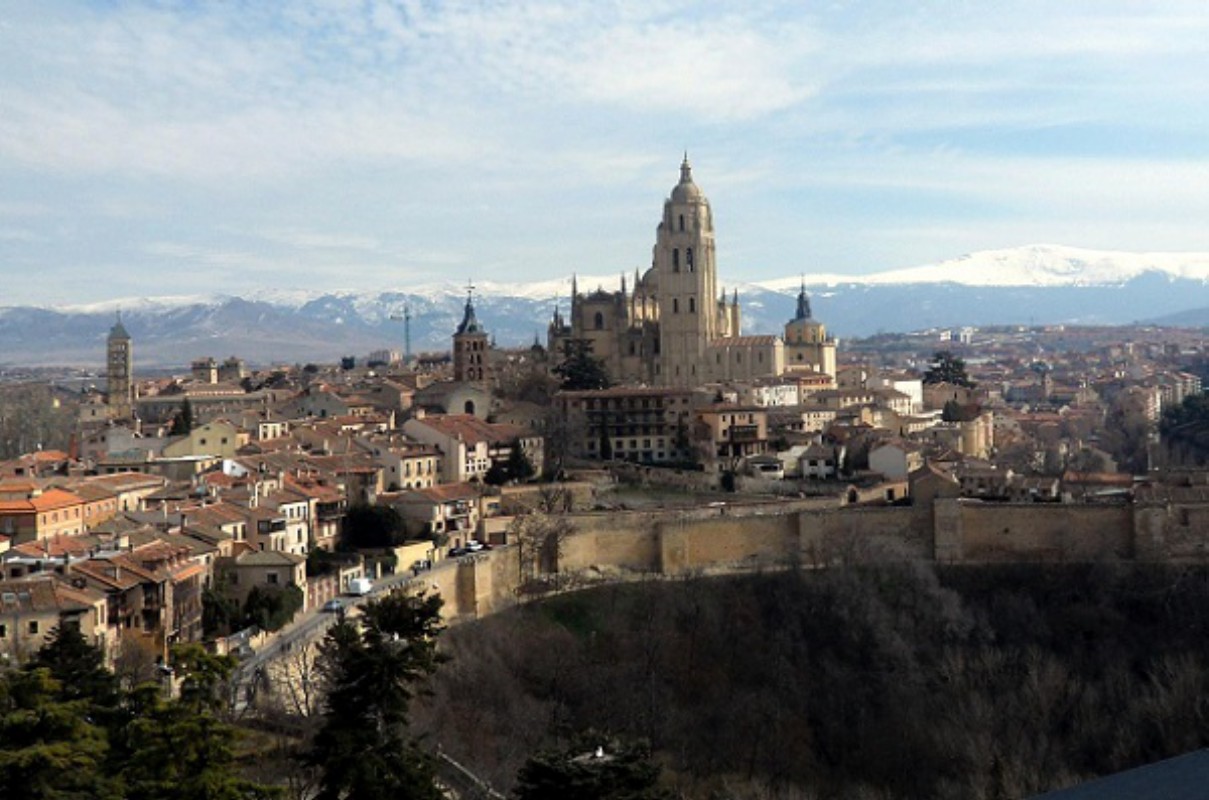
Teaching Objectives and Core
When creating an architectural art lesson plan, objectives can be divided into cultivating aesthetic sense, technical skills training, and cultural understanding: Aesthetic training emphasizes proportion and line control; technical skills focus on material knowledge and spatial presentation; on the cultural side, the introduction of Spanish history helps students understand that design is not only about form but also a continuation of stories.
| Style | Representative Work |
|---|
| Gothic | Barcelona Cathedral |
| Baroque | Royal Palace of Madrid |
| Moorish | Alhambra Palace |
| Modernism | Sagrada Família |
Suggested Course Structure
First stage: build a foundation with hand-drawing exercises, referencing proportional sketches of photos of typical Spanish architecture.
Second stage: introduce material samples and model-making to help students develop spatial awareness.
Third stage: cultural lectures, inviting designers who have participated in local architectural restoration projects to share their cases in [Spanish Fine Arts and Architecture].
This structure not only allows students to gradually improve their skills but also avoids gaps in knowledge.
Teaching Resources and Methods
It is recommended to combine online and offline approaches. Online, one can view virtual exhibitions of Spanish streetscapes and museums, while offline, students can engage in group design projects. For color coordination, analyze the mosaic patterns of the Alhambra to understand the relationship between geometry and color. Teamwork is an important way to enhance creativity.
Conclusion and Discussion Guidance
Spanish architectural art is not an isolated technique but a fusion of lifestyle and artistic spirit. Sharing sketches and insights in a forum can form a supportive learning community. Everyone can exchange feelings about different architectural details to find their own lines and colors in creation.
We look forward to more Spanish Architectural Art Masters sharing their study notes and works here, keeping this topic shining.
