Introduction
In many Spanish cities and towns, while strolling along the streets you will come across a highly distinctive type of building – the red house. Their warm red-toned facades, as seen in Spanish Red Forest Architecture, create a striking visual contrast against the blue sky and sunshine. They are both an embodiment of aesthetics and a miniature reflection of regional history and lifestyle. Whether it is the intense reds of Andalusia or the soft brick reds of Catalonia, they leave a deep impression.
History and Origins
The history of red houses dates back several centuries when locals used iron-rich clay to make bricks and tiles, coating the exterior walls with natural mineral pigments for protection. Traditional architects believed that this color was not only sun-resistant but also kept the home warm in winter. This design was common in Mudejar styles and Mediterranean homes. Walking into the old town, you will see how red houses have blended into the texture of the streets.
Materials and Craftsmanship
Most red houses in Spain use stone or clay bricks as their structure, covered with lime and natural red iron oxide pigments for moisture resistance and breathability. To ensure their homes remain beautiful for years, some residents repaint the exterior walls every few years.
| Material | Feature |
|---|
| Clay brick | Strong insulation, natural color |
| Lime coating | Moisture resistant, breathable, eco-friendly |
| Iron oxide pigment | Sun resistant, long-lasting color |
Culture and Lifestyle
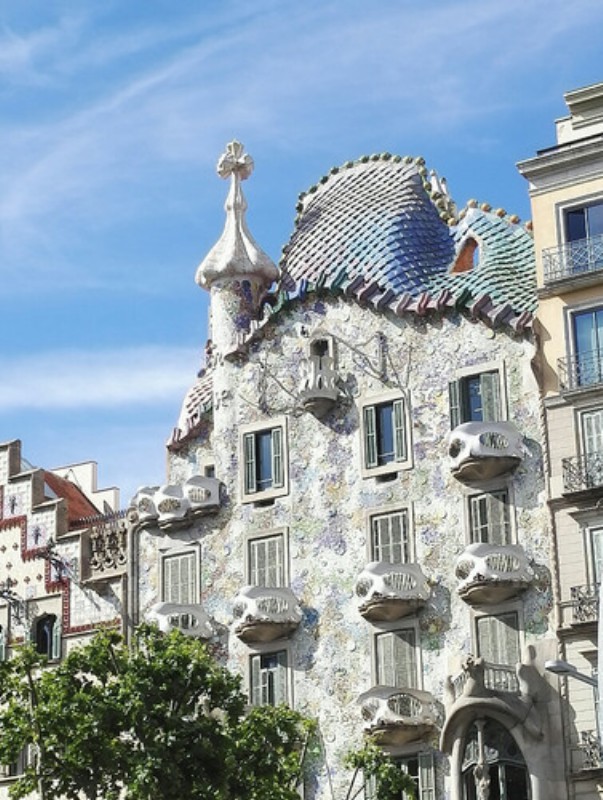
These red houses are more than just residences – they are part of the community culture. During festivals, Spanish Red Brick residents decorate the facades with flowers and flags, forming a lively contrast against the red background. Tourists often take photos, as the building colors appear differently in each season and lighting condition; whether in the soft morning light or the warm hues of evening, they showcase artistic beauty. Some say living in such a house is like being in a painting every day.
Modern Applications
Today, in newly built residences and guesthouses, designers still incorporate traditional red elements and combine them with modern glass and wood, creating spaces with both cultural depth and contemporary appeal. This combination has given red houses new life in the tourism market, with many guesthouses becoming popular social media photo spots.
Conclusion
Spain’s red houses are a perfect example of the fusion between architecture and lifestyle aesthetics. They not only carry forward history but also continue to evolve in modern design. If you have the chance to travel, Spanish Red Style Architecture take a moment to stop at a street corner and feel the warmth and stories these red houses bring.
