Overview of Graduate Architecture in Spain
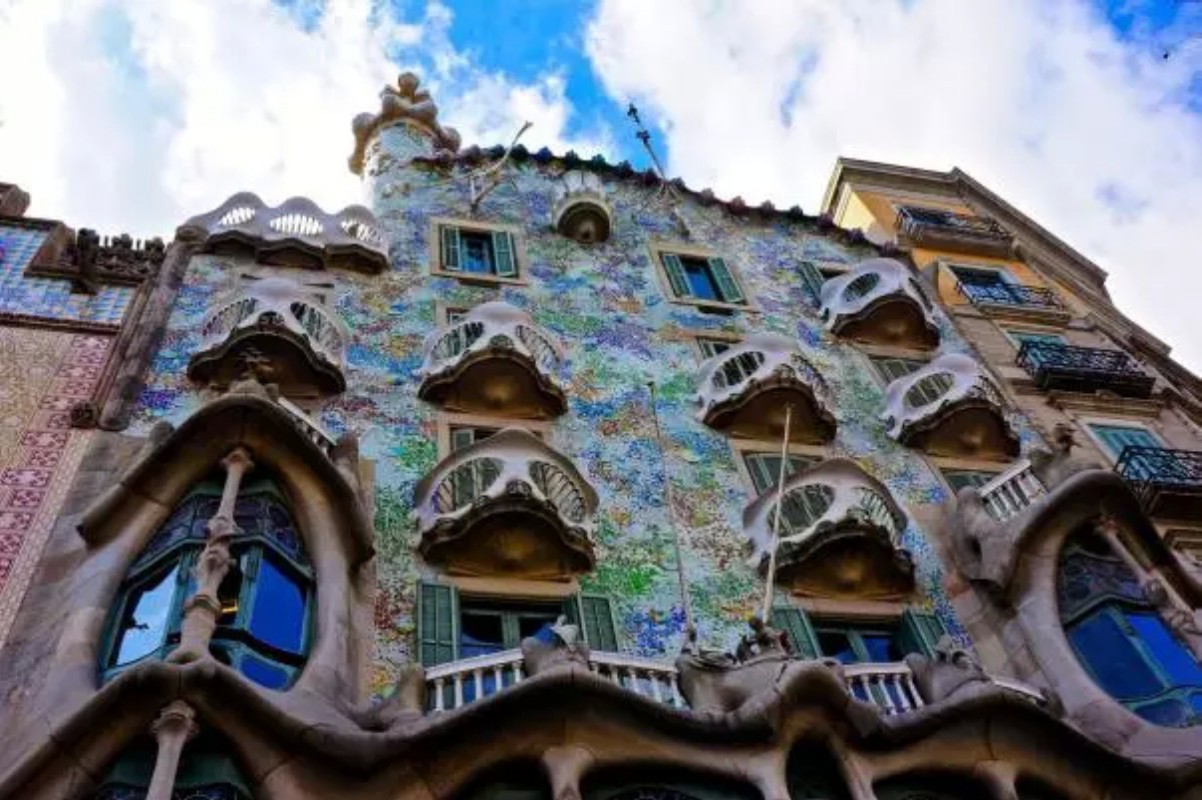
Pursuing a graduate degree in architecture in Spain is not only about advancing professional skills, but also immersing yourself in a rich cultural experience. Spanish architectural education emphasizes the integration of theory and practice, with many schools offering students the chance to participate in real design and renovation projects. Institutions such as the Technical University of Madrid and the Polytechnic University of Catalonia have internationally-oriented architecture faculties, attracting students from around the world.
Application and Language Requirements
Applying for a graduate program in architecture in Spain generally requires an undergraduate degree in architecture or a related field, along with transcripts, a portfolio, and recommendation letters. Some [Spanish architecture] schools offer courses in English, but most are still taught in Spanish, making language proficiency essential. Typically, a DELE B2 level or higher is required; if the Spanish architecture graduate program is taught in English, IELTS or TOEFL scores must be submitted.
| Requirement | Details |
|---|
| Language skills | Spanish B2 or English IELTS 6.5 |
| Academic background | Bachelor’s degree in architecture or related field |
| Portfolio | Show design skills and conceptual approach |
Curriculum Structure and Features
Graduate architecture programs in Spain cover topics such as urban planning, sustainable design, historical preservation, and modern technology. Many schools integrate local urban renewal projects, allowing students to gain experience through on-site research.
Beyond classroom learning, you may need to participate in field surveys and measurements of historic buildings organized by the faculty. These practical experiences are highly beneficial for future careers. During the design process, instructors guide students to find a balance between aesthetics and environmental sustainability.
Studying Abroad Lifestyle Experience
Studying architecture in Spain offers a relatively relaxed pace of life, though assignments and project demands are rigorous. Days can be spent photographing and taking measurements around the city, with nights devoted to working on design plans in the studio. Living costs vary by city—for example, Madrid and Barcelona are relatively expensive, while smaller cities like Salamanca are more affordable.
It is recommended to prepare your budget and housing arrangements in advance to avoid the housing shortage during the start of the academic term. With Spain’s diverse dining scene, occasionally enjoying TAPAS at a street-side eatery is a great way to relax from study pressures.
Employment and Career Prospects
After graduation, many students choose to work in Spain or other EU countries in fields such as architectural design, urban planning, or landscape design. Spain holds a strong position in sustainable architecture and historical preservation, which can enhance competitiveness in the job market. If you plan to return to your home country, you can also apply the design concepts and international experience to local projects.
Studying graduate-level architecture in Spain not only equips you with cutting-edge knowledge but also enriches cross-cultural communication and perspectives. Feel free to share your application experiences or course insights in forums to let more people discover the charm of this profession.
