The Monumental Essence of Spanish Architecture
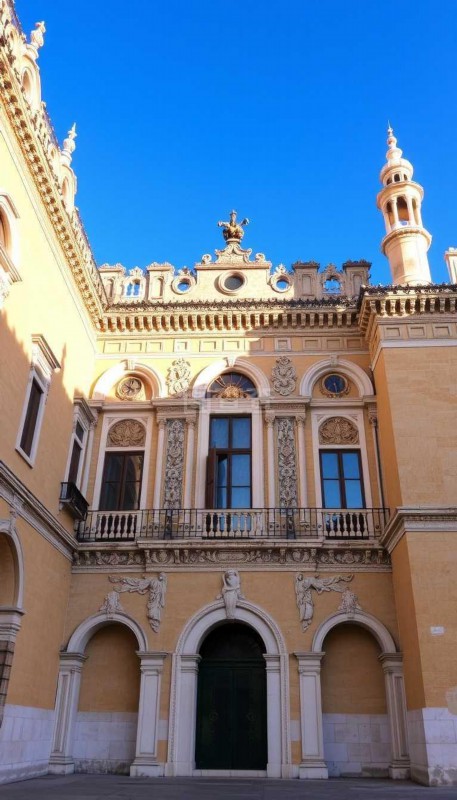
Walking through the streets of Spanish cities, it is easy to be surrounded by an solemn yet unique architectural ambiance. Whether in Madrid’s historic districts or Barcelona’s modernist boulevards, the buildings around you seem to tell stories through stone and color. Many of these structures are not merely spaces for living or working, but rather stand as monuments bearing the weight of history and the richness of cultural diversity.
Continuity of History and Diverse Styles
Spanish architecture blends Roman, Arab, Gothic, and Modernist influences. For example, the city of Toledo feels like an open-air history of architecture, from stone walls to exquisite mosques and churches, reflecting the aesthetics and beliefs of different eras. This interwoven style makes every street worth a slow and mindful walk.
Architecture and Urban Memory
In Seville, the famous Giralda Tower and the Royal Alcázar are not only must-visit attractions but also symbols of the city’s memory. They stand tall at the city center, witnessing dynastic changes and preserving the charm of bygone lifestyles. Each brick and stone tells a story from the past.
| City | Iconic Building |
|---|
| Barcelona | Sagrada Família |
| Madrid | Plaza Mayor |
| Granada | Alhambra Palace |
| Toledo | Alcázar Castle |
Gaudi’s Monumental Creations
In Barcelona, the most eye-catching works are those of Gaudi, such as the Sagrada Família and Casa Milà. His designs are full of curves and natural elements, bold yet poetic, turning architecture into art that touches the soul. This creative spirit gives his works a timeless, monument-like appeal.
The Continuation of Contemporary Architecture
In addition to the well-preserved heritage like the Spanish Monument Valley Architecture, Spain’s recent contemporary architecture has inherited a monument-like aura. Bilbao’s Guggenheim Museum, with its titanium-clad exterior and flowing curves, showcases to the world Spain’s architectural language in the modern age. Bold yet dignified, these buildings keep the city’s appearance charged with tension.
Within such an atmosphere, every Spanish city feels like an open history book, and every building stands as a monument quietly narrating its story.
