Sagrada Familia in Barcelona
The Sagrada Familia is an unfinished basilica designed by architectural genius Antoni Gaudí. Its distinctive shapes and intricate carvings draw visitors from all over the world. Blending Gothic and naturalistic styles, each facade narrates a different religious story. 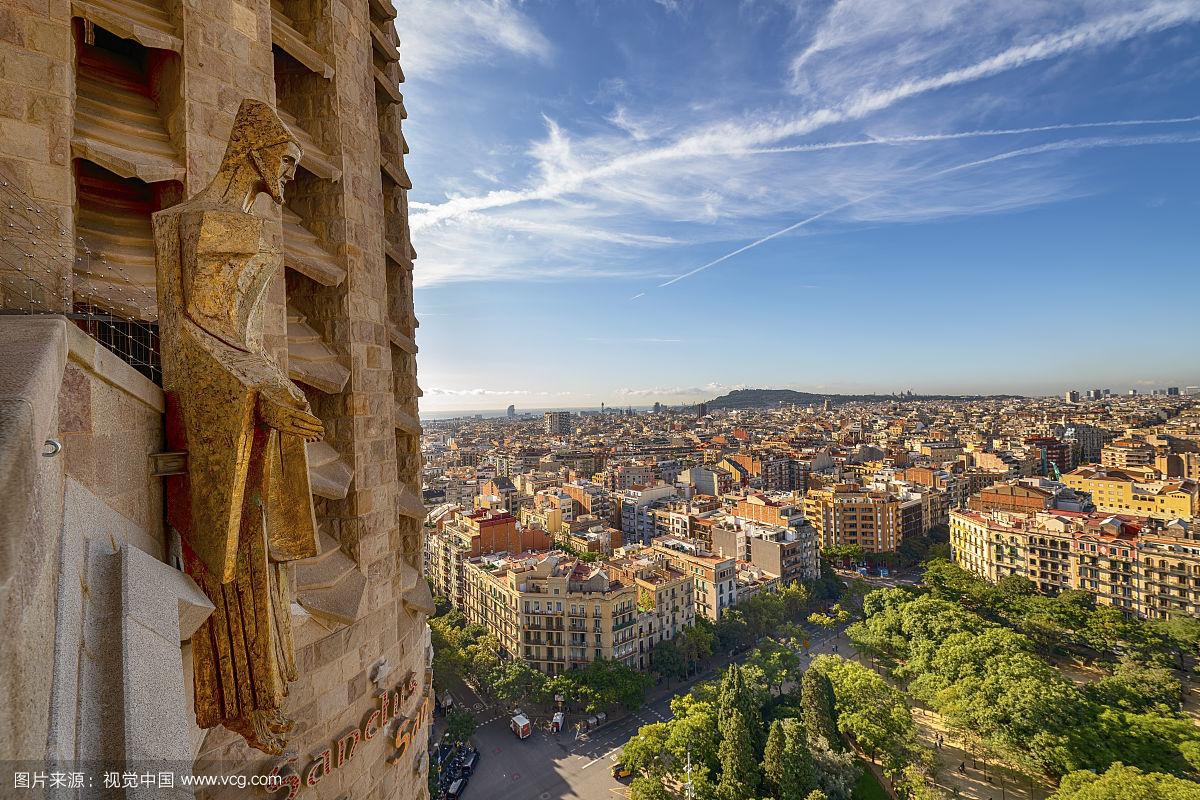
Alhambra in Granada
The Alhambra is a dazzling legacy left by the Moors in Spain, combining the intricate mosaics of Islamic architecture with the shifting Mediterranean light of Spain. Wandering through the courtyards, you’ll find tiles and water features weaving together an eternal scene, especially at dusk when tranquility and mystery are most profound.
Seville Cathedral and the Giralda Tower
Seville Cathedral is one of the largest Gothic churches in the world, standing alongside the Giralda Tower as a testament to the city’s rich history. As you ascend the tower, panoramic views of the city gradually unfold, offering a sensation of spatial transformation from low to high. Every stone has its story.
Comparative Table of Spanish Architectural Styles
| City | Architectural Style |
|---|
| Barcelona | Gothic + Art Nouveau |
| Granada | Islamic Moorish style |
| Seville | Gothic + Renaissance |
The Ancient Charm of Toledo
Toledo, the ancient capital in central Spain, showcases cultural imprints from Christianity, Islam, and Judaism through its Spanish architecture. Narrow alleys, stone houses, and towering churches of Spanish architecture make this city a living museum. Walking into Toledo feels like entering a time tunnel
Conclusion: Architecture as the Language of Culture
Spanish architecture is far more than a stack of stones—it embodies history, religion, and national spirit. Whether you stroll the streets of Barcelona or wander the courtyards of the Alhambra, you will deeply sense the diversity and beauty of this land. These structures are like open books, waiting for every passerby to read and understand.
