The Modernist Wonders of Barcelona
When it comes to Spanish architectural design, it is impossible to overlook the works of Gaudí. In Barcelona, the Sagrada Família and Casa Milà stand as icons of Modernism, where the fusion of curves and inspiration from nature is simply breathtaking. 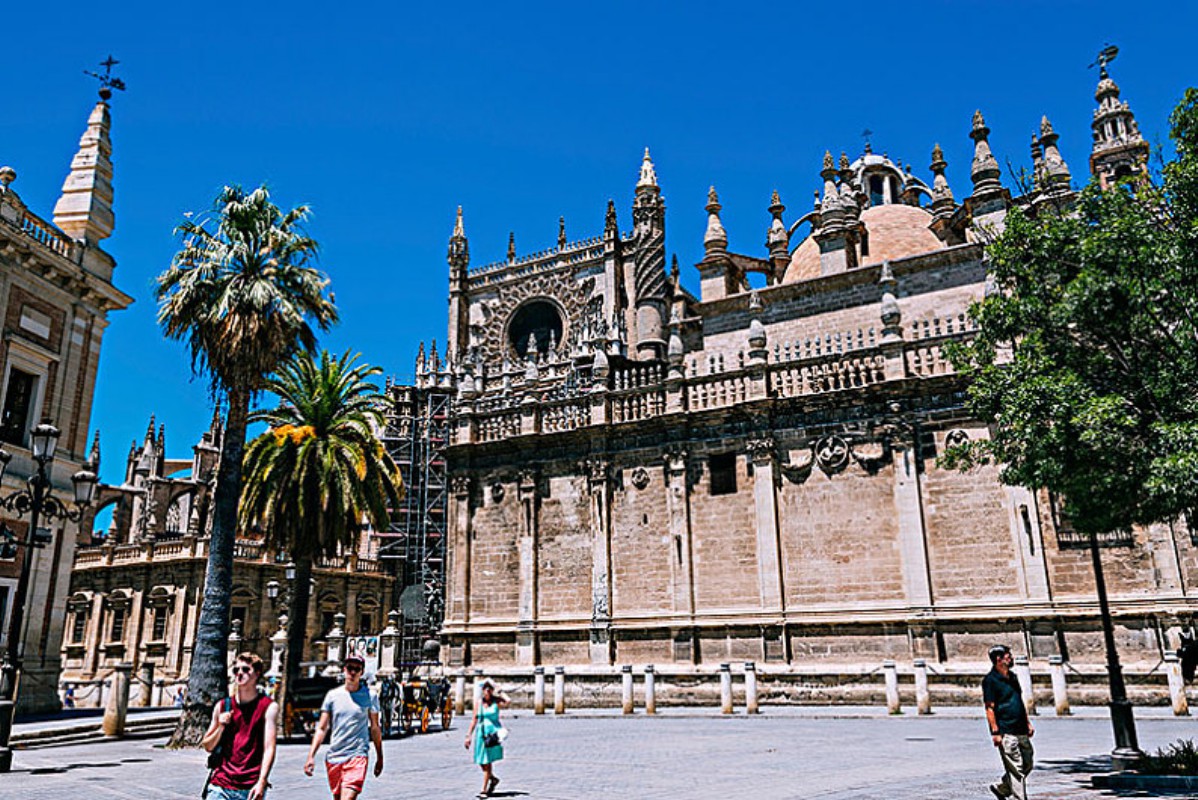 Walking along Passeig de Gràcia, you can truly sense the city’s unique spatial aesthetics.
The Moorish Charm of Andalusia
In southern Spain, Spanish architecture in Andalusia reflects a blending of Islamic and Christian cultures. The Alhambra Palace in Granada, with its intricate tile mosaics and arched courtyards, showcases the delicate elegance of Moorish style. Even with just a brief visit, you will be deeply captivated by this harmonious fusion.
Stone Houses and Sea Breeze in the North
Architecture in the Basque region feels more solid and pragmatic. Stone houses paired with heavy wooden beams protect against sea winds and humidity, while also conveying the local way of life.
| Region | Features |
|---|
| Barcelona | Gaudí Modernism, curves and natural inspiration |
| Andalusia | Moorish style, tiles and courtyards |
| Basque Country | Stone houses and wooden beams, marine atmosphere |
The Link Between Architecture and Urban Life
Spanish architecture is far more than a visual delight; it is closely intertwined with urban life and culture. Every street’s layout and the colors of the buildings are deeply connected to the lifestyle of the residents. For example, in a southern town, whitewashed walls are not only beautiful but also effectively reduce summer heat load.
Blending Modern and Traditional
In recent years, many Spanish architects have begun incorporating modern materials and sustainable concepts into traditional elements. For instance, in some emerging neighborhoods in Madrid, glass curtain walls are combined with traditional stonework, achieving a blend of tradition and modernity. Such spaces are not only pleasant to live in but also reflect a balance between environmental responsibility and aesthetics.
