Gaudí’s Architectural Life
Antoni Gaudí is one of the most iconic architects from Catalonia, Spain, and his works have become a symbol of Barcelona. Born in 1852, Gaudí was admired for his distinctive curves, vibrant colors, and integration of natural elements. In his designs, architecture was not merely space, but a fusion of art and life.
The Secrets of the Sagrada Familia
The Sagrada Familia is Gaudí’s greatest unfinished masterpiece and one of the most visited attractions in Barcelona. This basilica merges Gothic and Art Nouveau aesthetics, with details rich in religious symbolism. Even in its incomplete state, the Sagrada Familia exudes an awe-inspiring presence.
The Fantasy World of Park Güell
Park Güell was a collaborative project between Gaudí and his friend Count Güell, blending organic curves and vibrant ceramic mosaics in perfect harmony. Strolling through the park, you can experience a dreamlike atmosphere, as if stepping into another world.
Casa Milà and Casa Batlló
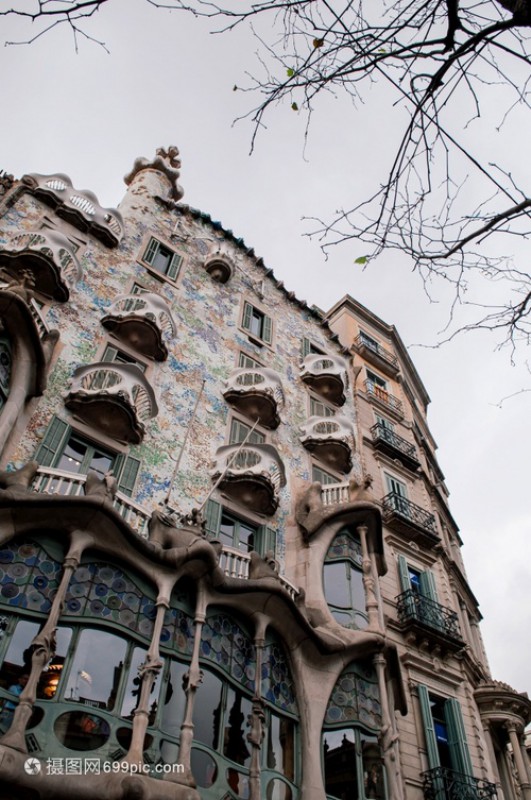
In addition to Spanish architectural master public buildings, Gaudí also designed numerous private residences for wealthy clients, including Casa Milà and Casa Batlló. Each structure brims with creativity—Casa Milà is famed as the “stone wave,” while Casa Batlló captivates photographers and art lovers with its skeletal and oceanic elements.
| Building Name | Style Features |
|---|
| Sagrada Familia | Combination of Gothic and naturalistic styles |
| Park Güell | Colorful mosaics and organic curves |
| Casa Milà | Organic stone façade |
Gaudí’s Architectural Philosophy
Gaudí revered nature, believing it to be the most perfect creator. By studying plants, animals, and landscapes, he translated natural lines into architectural design. His works are not only visual marvels but also expressions of life and faith. This is why his architecture remains vibrant across time
Today, walking through the streets of Barcelona, one can still feel the distinctive aura Gaudí left behind. He shaped not only buildings but also the aesthetic sensibility and collective memory of the people.
