Who Is Spain’s Architectural Goddess
In Spain’s architectural circles, the term “Architectural Goddess” is not an official title, but rather an affectionate nickname from the public for a particularly talented female architect. In cities like Madrid and Barcelona, her works frequently appear in local magazines, and even travel guides such as the Architectural Goddess Sculpture specifically recommend her designs.
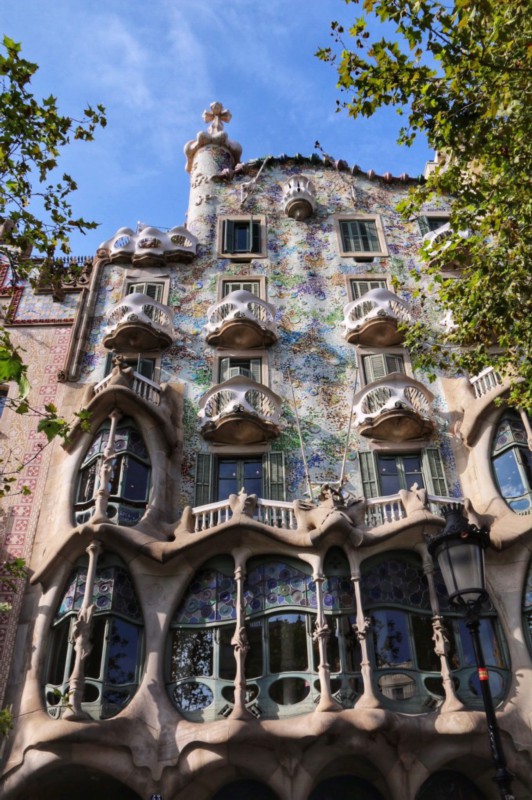
Inspiration and Background
She was born into a family of architects and has had a keen sensitivity to space and light since childhood. Influenced by Spain’s diverse cultures, her designs blend the romantic curves of Andalusia with the vibrant colors of Catalonia. Although in her early career she faced criticism for straying from traditional aesthetics, today her works have become a part of the urban landscape, and locals affectionately call her the Architectural Goddess.
Representative Works
In the cultural center she designed in Seville, she incorporated traditional ceramic elements combined with modern materials, creating a unique visual effect. In a new residential district in Barcelona, she introduced green roofs and vertical gardens, improving residents’ quality of life.
| City | Representative Architecture |
|---|
| Madrid | Museum of Light and Shadow |
| Barcelona | Sea Breeze Apartments |
| Seville | Riverside Cultural Center |
Impact on Daily Life
These buildings are not only aesthetic expressions but also transform people’s lifestyles. For example, her public space designs encourage neighborly interaction, and the open corridors allow children to play safely — a refreshing experience in many traditional neighborhoods. Her philosophy emphasizes interaction between humans and nature, a vision that is especially important in the context of current environmental trends.
How to Experience Her Work
If the Architectural Goddess Statue you ever have the chance to visit Spain, consider stepping inside the buildings she designed. Sit in the café area of Madrid’s Museum of Light and Shadow to experience how sunlight changes as it filters through geometric glass panels; or stroll along the riverbank in Seville, listening to street musicians outside the cultural center. When you explore these spaces on foot, you will understand why she is known as the “Architectural Goddess.”
Feel free to share your encounters with beautiful architecture in Spain — you might have unexpectedly come across one of this goddess’s creations.
