Architectural Exploration of the Picasso Museum in Malaga
Located in Andalusia, the Picasso Museum in Malaga is not only a place to admire artworks but also a cultural landmark whose building itself tells many stories. The museum is housed in the Buenavista Palace in the city’s historic center, a structure that blends Renaissance and Mudejar styles, immediately immersing visitors in a rich historical atmosphere. 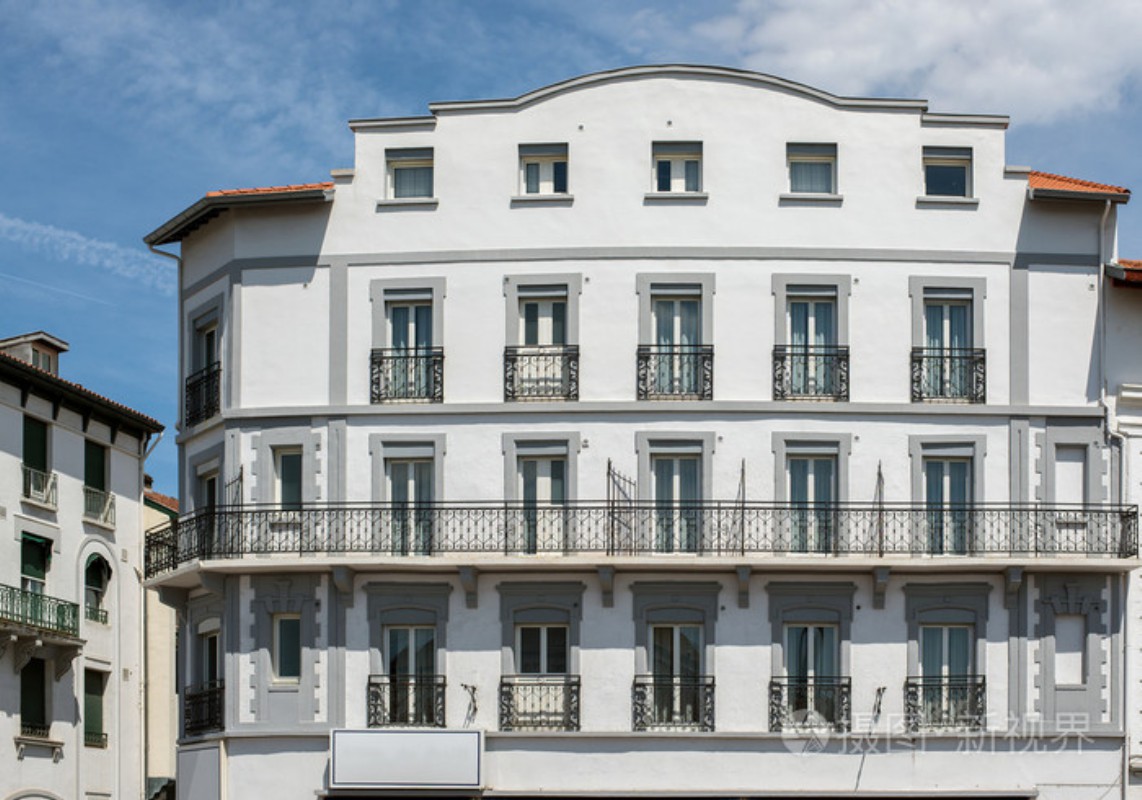
Historical Background and Architectural Evolution
Originally a prominent 15th-century residence, the Buenavista Palace underwent numerous renovations and changes of use before it ultimately became the home of the Picasso Museum in 2003. The façade preserves ancient stonework and carved details, while the interior was modernized to provide better lighting and flow for exhibition spaces. Notably, the Mudejar decoration retained in ceilings and window frames strikes a balance between modernity and classicism.
Spatial Layout and Design Features
Upon entering the museum, visitors pass through a tranquil courtyard surrounded by arcades, with a simple landscape at its center that calms the mind. The layout of the exhibition halls follows a naturally flowing route, allowing visitors to progress gradually according to thematic sections, deepening their experience of the Spanish Soul Museum. Upstairs galleries enjoy abundant natural light, and some floors are made of glass, revealing details of the original ground level below.
| Area | Feature |
|---|
| Main Hall | Displays Picasso’s works from different periods |
| Temporary Exhibitions Hall | Hosts joint exhibitions of contemporary artists |
| Courtyard | Traditional Andalusian style |
Materials and Craftsmanship
The restoration made extensive use of local limestone and timber, materials that not only maintain the original style but are also easy to preserve. Wooden beams and doors continue to be crafted by hand, conveying a simple yet refined beauty. Stone carving details appear particularly vivid in sunlight, and close inspection often reveals hidden coats of arms and symbols.
Visiting Tips
If planning a visit, mornings or late afternoons are recommended to avoid crowds. In addition to permanent exhibits, the museum regularly curates temporary shows that interact with the building’s unique spatial qualities. Taking a moment to rest in the courtyard and absorb the history embedded in its walls is an experience unique to this museum.
Conclusion
The Picasso Museum not only offers close contact with the master’s works but also, through its architecture, presents the fusion of diverse cultures in southern Spain. Whether you are drawn to painting or architecture, this is a place well worth exploring.
