The Urban Charm of Madrid’s Gran Vía
Gran Vía is considered one of Madrid’s most iconic streets, with construction starting in 1910. Here, you can find a blend of [ i ]Art Nouveau style, eclecticism, and American commercial architecture. Walking along Gran Vía, you can enjoy elegant century-old theatres as well as modern shopping centres and cafes.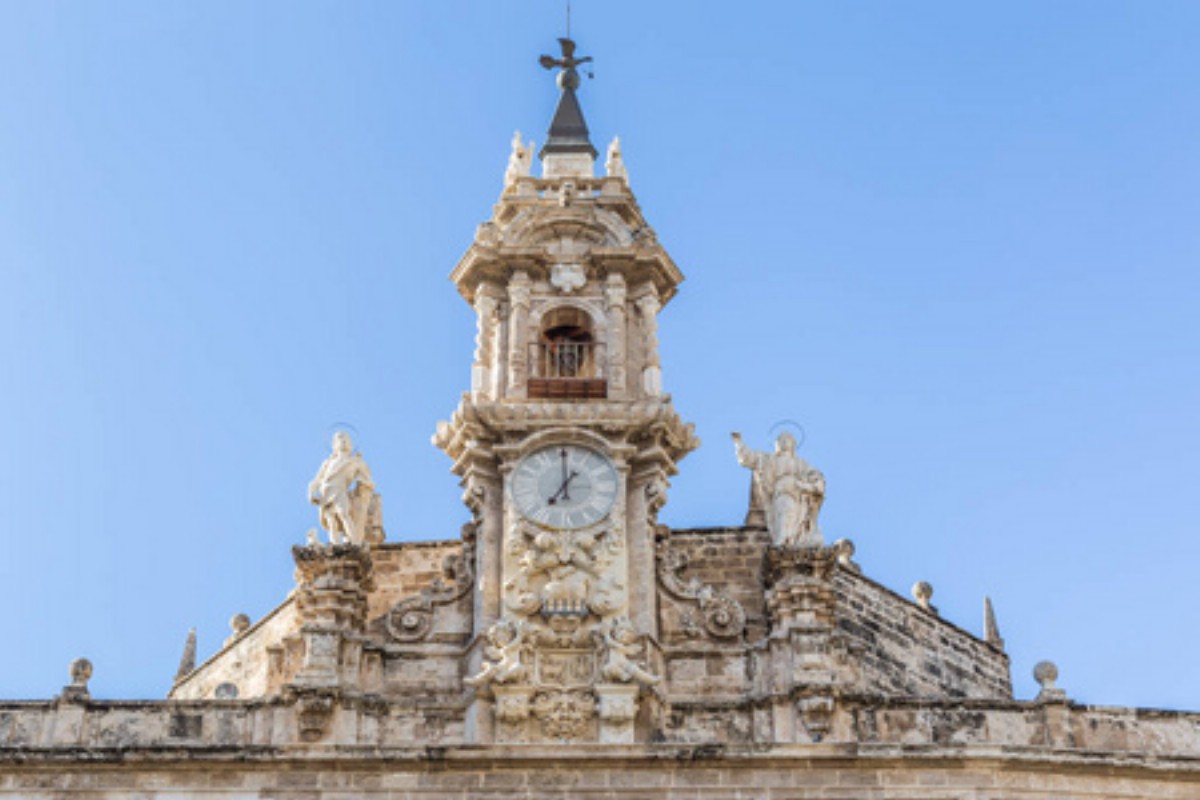
Barcelona’s Passeig de Gràcia
As the high-end boulevard of Catalonia’s capital, Passeig de Gràcia is not only a shopping paradise but also a haven for architecture enthusiasts. Gaudí’s [ color=blue ]Casa Batlló and La Pedrera stand here, with rows of Art Nouveau mansions lining both sides of the street. Every step reveals Barcelona’s unique cultural depth.
Seville’s Avenida de la Constitución
Seville’s Avenida de la Constitución links the heart of the city—the Cathedral and the Torre del Oro. Along the way, the buildings often feature a [ size=18 ]mix of Renaissance and Gothic styles, while small cafes and bustling street scenes allow visitors to experience the laid-back Andalusian lifestyle.
| Boulevard Name | City |
|---|
| Gran Vía | Madrid |
| Passeig de Gràcia | Barcelona |
| Avenida de la Constitución | Seville |
Valencia’s Colon Boulevard
Valencia’s Colon Boulevard is where commerce and culture meet, with the Spanish boulevard architecture hosting numerous brand stores, restaurants, and cultural centres. The wide streets are perfect for walking, while the surrounding modern buildings and historic landmarks create a striking contrast that showcases Valencia’s diverse character.
Summary & Discussion
Spain’s boulevards are not just traffic arteries; they serve as showcases of culture and architecture. Whether it’s the urban vibe of Madrid, the creativity of Barcelona, or the diverse charm of Seville and Valencia, each is worth leisurely exploring. Do you have other recommendations of Spanish boulevards or special architectural stories? Feel free to share your experiences below.
