The Art of Colorful Tiles in Spanish Architecture
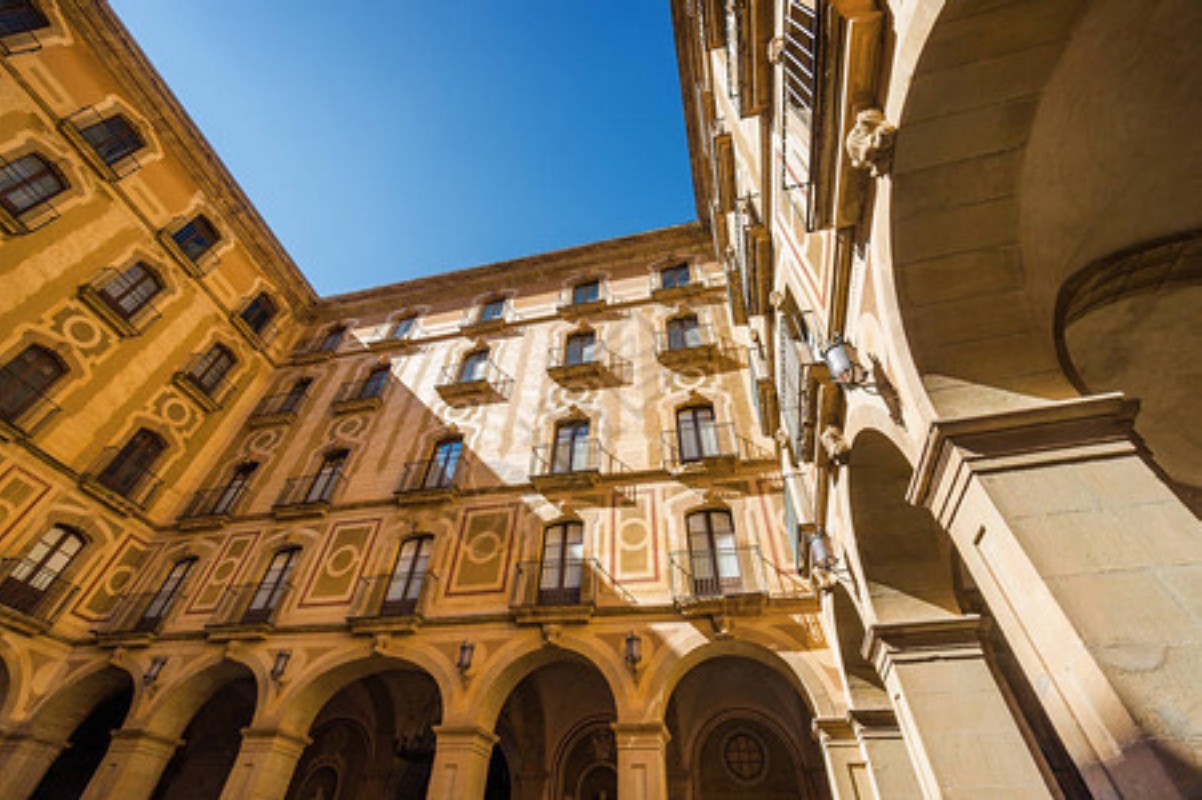
The beauty of Spanish architecture is often breathtaking, and one of its most captivating elements is the colorful tilework, locally known as Azulejos. This decorative craft is not only part of architectural aesthetics but also a cultural heritage that spans centuries. Its visual impact and warm atmosphere make many neighborhoods and courtyards shimmer with unique charm in the sunlight.
Origins and History
Colorful tiles in Spain date back to the Moorish period. Artisans of the time merged pottery traditions from North Africa and the Middle East with local materials, creating artworks characterized by bold geometric patterns and botanical motifs. Especially in the Andalusia region, many medieval buildings still preserve their original tiles, bearing witness to the cultural exchange between East and West.
Styles and Features
These tiles are typically crafted using a high-temperature glaze firing technique, ensuring colors that last without fading. Common hues include blue, green, yellow, and white, arranged into intricate geometric designs or narrative murals. Some patterns even require dozens of individual tiles to complete a single composition. Such refined craftsmanship remains highly sought after by many contemporary designers.
Common Uses
Colorful tiles in Spanish architecture are widely applied, from exterior walls, courtyards, and staircases to kitchens and bathrooms. Particularly in public urban spaces, such as square benches and fountain facades, colorful tiles not only beautify the surroundings but also give each space a strong local identity.
| Use | Feature |
|---|
| Exterior walls | Sun and rain protection, aesthetic enhancement |
| Courtyards | Creates a cozy atmosphere |
| Kitchens | Easy to clean and fire-resistant |
Combining Modern and Traditional
Today, many architects strive to blend traditional colorful tiles with modern materials, producing works that convey vintage charm while appealing to contemporary tastes. This cross-era design not only lends new buildings a sense of narrative but also allows ancient craftsmanship to shine in the present.
If you have a chance to stroll through the old quarters of Seville or Granada in the Spanish Colorful Towns, take note of the architectural details—at any corner you might encounter an enchanting wall of colorful tiles.
