Sketching Spanish Village Architecture and Observing Details
In many small and medium-sized towns and rural areas across Spain, winding streets and weathered stone walls exude a strong sense of history. Sketching these village buildings is not only an act of artistic creation but also a meaningful way to observe and record culture.
Choosing Building Materials
Spanish village architecture commonly uses local stone, wooden beams, and terracotta tiles. Stone walls often appear in shades of gray-white or warm tones, while wooden doors are typically dark, gaining unique character through age and weathering. Capturing the texture of these materials can be achieved on paper by using short, crisp lines to express the grainy feel of stone blocks, and soft shading to depict the wood’s texture. 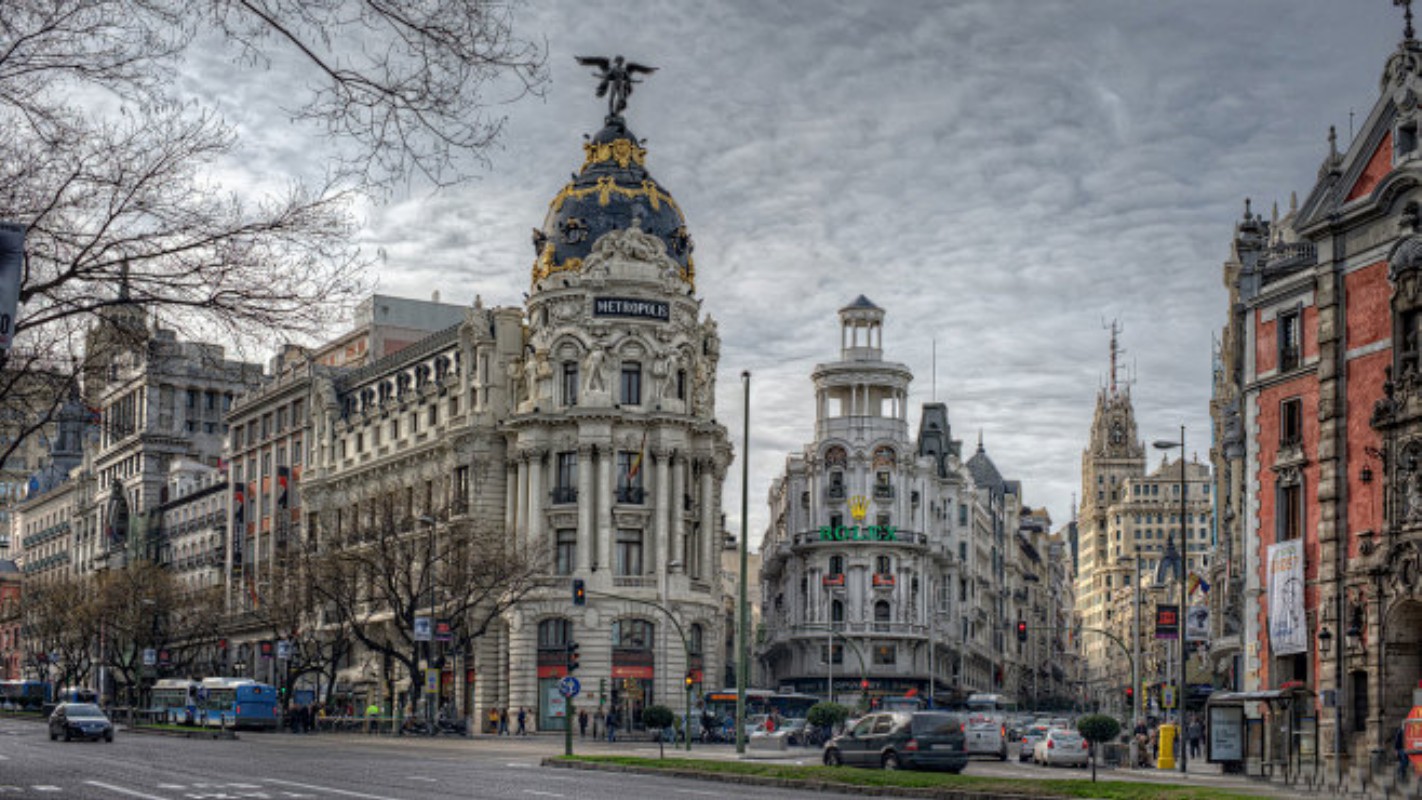
Light, Shadow, and Time
These buildings are often built along hillsides, with noticeable changes in sunlight throughout the day. Morning light is gentle, ideal for portraying the tranquil atmosphere; midday light is strong, making it possible to clearly define shadow divisions. Paying attention to the direction of light and shadow when sketching helps enhance spatial depth in your composition. Adding details within shadows can give your artwork more layers.
Table of Common Architectural Elements
| Element | Characteristics |
|---|
| Stone walls | Gray-white or warm colors, block arrangement |
| Wooden doors | Dark, often with ironwork decorations |
| Terracotta roofs | Reddish-brown, layered in curves |
Incorporating Cultural Symbols
Spanish villages often feature small plazas, drinking fountains, and religious statues, all significant subjects for sketching. Buildings surrounding a plaza are usually two floors high, with balconies and flowerpots. Fountain carvings and the glint of flowing water can be represented with fine lines and dotted highlights.
Practical Tips
When sketching in villages, start with pencil to lightly trace structural lines, then use ink pens to reinforce details. Take photos of key scenes in advance to help refine your work afterward. Be mindful to respect residents’ privacy—do not enter private dwellings for photography or sketching without permission. Through engaging in Spanish Architectural Sketching and interacting with locals, you can uncover more stories behind Spanish Architectural Sketching, which will imbue your sketches with greater emotional warmth.
Sketching is not merely an artistic exercise; it’s also a journey immersed in the everyday life of the Spanish countryside.
