The History and Modern Strength of Spanish Architecture
Spain’s place in the global architectural scene has always been significant. From amphitheaters left behind from the Roman era, to the delicate Islamic buildings of the Moorish period, and on to Gothic cathedrals and cutting-edge modern designs, this land has nurtured a richly diverse range of architectural styles. This multicultural backdrop forms the foundation of Spain’s unique architectural strength.
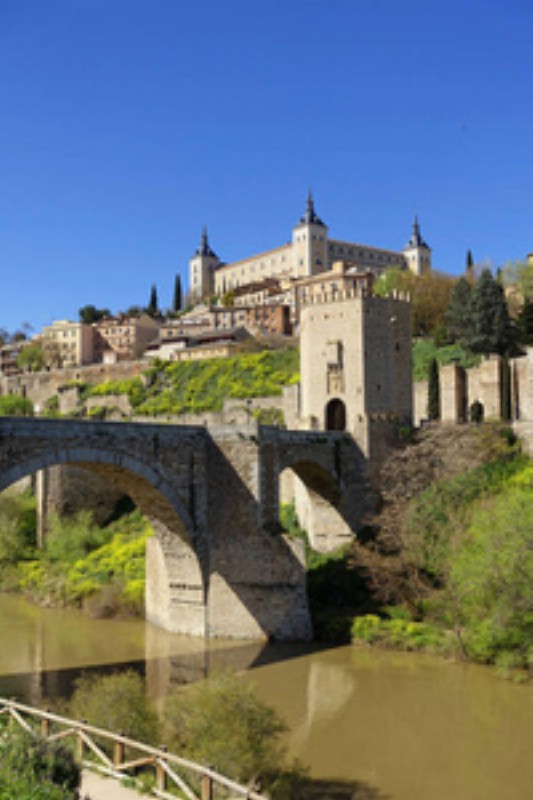
Classical and Religious Architecture
Spain’s ancient architecture is mainly reflected in religious buildings and defensive structures. Churches in cities like Toledo and Seville blend artistic elements from different cultures. The Toledo Cathedral, in particular, is renowned for its exquisite carvings and towering spire. These works not only showcase the exceptional craftsmanship of builders but also demonstrate the deep integration of social and religious life.
Modern Architecture and Technological Innovation
Entering the 20th century, Spanish architects began to display new creativity on the world stage. Antoni Gaudí’s Sagrada Familia, with its unique organic curves, transformed perceptions of religious architecture, while some modern firms achieved breakthroughs in sustainable building practices. Cases combining renewable energy with architectural design are increasingly found in Barcelona and Madrid, reflecting the fusion of environmental consciousness and technology.
Comparison of Construction and Design
| Style Type | Representative City |
|---|
| Gothic | Barcelona |
| Islamic style | Granada |
| Modern sustainable design | Madrid |
International Influence
In the international market, Spanish construction companies often undertake large-scale projects, with developments from Latin America to the Middle East. This wealth of experience provides Spain with strong advantages in architectural management and quality control. However, influenced by economic cycles, the domestic construction industry has also experienced fluctuations, requiring designers and engineers to continually adapt their strategies.
Conclusion and Discussion
Spain’s architectural strength is a combination of historical accumulation and modern innovation. Compared with other European countries, its multicultural influences make its architecture more inclusive and distinctive. Whether you are an enthusiast or a professional, you can find inspiration in Spanish architecture. Do you think the future of Spanish architecture will focus more on Spanish architectural strength rankings through technological advancement or by returning to traditional forms? Feel free to reply below and share your thoughts.
