The Unique Architectural Charm of Barcelona
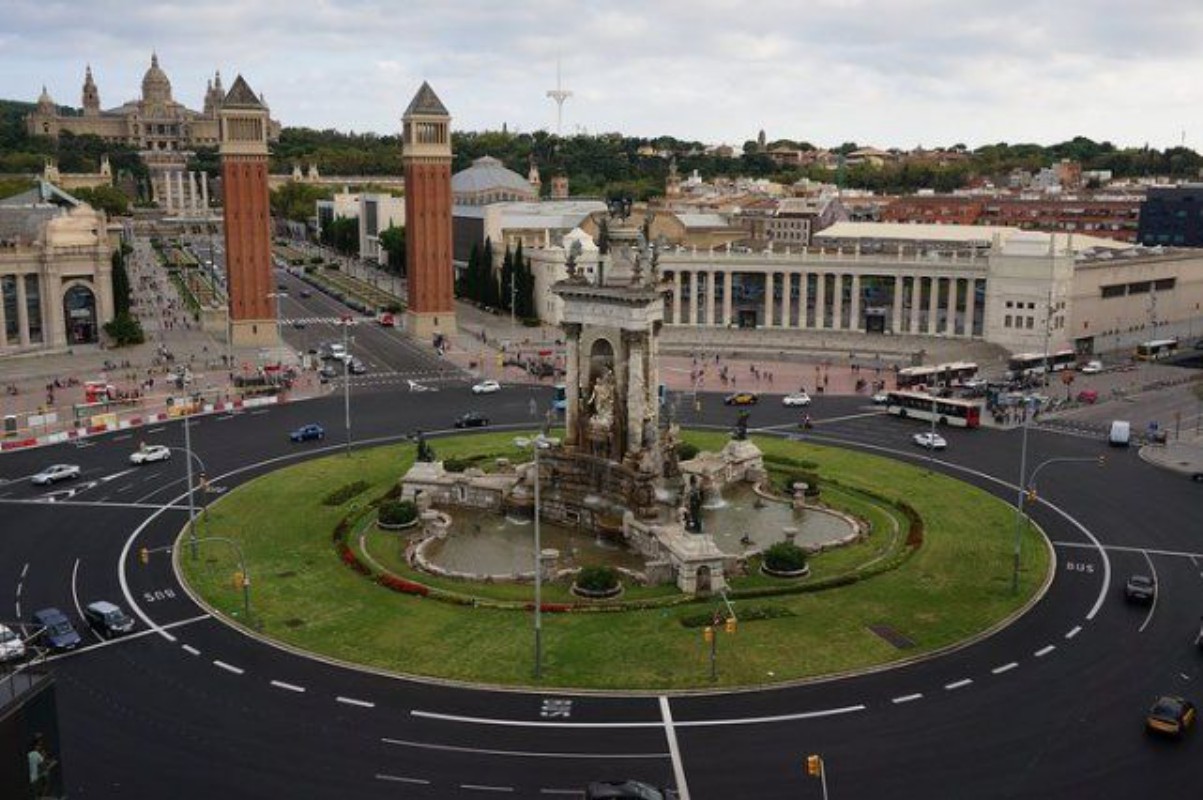
When talking about Spanish architecture, many immediately think of Gaudí in Barcelona. The towering spires and intricate carvings of the Sagrada Família make anyone who gazes upward involuntarily hold their breath. This creativity is not just a building, but a vibrant spirit that defines the city. Walking through Barcelona’s narrow alleys, you encounter a magical blend of colors and curves everywhere.
The Moorish Flair of Andalusia
In the south of Spain, the Andalusia region preserves a wealth of architectural heritage from the Moorish period. The Royal Alcázar of Seville and the Alhambra Palace in Granada, each detail reveals the refinement of Islamic art and a masterful play with light and shadow. Resting by the fountain in the center of a courtyard, you might feel as if time slows down.
Madrid’s Blend of Classical and Modern
As the capital featured in Spanish Architectural Landscapes, Madrid shows a fascinating mix of classical and modern architectural styles. The solemn Prado Museum stands in sharp contrast with the surrounding modern office towers. The city tells with its buildings the life stories spanning centuries, from royalty to commoners.
Quick Overview of Spanish Architectural Styles
| City | Iconic Buildings |
|---|
| Barcelona | Sagrada Família, Casa Batlló |
| Granada | Alhambra Palace |
| Seville | Royal Alcázar, Plaza Nueva |
| Madrid | Prado Museum, Contemporary Art Museum |
| Valencia | City of Arts and Sciences |
How to Experience It Better
Beyond visiting famous landmarks, step into local neighborhoods to observe the architectural details of ordinary residences. The essence of Spanish life is often hidden in places untouched by crowded tourism. Chatting with locals about their districts reveals many lesser-known architectural stories. Whether it’s the wear marks on cobblestone streets or wrought iron flower racks on balconies, these all form the distinctive architectural landscapes of Spain.
