Detailed Guide to Spain’s Protected Building Regulations
Living in Spain, many people will notice that their city is filled with all kinds of historic buildings. These houses, with strong artistic and cultural value, are often listed as protected buildings, meaning they are subject to strict laws and regulations.
What are Protected Buildings
Protected buildings are usually structures recognized by the local government or autonomous community as having historical, artistic, or cultural value. Such buildings must comply with specific maintenance and renovation requirements to ensure the original appearance is not damaged. These rules are not only for aesthetics but also aimed at preserving the city’s historical memory.
Main Regulations and Managing Institutions
Spain’s autonomous communities have varying systems for managing protected buildings. For example, Andalusia and Catalonia may have different specific provisions, but typically the city’s urban planning department and the cultural heritage protection bureau jointly handle approvals.
| Regulation Category | Main Content |
|---|
| Facade Maintenance | Colors and materials cannot be changed arbitrarily |
| Structural Renovation | Must be designed and submitted by a qualified architect |
| Interior Alterations | Preserve original features, avoid removing important decorations |
It is important to note that unauthorized renovations may result in fines or legal action.
Process for Applying for Renovation Permits
Generally, if you wish to make changes to a protected building, you first need to submit an application to the city government with a detailed construction plan and material samples according to the Spanish Building Regulations. Afterwards, the cultural heritage department will carry out a review. During this process, it is best to consult with an experienced architect in advance.
Practical Tip: Confirm ahead of time whether an additional environmental impact assessment is required, especially in old town areas.
Daily Maintenance and Residents’ Responsibilities
Beyond major renovations, regular maintenance is also crucial. Regularly inspect roofs, drainage systems, and the exterior wall coating following the Spanish Building Regulations to extend the building’s lifespan. Residents are legally obliged to maintain the good condition of the building exterior; even if the property is not owned by you, related regulations must still be followed.
Conclusion
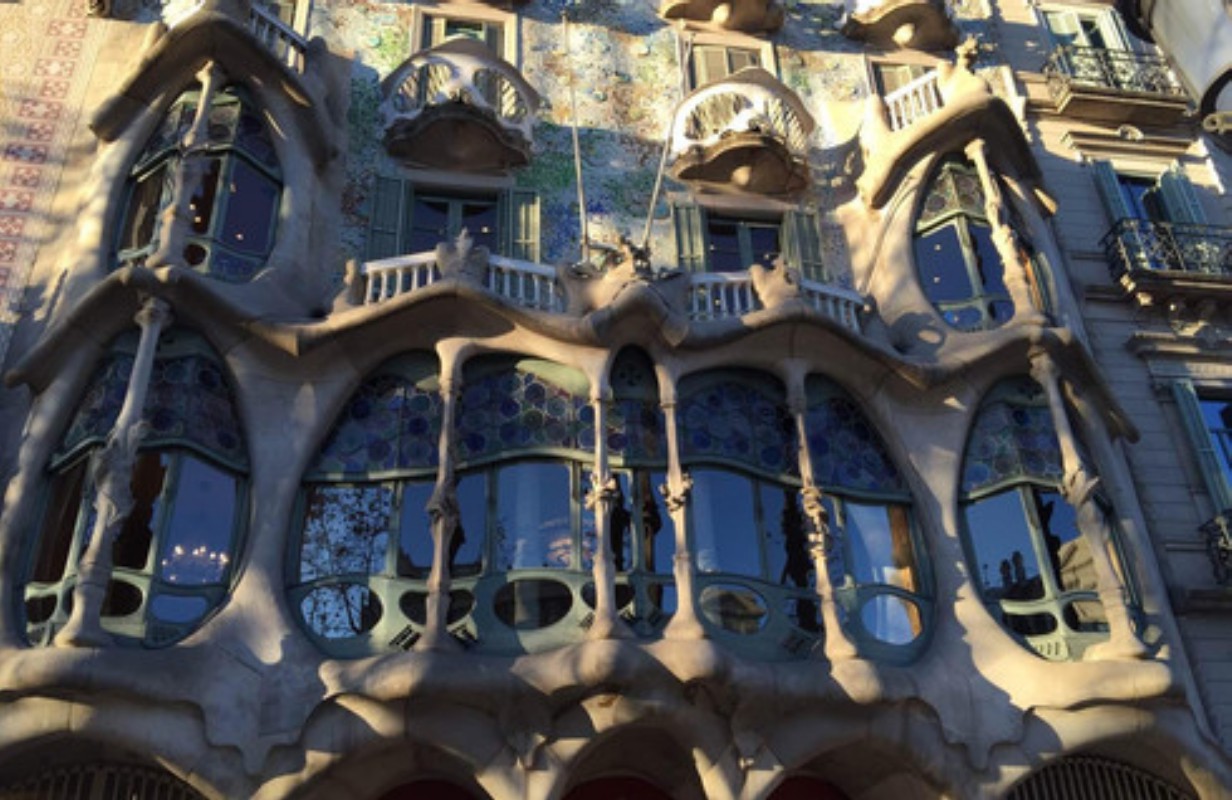
Protected buildings are not just cold legal text—they are part of Spain’s cultural identity. Proper maintenance and compliance with laws not only help avoid trouble but also allow our cities to retain their unique charm. Feel free to share in the comments section stories of protected buildings in your city or any questions you may have about these regulations.
