The Charm of Muslim Mosque Architecture in Spain
For those living in Spain, it is well known that in many cities you can find Spanish Muslim architecture with ancient mosques hidden away, bearing witness to the splendor of the Al-Andalus period. These buildings are not only places of worship but also masterpieces blending wisdom and beauty. Strolling through Córdoba and Granada, you will often see the familiar horseshoe-shaped arches and exquisite geometric decorations that naturally slow your pace.
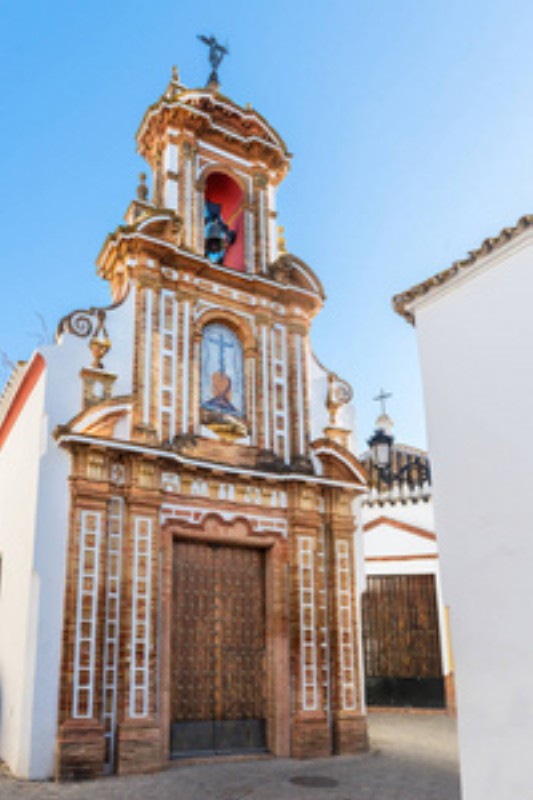
Historical Background and Cultural Fusion
The emergence of Muslim mosques in Spain dates back to the Arab rule of the Iberian Peninsula in the 8th century. Architects at the time merged North African and Middle Eastern design concepts with local stone and woodworking craftsmanship, creating the unique Moorish style. This style emphasizes the fluidity of space and the play of light and shadow, enhancing the solemn and tranquil atmosphere for prayer.
Main Architectural Features
| Element | Feature |
|---|
| Arches | Horseshoe-shaped, layered colorful stone |
| Domes | Delicate octagonal or hexadecagonal structures |
| Decoration | Interwoven geometric and plant motifs |
| Courtyards | Peaceful spaces with pools and olive trees |
Among these elements, the horseshoe-shaped arch is the most recognizable feature, often built with alternating red and white stone blocks, which not only adds beauty but also structural stability.
Famous Examples
The Mosque–Cathedral of Córdoba is the most renowned example, once one of the largest mosques in the world, now fused with a Catholic church structure to form a striking landscape of religious coexistence. Granada’s Albayzín district preserves more everyday Muslim architecture, with small mosques along the streets continuing the original artistic details.
Modern Significance
Today, Spain’s Muslim mosques, in addition to serving religious purposes, also attract large numbers of tourists and scholars, becoming hotspots for cultural exchange. Their presence reminds us of the value of cultural diversity and encourages a deeper understanding of the complexity of history.
Visiting and Experiencing
If you want to experience this architecture up close, it is best to go early in the morning or at dusk, when the interplay of light and shadow is most captivating. Remember to respect local prayer times and dress codes to truly immerse yourself in this atmosphere.
