Color Impressions from North to South
In Spain, the colors of architecture are not merely an aesthetic decision but a product of intertwined climate and history. The whitewashed houses in southern Andalusia are iconic for many, as the intense sunlight calls for highly reflective colors to lower indoor temperatures. Walking through the narrow streets of Malaga’s old town feels as if you are surrounded by light and shadow, an experience that photos can never fully capture.
Warm Tones along the Mediterranean Coast
Along the Mediterranean in Valencia and Alicante, you will find numerous ochre, beige, and light orange façades. These tones harmonize with the reflected light from the sea while offering a gentle contrast with the blue sky. 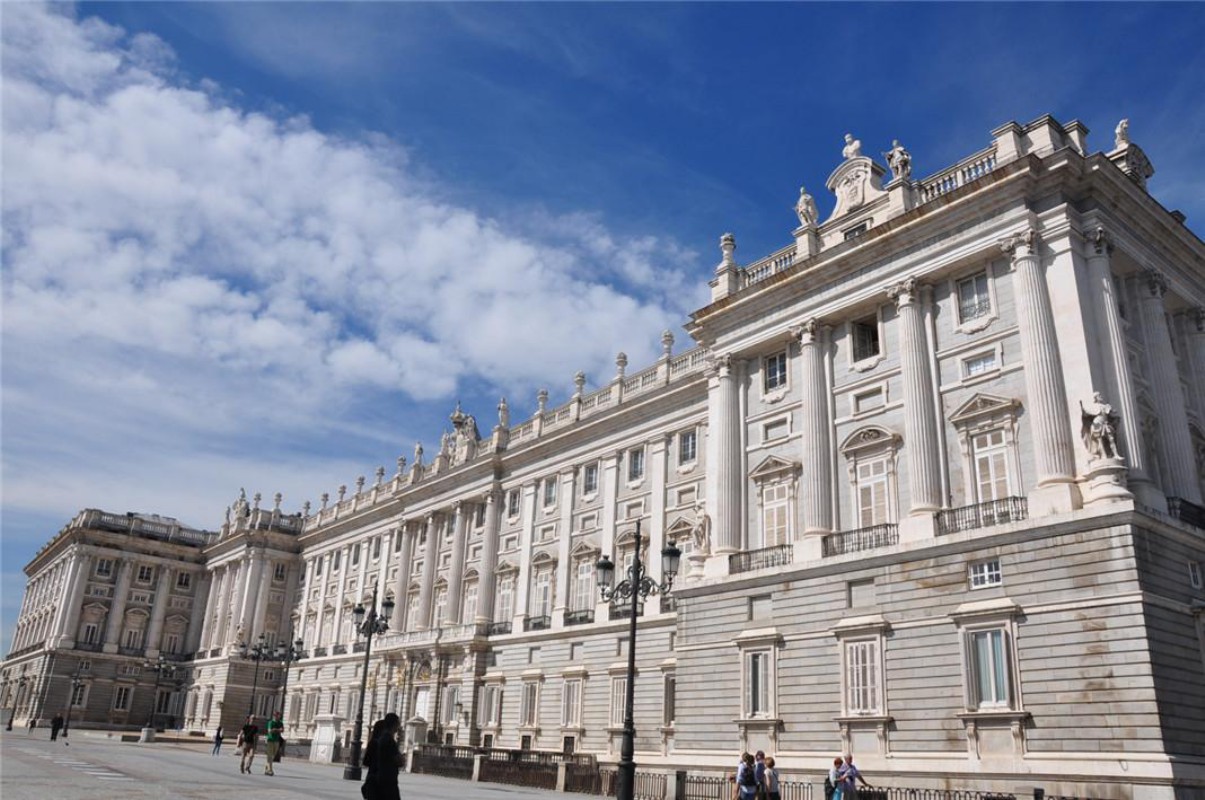 These warm tones evoke relaxation and tranquility, much like a quiet summer afternoon at an outdoor café.
Stone and Dark Shades in the North
In Galicia or the Basque Country, heavy rainfall and a humid climate lead to widespread use of grey, dark brown, or the natural color of stone on exterior walls. Compared to the south, the palette here is more subdued, yet it conveys a sense of stability and safety. The weather resistance of stone is especially valuable in damp environments, reflecting the heritage of traditional craftsmanship.
Urban vs. Rural Contrasts
In large Spanish cities such as Madrid and Barcelona, amid a modern backdrop, colors are more diverse, with bold painted art walls appearing here and there. Rural residences, however, tend to follow traditions preserved for hundreds of years. The continuity of color is also an essential part of cultural identity.
Common Colors and Representative Regions
| Common Color | Representative Region |
| White | Southern Andalusia |
| Warm tones | Mediterranean coastal cities |
| Grey/Dark Brown Stone | Northern Spain |
| Colorful Art Walls | Central areas of big cities |
Tips for Travel Photography
When shooting Spanish street scenes, you can select different times of day according to the season to make use of natural light. For example, morning light gives white walls a soft glow, while evening light makes warm-colored buildings particularly enchanting under the sunset. Be mindful to avoid overexposure caused by strong midday sunlight, ensuring you capture the true texture of residential colors.
Whether it is the bright white walls of the south or the steady stone tones of the north, Spain’s architectural colors quietly narrate the relationship between people and their environment, offering a visual poetry to those who live here and explore Spanish residential architecture as well as the features and stylistic evolution of Spanish residential architecture.
