Overview of Royal Spanish Castle Architecture
Royal castles in Spain are not only masterpieces of architectural art but also enduring symbols of power and culture through the course of history. From medieval fortresses in the north to Moorish-style palaces in the south, each castle holds unique stories and legends. These monuments attract not only history enthusiasts but also mesmerize travelers with their old-world charm.
Notable Castle Examples
In Spain’s royal architecture, Madrid’s Alcázar stands out as a true highlight. Over centuries of expansion and restoration, it blends Gothic, Renaissance, and Baroque elements. 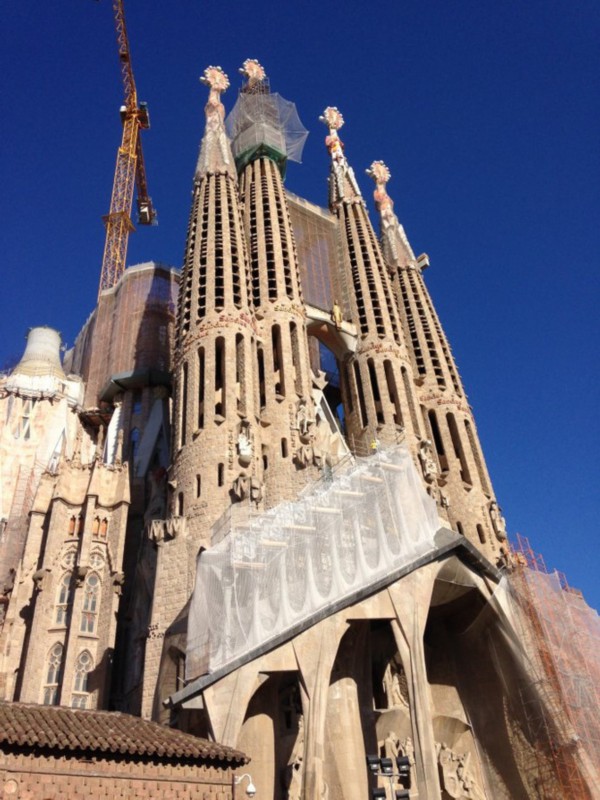 The Alcázar of Segovia looks more like a fairytale castle, with its pointed towers and impressive stone walls. Walking through the castle’s corridors feels like stepping back into the age of knights and nobles.
Architectural Styles and Details
The architectural styles of Spain’s royal castles vary widely, including the following common types:
| Style | Features |
|---|
| Gothic | Pointed arches, stained glass, large chapels |
| Mudéjar | Moorish decorations, geometric tiles, carved wooden ceilings |
| Baroque | Ornate carvings, symmetrical layouts, grand façades |
These styles intertwine throughout different sections of the castles, making the overall design unique. Intricate carvings and layouts reflect the craftsmanship of royal architects.
Historical Background and Royal Life
Many royal castles were not merely military fortresses; they also served as palaces, administrative centers, and ceremonial venues. For example, the Alhambra in Granada was once the residence of Moorish kings before becoming a royal courtyard. Here, the monarchy handled governance while hosting grand celebrations and banquets—events that reflected the social and cultural structure of the time.
Travel Advice and Experience
If you plan to explore Spanish royal architecture in person, it is recommended to check the Spanish royal castles opening hours and guided tour services in advance. Opting for early morning or late afternoon visits can help avoid crowds and secure ideal lighting for photography. Many castles offer multilingual tours in Spanish, English, and even French, allowing visitors to better understand the stories behind them. Don’t forget to pause in the courtyards or at scenic viewpoints to absorb the grandeur and tranquility.
In conclusion, Spain’s royal castles are not only tangible textbooks of architectural art but also condensed expressions of history and culture. Whether you are an architecture enthusiast, a history buff, or simply a traveler, you can find a unique personal experience here.
