Symbolic Meaning of the Spanish Flag
The Spanish flag consists of three horizontal stripes: red, yellow, and red, with the central yellow stripe being wider and featuring the national coat of arms. Red stands for courage and strength, passion and the spirit of sacrifice; yellow symbolizes fertile land and sunshine. The coat of arms contains elements such as castles, lions, chains, and pomegranate flowers, reflecting the union of various kingdoms in Spain’s history. Walking through Spanish cities, we can see this color combination cleverly applied in many architectural details.
National Flag Colors in Classical Architecture
From the Royal Palace in Madrid to the ancient walls of Toledo, stone and terracotta blend into the yellow and red tones. 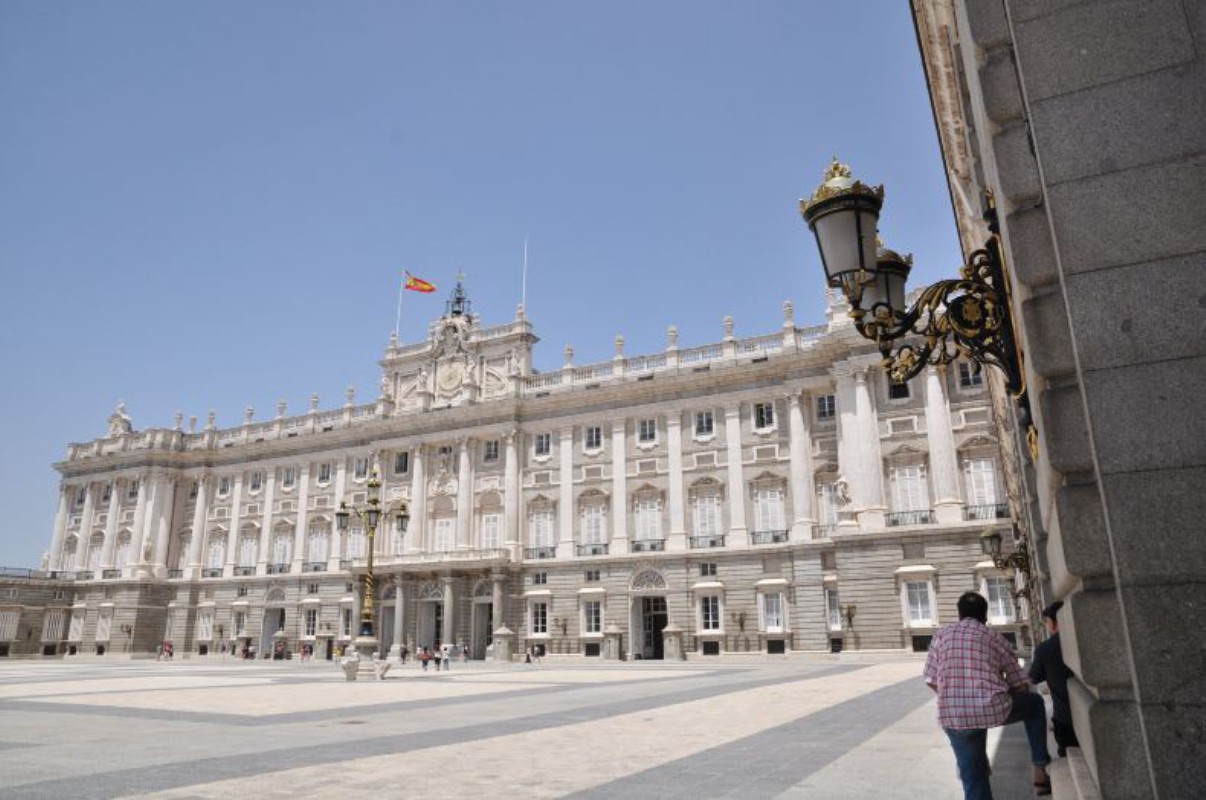 Many old buildings have window sills and wrought iron railings painted in colors that echo the flag, as seen in Madrid flag and architecture, which is not only an aesthetic choice but also an expression of cultural identity. Especially during festivals, flags hanging on façades highlight the pride of the community.
Integration in Contemporary Architecture
Modern Spanish architects often incorporate flag colors into glass curtain walls or façade decorations in high-rise apartments or public facilities. For example, some metro stations in Barcelona feature exterior walls with deep red and bright yellow panels, creating a visual resonance. This design instantly evokes the national flag, subtly conveying a sense of national identity in daily life.
Regional Differences and Architectural Styles
Different autonomous communities present unique interpretations of the flag colors in architecture:
| City | Architectural Color Features |
|---|
| Madrid | Subtle red and yellow details in the Royal Palace and stone carvings |
| Barcelona | Bold blending of red and yellow in modern façades |
| Seville | Moorish arches and terracotta roofs reflecting the flag colors |
This diversity not only reflects local architectural traditions, but as Spanish flag shows, also demonstrates the flexible application of flag colors across regions.
Interaction Between Festivals and Architecture
In Spain, during major celebrations such as National Day, the combination of architecture and the flag is most prominent. Golden yellow lights paired with hanging red flags fill neighborhoods with a festive atmosphere. In some small towns, residents even temporarily repaint the exterior walls of their houses to match the streetscape.
Conclusion
Observing the Spanish flag alongside architecture not only brings aesthetic satisfaction but also helps understand the history and culture behind them. Whether it is traditional stone carvings or modern glass towers, that splash of red and yellow is an indispensable visual symbol in everyday life, bringing people closer to this diverse nation.
