The Cross-Border Charm of Squid Game and Spanish Architecture
When I first watched Squid Game, I was deeply captivated by its vibrant colors and geometric settings. This instantly brought to mind many details in Spanish architecture, such as Gaudí’s Casa Batlló and Casa Milà, which also use irregular shapes and bold colors to create a surreal atmosphere. This sense of space carries a unique expression in both cultures.
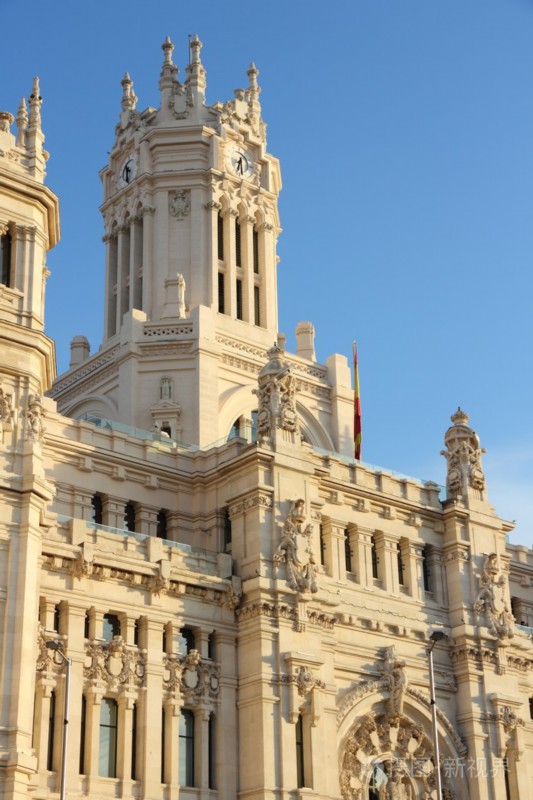
The Response of Color and Space
Spanish architecture, especially in the southern Andalusian region, features layered tones formed by white walls, blue tiles, and blooming flowers. The color grading style in Squid Game uses intense pink, green, and yellow backgrounds to maximize spatial impact. This technique not only dazzles the viewer but also evokes the high saturation visual pleasure found in medieval Mudéjar style buildings.
Symmetry and Illusion
In Squid Game, many staircases and corridors adopt symmetrical layouts reminiscent of Andalusian courtyards, but with added optical illusions that cause participants to lose their sense of direction while walking. This design is strikingly similar to the defensive arrangements found in certain Spanish castles, serving both aesthetic presentation and functional spatial arrangement.
| Squid Game Element | Spanish Architectural Counterpart |
|---|
| Macaron-colored staircases | Colorful tiled staircases |
| Winding labyrinthine passages | Castle interior corridors |
| High-intensity contrasting colors | Ceramic mosaic landscapes |
The Interweaving of Cultures
We can see this crossover as a cultural metaphor: the Korean director, through Spanish architectural style games, uses specific colors and structures to suggest psychological pressure, while Spanish architects historically used light and materials to guide people through spatial experiences. This intercultural blend makes it clear that even worlds separated by vast distances can share common emotional foundations in design.
Experience and Inspiration
If you enjoy the scenes in Squid Game, you might consider visiting certain modern art museums in Madrid, or exploring Gaudí’s architecture in Barcelona during your trip to Spain. You can even compare the spatial layouts you saw in the game with real-life buildings — a pursuit sure to yield fascinating discoveries.
Conclusion
From the white walls of small Andalusian towns to the pink castle-like spaces in Squid Game, these examples show that spatial aesthetics are a form of expression that transcend language. It is not merely a visual feast, but also a bridge for cultural exchange. Two seemingly unrelated worlds find a magical connection through architecture and design.
