The Architectural Charm of Spanish Tiles
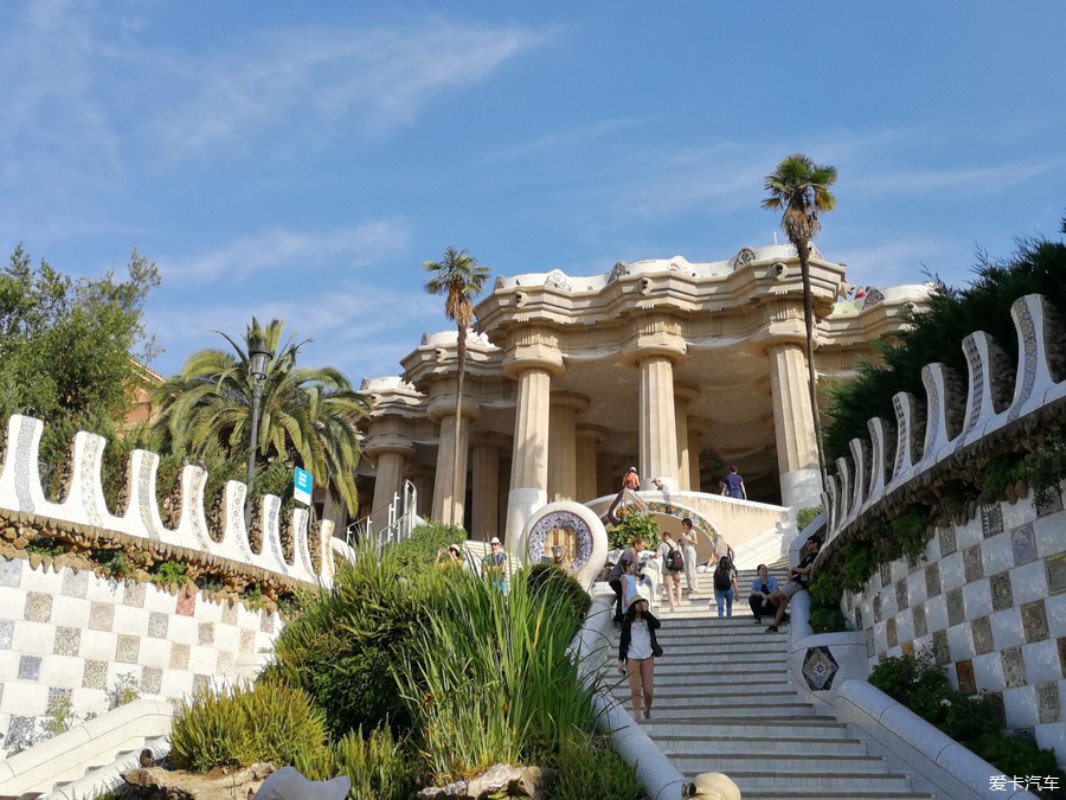
In Spain, whether you stroll through ancient city quarters or modern emerging neighborhoods, tiles act as an unmistakable architectural language. Many houses feature colorful patterns on exterior walls, interior floors, and even stair railings. These designs not only enhance the beauty of spaces but also carry the area’s long-standing culture and stories.
Historical Background and Cultural Heritage
Spanish tile art dates back to the Moorish era, when Arabic geometric patterns blended with the architectural styles of the Iberian Peninsula. The Spanish exterior wall tiles formed a distinctive system of motifs. These patterns often use vivid blues, greens, and yellows as primary colors, combined with precise lines to create a visual effect that is both vibrant and delicate. Especially in the old quarters of Andalusia, you can feel as if these tiles are telling millennia-old stories.
Areas of Use and Practicality
The durability of tiles gives them a wide range of applications in architecture: exterior walls can resist sun and moisture, interior floors are easy to clean, while kitchens and bathrooms can withstand humidity and high temperatures. In rural courtyards, traditional handcrafted tiles are often installed on fountains and benches, blending utility with beauty.
| Application Area | Advantages |
|---|
| Exterior walls | Moisture-proof, sun-resistant, strong decorative effect |
| Interior floors | Easy to clean, wear-resistant |
| Kitchen & bath | Resistant to humidity, high temperature resistant |
Tiles in Modern Design
Today’s Spanish architects and designers, while continuing traditional patterns, also introduce modern minimalist styles. Deep blue blocks combined with a white base can be paired with glass materials to increase a sense of openness. Simple geometric shapes paired with [ size=18 ]large format tiles enhance visual impact in commercial spaces, while still retaining warmth.
Selection and Maintenance Tips
When choosing tiles, it’s advisable to select materials and surface finishes based on the function of the space. For outdoor use, choose rough-textured tiles that are slip-resistant and waterproof; indoors, gloss or glazed finishes ease cleaning. Clean regularly with mild detergents and avoid overly strong chemicals to protect the glaze, as suggested by Spanish tile architecture.
Summary
Spanish tiles are not only a building material; they encapsulate centuries of culture and aesthetics. Whether in a small corner of your own kitchen or on the benches of a public square, this beauty communicates silently with people. When renovating or remodeling, consider incorporating some story-rich Spanish tiles to give your space a unique charm.
