Differences Between Italian and Spanish Architecture
When traveling through Europe, people often mistake Italian and Spanish architecture for being similar, but in fact, they have distinct differences. Italian architecture largely preserves the traditions of Ancient Rome and the Renaissance, while Spanish architecture blends Moorish, Gothic, and Baroque styles. From the street atmosphere to intricate carvings, you can sense each nation’s unique aesthetic philosophies.
How Historical Background Influences Architecture
Italian cities such as Florence and Rome continue Ancient Rome’s preference for arches and domes, striving for symmetry and harmonious proportions. The Renaissance artistic spirit encouraged architecture to value the combination of humanistic ideals and mathematics. In contrast, Spain’s history on the Iberian Peninsula brought together Arabic geometric patterns and vibrant color schemes, with this Moorish influence most vividly seen in Granada’s Alhambra Palace.
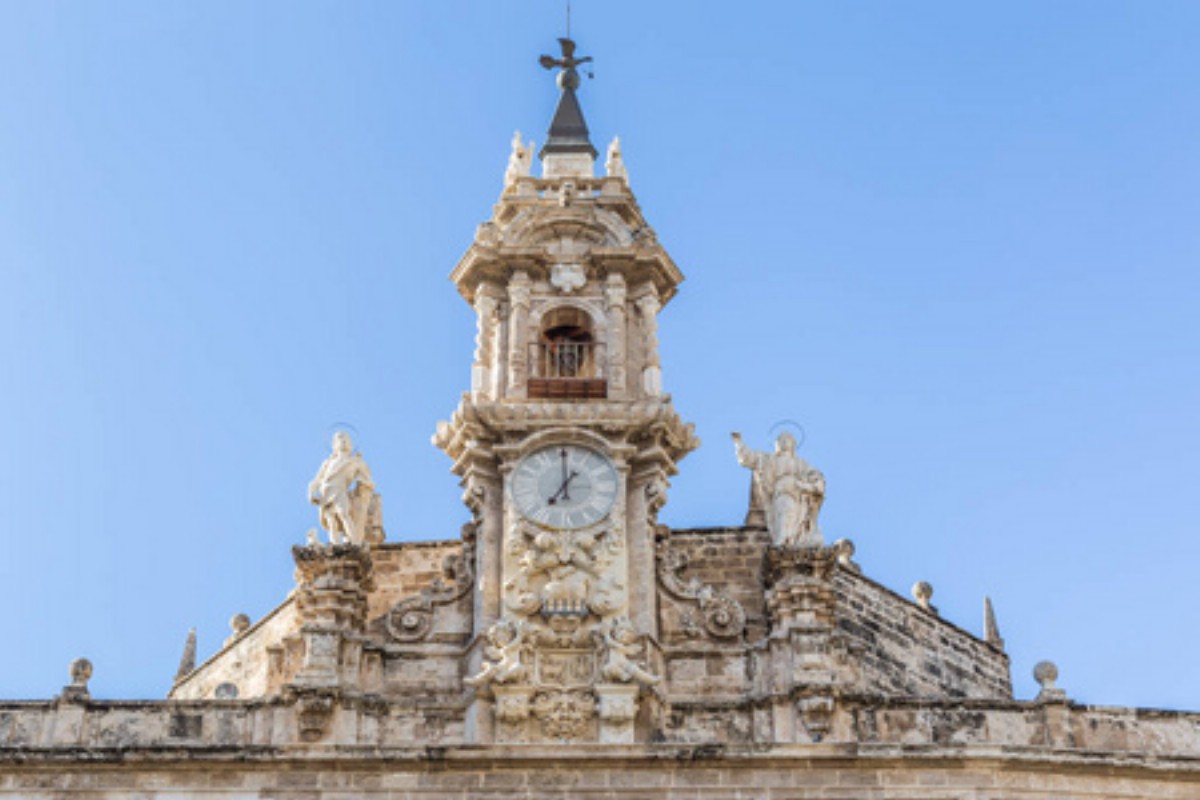
Choice of Materials and Colors
Italian architecture often uses white or pale marble and limestone, with a fine texture that conveys a solemn, serene impression. Spanish architecture more often [architectural style differences] employs terracotta bricks and glazed ceramic tiles, with bright, lively colors. In Andalusia especially, colorful tiles are not only decorative but also symbols of local culture. This difference in materials influences the visual effect and reflects variations in climate and resource distribution.
Table of Function and Spatial Layout
| Country | Characteristics |
|---|
| Italy | Courtyards, arcades, emphasis on proportion and symmetry |
| Spain | Inner patios, fountains, emphasis on shade and ventilation |
Contemporary Influence and Travel Impressions
Today, Italy works to protect classical architecture while introducing modern elements into new projects, allowing visitors in Rome’s streets to experience an interplay of two eras. Spain’s modern architecture, such as Gaudí’s works in Barcelona, combines natural forms with structural innovation, further expanding its architectural language.
Conclusion and Discussion
Whether you prefer the classical beauty of Italy or the colorful charm of Spain, both are key treasures in Europe’s architectural heritage. If you wish to [differences between Spanish and Italian architecture] experience this contrast more vividly, consider spending a day walking through small town streets in Italy and Spain during your trip, taking comparative photos, and sharing your impressions on forums. This will deepen your understanding of European architecture [Italian and Spanish architectural differences].
