Detailed Guide to Spanish Building Type Classification Standards
When living or investing in Spain, understanding the classification standards for building types is crucial. This not only affects the functionality of a property but also involves legal, tax, and living experience considerations. Based on my observations and research, I have compiled several common building types to facilitate discussion.
Residential Building Types
Residential buildings in Spain can be broadly categorized into detached villas, townhouses, apartment buildings, and Spanish building classification rural houses. Different types of residences vary in space, privacy, and price; apartments are common in cities, while villas and townhouses dominate coastal areas. 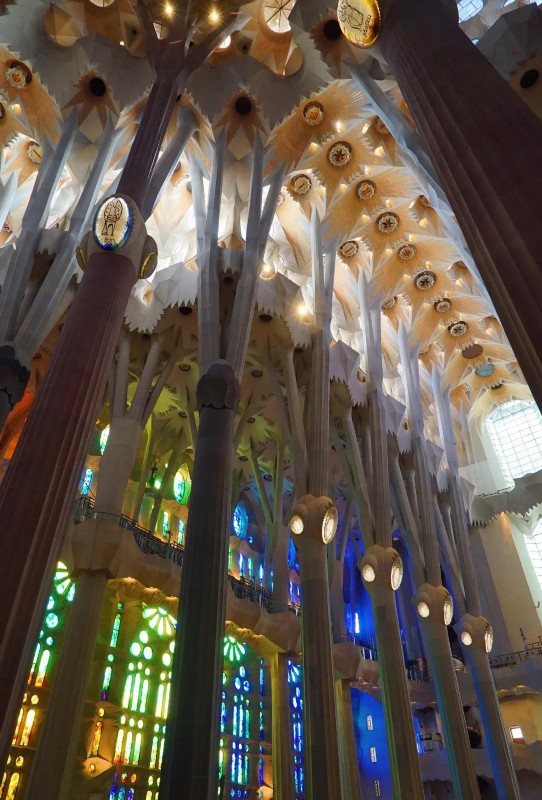
Commercial and Office Buildings
Commercial buildings typically include shops, office towers, and mixed-use developments, with distinct zoning in urban planning. The design of these buildings focuses more on pedestrian flow and visibility, such as shopping streets and business districts in city centers.
| Type | Features |
|---|
| Shops | Independent or chain stores, mostly located in high footfall areas |
| Office buildings | Offer flexible office spaces, with good transport links |
| Mixed-use | Combines commercial and office functions within the same building |
Public Buildings
Public buildings encompass government offices, schools, hospitals, and cultural centers. These are often funded by public resources, with designs emphasizing functionality and accessibility. For example, many towns have a town hall that serves as both an administrative hub and a venue for community activities.
Industrial and Storage Buildings
In Spain’s industrial zones, you can find a large number of factories and logistics warehouses. The planning for these structures must comply with safety, environmental, and overall city development requirements. Particularly near ports and major transport hubs, warehouse density is very high.
Special Types of Buildings
Beyond the categories above, there are churches, museums, sports arenas, and other buildings with specific cultural or entertainment functions. Due to their historical or unique design features, these structures often become local landmarks, drawing both tourists and residents to admire them.
For those seeking housing or investment opportunities, it is advisable to consult official cadastral information to confirm a building’s intended use and classification, thus avoiding potential complications in future usage.
