German Architecture vs Spanish Architecture
If you live in Spain, you may have already noticed that the surrounding architectural style is strikingly different from that of Germany. Sometimes, even though both are European countries, they present two completely different urban landscapes. Today, let’s talk about what differences German and Spanish architecture bring to daily life.
Climate and Design
German architecture is often known for its rigorous insulation and heating structures, due to the lower winter temperatures there. Spanish architecture, benefiting from abundant sunshine, frequently uses white walls and spacious windows with good ventilation to help cool down during hot seasons. This directly reflects the comfort level in residents’ daily lives.
| Feature | German Architecture | Spanish Architecture |
|---|
| Climate Adaptation | More focus on insulation | More focus on cooling |
| Materials Used | Heavy brick and stone | Lime or light-colored coatings |
| Appearance Style | Symmetrical and orderly | Rich in colors |
Urban Space and Layout
In German cities, neighborhood layouts are often orderly with clear functional divisions, and public spaces tend to prioritize function. Spanish cities, on the other hand, retain more historic districts with winding streets, giving pedestrians a sense of spontaneity and romance. If you enjoy exploring old streets and alleys, Spain might be more appealing.
Architectural Culture and History
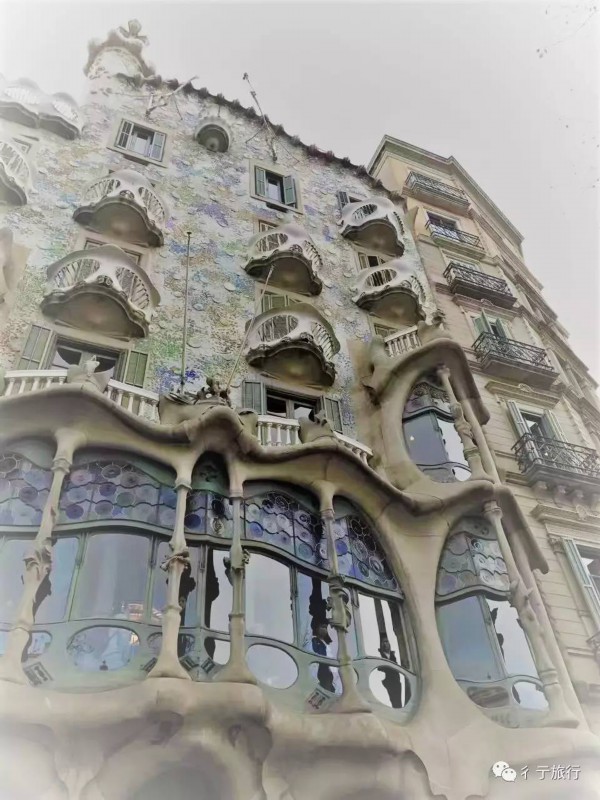
Germany in the 19th and 20th centuries was influenced by industrialization, with many buildings constructed using reinforced concrete, creating a strong modern feel. Spain preserves styles from ancient Rome, the Moors, and Gothic architecture, while also integrating Modernism, such as Gaudí’s works in Barcelona. In this way, you will find that the buildings of these two countries tell very different historical stories.
Living Experience and Lifestyle
German residences are often valued for their quietness and strong soundproofing. Spanish homes, with their long architectural history, may offer less soundproofing, but have a lively community atmosphere where neighbors know each other well. Whether you prefer solitude or a vibrant neighborhood is an important factor in your choice.
Conclusion and Discussion
Whether it’s Germany’s precision craftsmanship or Spain’s sunshine and vibrant colors, the architecture reflects a certain philosophy of life. If you plan to live in Europe long-term, it’s worth visiting different cities to feel the emotional changes brought by streets, balconies, and facades, and then decide which style aligns more with your ideal life. Which architecture do you prefer? Feel free to share your experiences and opinions below to let more Spanish and German architecture study abroad enthusiasts appreciate the charm of these two aesthetics.
