Exploring the Spanish Architectural Style of Los Angeles
Walking through the streets of Los Angeles, you often encounter buildings with a strong Spanish colonial influence. These red-tiled roofs, arched porches, and pale stucco walls are not only visual symbols of the city but also an important part of California’s history. Many homes, churches, and public buildings preserve this style, making you feel as though you are wandering an old Mediterranean town bathed in sunlight.
Historical Origins
In the late 18th century, Spanish colonizers established missions in California, marking the first foothold of Spanish-style architecture in Los Angeles. Arched corridors and thick white walls adapted well to the local climate while bringing a rich cultural atmosphere. Even today, this design continues to be preserved and adapted in urban planning.
Iconic Buildings
The famous Union Station is one of Los Angeles’ most representative examples of Spanish-style architecture. Its blended design reflects a combination of Spanish colonial, Moorish, and Art Deco influences. 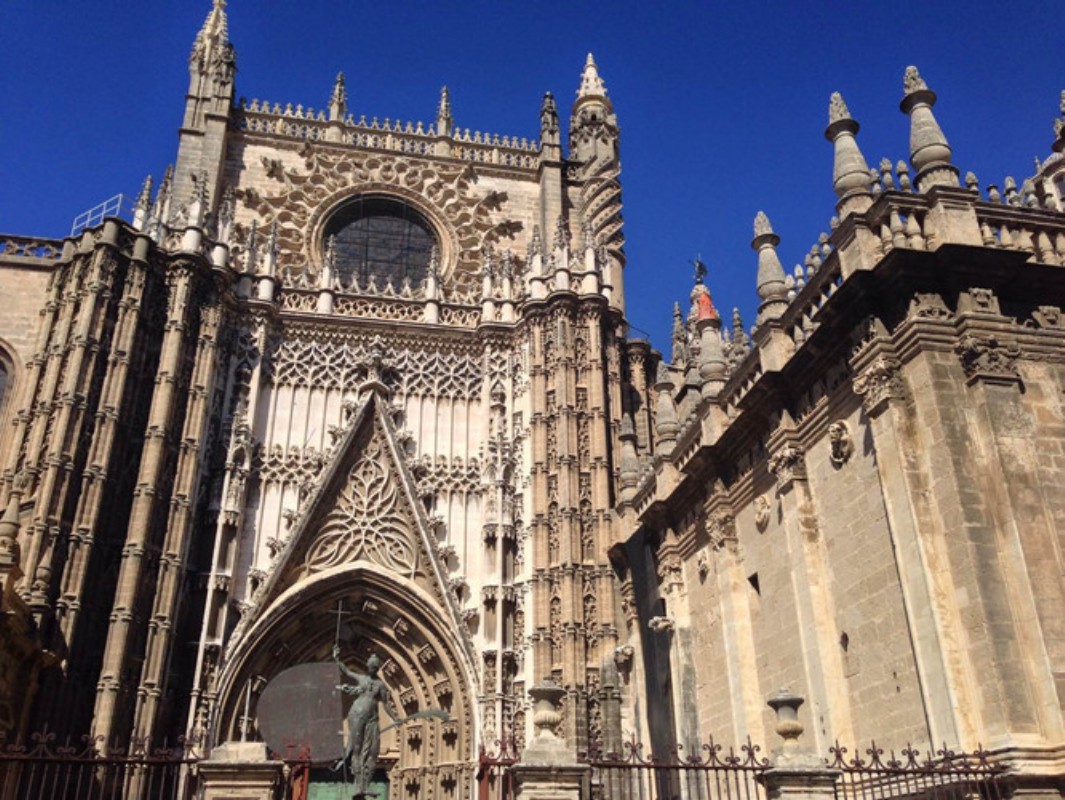 Another must-visit location is Olvera Street, where the old houses and shops are full of history and vibrancy.
Style Elements Table
| Element | Feature |
|---|
| Roof | Red clay tiles |
| Walls | White or light-colored stucco |
| Doors & Windows | Arched design |
| Decoration | Colorful ceramic tile accents |
Integrating with Modern Life
Today, many newly built communities and commercial areas still draw inspiration from Spanish architectural elements. This design is not only aesthetically pleasing but also helps regulate indoor temperatures. In Southern California’s dry and hot climate, thick walls and small windows reduce direct sunlight, enhancing living comfort.
Conclusion and Discussion
Spanish architecture in Los Angeles stands as a testament to the city’s culture and history, allowing people to experience the charm of the colonial era within a modern metropolis. If you come across interesting Spanish-style buildings in your life or travels, feel free to share them on the forum. What other aspects of this blend of classical and modern aesthetics do you think are worth exploring?
