Historical Background of Spanish Grid Architecture
Spanish grid architecture originates from medieval urban planning, initially prevalent in coastal cities and trade centers. This type of construction, with its Spanish grid architecture designed in a regulated grid layout, not only facilitates residents’ daily life but also offers excellent ventilation and natural lighting. The grid structure at that time was a balanced solution between aesthetics and practicality, gradually becoming an integral part of local culture over time.
Main Design Features
The structure of grid architecture emphasizes overall symmetry and spatial division; from small residences to large public squares, this principle is consistently demonstrated. Regularly arranged streets make transportation and communication smoother while reducing uncontrolled expansion. In some old towns, you can still see grid buildings made of stone and brick walls—materials that are not only durable but also resistant to moisture-related issues.
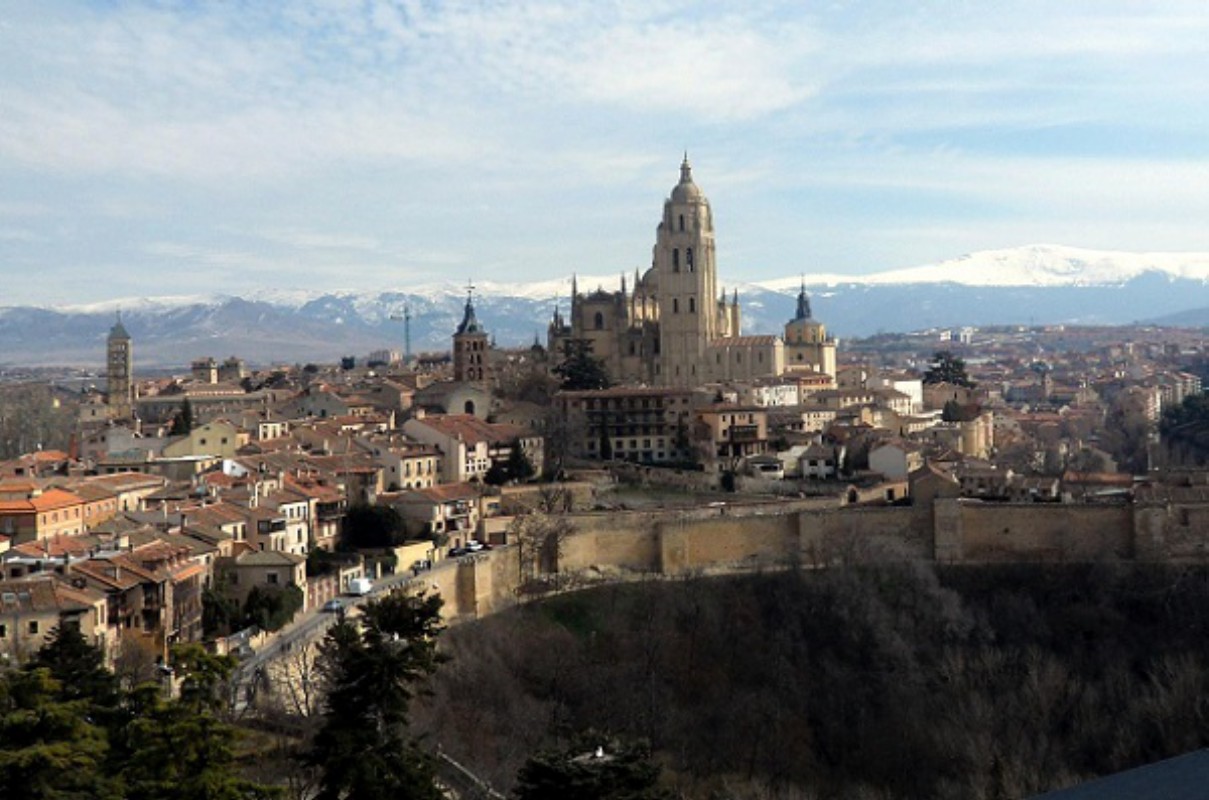
Table Overview: Advantages and Suitable Scenarios of Grid Architecture
| Advantages | Suitable Scenarios |
|---|
| High space utilization | Urban housing |
| Ample lighting | School buildings |
| Good ventilation | Commercial district planning |
Applications in Modern Cities
Today, grid architecture is not only common in historic neighborhoods but is also widely adopted in modern cities. Developers, when planning new districts, often reference the benefits of traditional grid layouts combined with modern building materials and technologies. This approach preserves the orderly structure of tradition while meeting the functional needs of contemporary residents.
Cultural and Aesthetic Value
The grid layout is not only part of architectural technique but also a significant representation of Spanish urban aesthetics. During festivals or markets, the regulated street layout allows for a more even distribution of crowds, enhancing safety. Strolling through grid neighborhoods, you will feel a unique sense of order and comfort, which is one of the reasons many people are fond of old towns.
Conclusion and Discussion
The charm of Spanish grid architecture lies in its combination of functionality and artistry, serving residents’ daily lives while shaping the city’s distinctive landscape. The continuation of this architectural form also reflects respect for history and culture. In lifestyle forums, people can share photos or stories of grid architecture from their cities and explore how Spanish grid architecture is presented in different regions.
