The Global Standing of Spanish Architecture
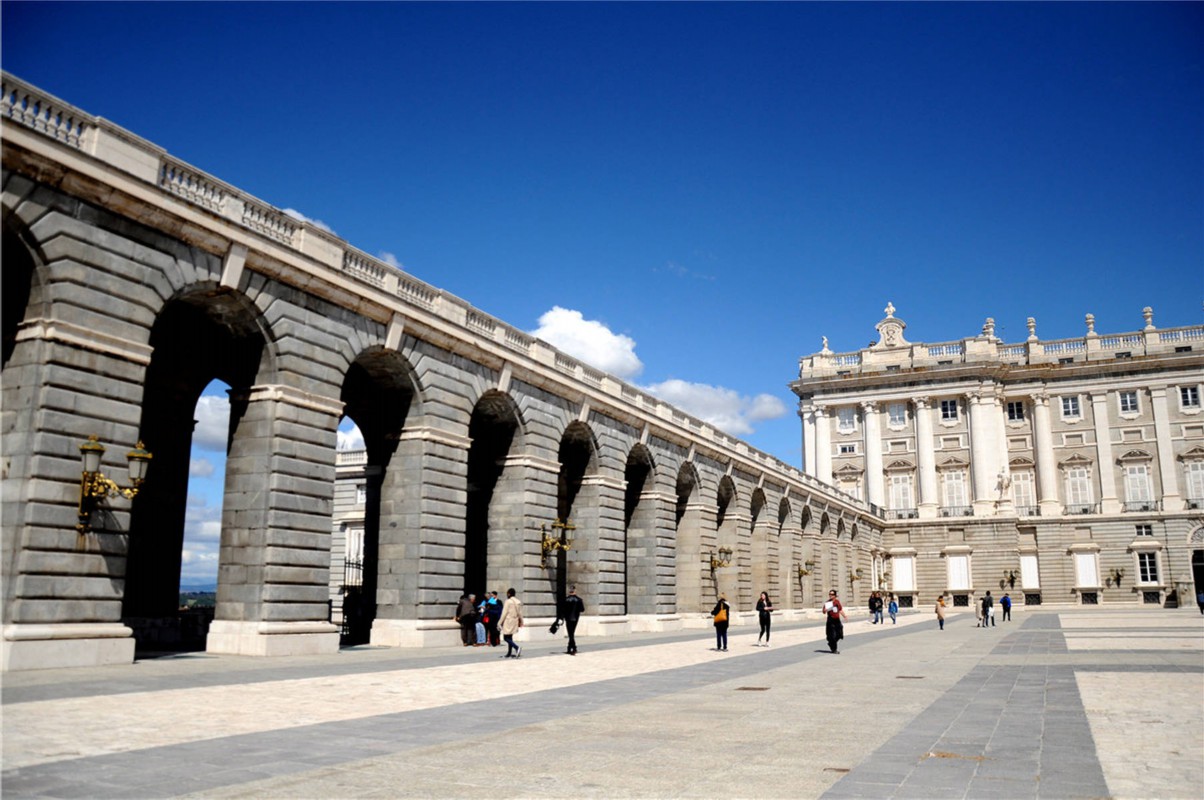
Spanish architectural styles can be seen as a microcosm of Mediterranean culture, blending the grandeur of ancient Rome, the intricate beauty of the Moors, and the freedom of Spanish Architecture Modernism. Walking through the streets of Spain, you can marvel at stunning architectural details that reflect the aesthetic and craftsmanship of different eras.
Layers of Historical Fusion
From ancient Roman amphitheaters on the Iberian Peninsula, to the Alhambra of the Moorish period, and the Gothic Toledo Cathedral, Spanish architecture is like a three-dimensional history book. Different cultures meet and collide here in the History of Spanish Architecture, creating a unique visual experience. Urban layouts and architectural forms offer functionality while embodying deep humanistic spirit.
Gaudí and the Modernist Wave
From the late 19th to the early 20th century, Antoni Gaudí's works became the emblem of Spanish Modernist architecture. His creations such as the Sagrada Família and Casa Batlló are characterized by flowing lines and natural elements, not only transforming Barcelona’s skyline but also influencing architectural design concepts worldwide.
| Landmark | City |
|---|
| Sagrada Família | Barcelona |
| Alhambra Palace | Granada |
| Seville Cathedral | Seville |
| Ancient Roman Amphitheater | Mérida |
The Union of Architecture and Everyday Life
In Spain, architecture is not only a tourist attraction but also an integral part of residents’ daily lives. Whether in Madrid’s modern business districts or the traditional whitewashed villages of Andalusia, there is a clear emphasis on living spaces and aesthetic pursuit. This harmonious relationship ensures that Spanish cities remain vibrant while preserving historic charm.
A Treasury of World Heritage
Spain boasts numerous UNESCO World Heritage sites, not merely for their quantity but for their quality and artistic merit. Each site stands as a witness to history and as a coveted destination for travelers worldwide. This international recognition further solidifies Spain’s prominence in global architecture.
Looking Toward the Future
As sustainability gains traction, Spain’s new generation of architects are exploring ways to preserve tradition while integrating environmental and technological innovations. This parallel track of inheritance and innovation ensures Spanish architecture is poised to continue leading global trends in the years ahead.
