Spanish-Style Villa Architectural Overview
In cities and countryside across Spain, one often finds villas with a unique charm. This architectural style stems from the fusion of Mediterranean culture, combining the warmth of Southern Europe with a rich sense of history. Its appearance and structure are not only for aesthetics but also adapted to the local climate and lifestyle.
Typical Exterior Elements
The most representative feature of Spanish-style villas, the red tile roof, is a primary hallmark. Roofs typically use terracotta tiles, with sloped angles allowing rainwater to drain smoothly while reflecting some heat in summer. Arched doors and windows are another signature; the soft curves lend greater friendliness to the building. 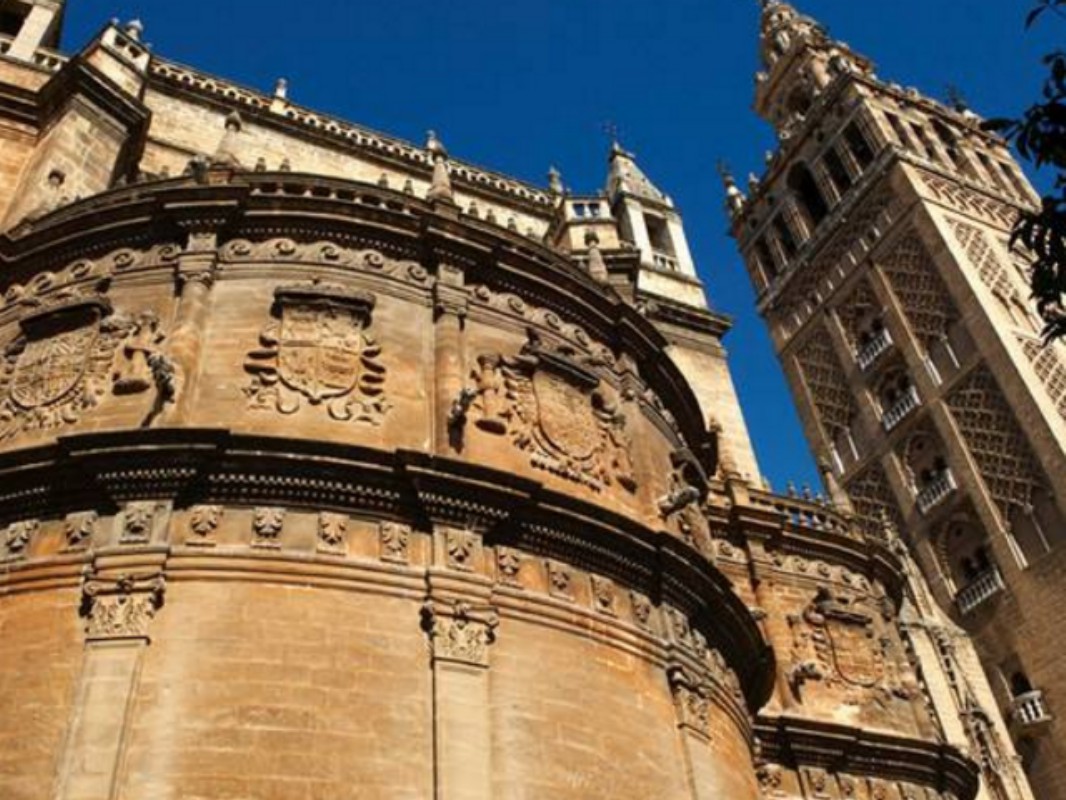
Materials and Colors
Walls are usually finished with white or light beige stucco, complemented by wooden or wrought iron details. To maintain comfort, thick walls provide insulation, keeping interiors cool during hot summers. The combination of wooden beams and wrought iron railings adds a handcrafted, artistic feel to the home. Colors lean toward natural tones, avoiding overly bright contrasts.
Structural Layout
Traditional Spanish villas emphasize ventilation and natural light in their interiors. A common layout centers around a courtyard, which serves both as a social space and the home’s natural light hub. Below is an overview of typical structural elements:
| Element | Function |
|---|
| Courtyard | Provides light and ventilation |
| Archway | Decorative connection between spaces |
| Red tile roof | Rain protection and insulation |
Decorative Details
Decoration is not about overloading but rather about practical-based aesthetics. Walls might feature ceramic mosaics, as seen in Spanish Villa Architecture, while floors often use terracotta tiles for warmth and durability. Furniture is mostly heavy wood, paired with handcrafted textiles to create a cozy living atmosphere.
Adapting to Modern Life
Today, this style retains traditional aesthetics while incorporating modern materials and equipment, such as energy-efficient windows and underfloor heating systems. The core still emphasizes harmony with the environment. Living in such a villa offers different beauty in each season; whether enjoying a courtyard dinner in summer or conversations by the fireplace in winter, one can deeply feel its unique lifestyle.
