Cultural Fusion of Spanish Bullfighting and Roman Architecture
In many cities across Spain, one can simultaneously feel the excitement of bullfighting and the grandeur of Roman architectural remains. This centuries-spanning cultural fusion leaves an unforgettable impression. The bullring is not only a stage for entertainment but also a symbol of culture, while the surrounding ancient structures tell another chapter of glorious history.
Origins and Evolution of Bullfighting
Spanish bullfighting originated from ancient Iberian Peninsula ritual activities and was gradually developed into a traditional celebration after being introduced by the Romans. Today, Madrid and Seville still retain a passionate bullfighting season, where every event is both a contest of skill and a feast for the eyes.
| City | Iconic Bullring |
|---|
| Madrid | Las Ventas Bullring |
| Seville | Maestranza Bullring |
The Heritage of Roman Architecture
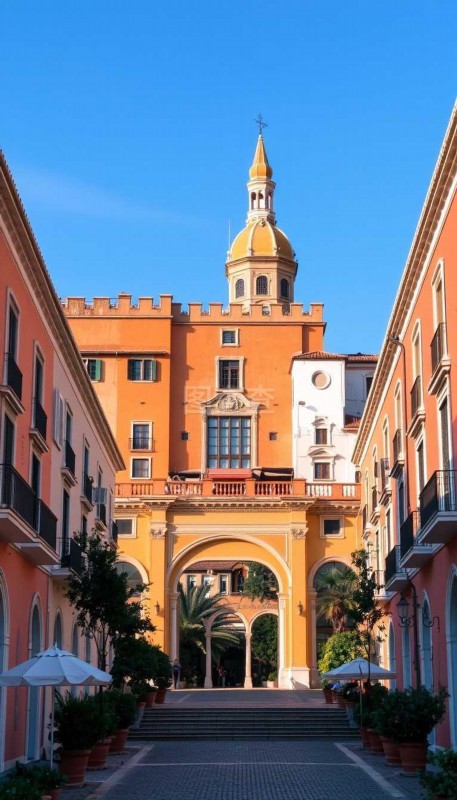
Throughout Spain, Roman architectural relics are abundant, such as the amphitheater and aqueduct in Mérida. Constructed with durable stone and intricate arches, these buildings stand strong to this day, showcasing the engineering aesthetics of the ancient world. They are not only witnesses of history but also integral parts of modern cityscapes.
The Marks of Cultural Integration
The round design of bullrings bears a striking resemblance to Roman amphitheaters, which is no coincidence. Romans brought the concept of circular architecture to Spain, and Spaniards transformed it into the unique performance space of bullfighting, blending sports and culture.
How to Experience This Culture
If you travel to Spain, consider visiting a small town with Roman ruins to watch a bullfight, then stroll to an ancient bridge or amphitheater to feel the cultural rhythms in different tempos. Viewing the bullring architecture, you will find this is not just sightseeing but a dialogue across time and space, offering a deeper understanding of Spain’s history and art.
