Commonly Used Stones in Spanish Architecture
People living in Spain may notice that many building facades, floors, and even interior decorations feature extensive use of natural stone. This tradition is not only related to climate and geological conditions but is also deeply intertwined with history and culture. Today, let’s talk about several types of building stones commonly found in Spain.
Marble
Spain is rich in marble, especially the Macael white marble from Andalusia, which is renowned worldwide. It has a fine texture and warm color, often used for upscale residential floors, stair treads, and countertops. Its advantages are beauty and ease of carving, but compared to granite, it has lower hardness and is slightly less wear resistant.
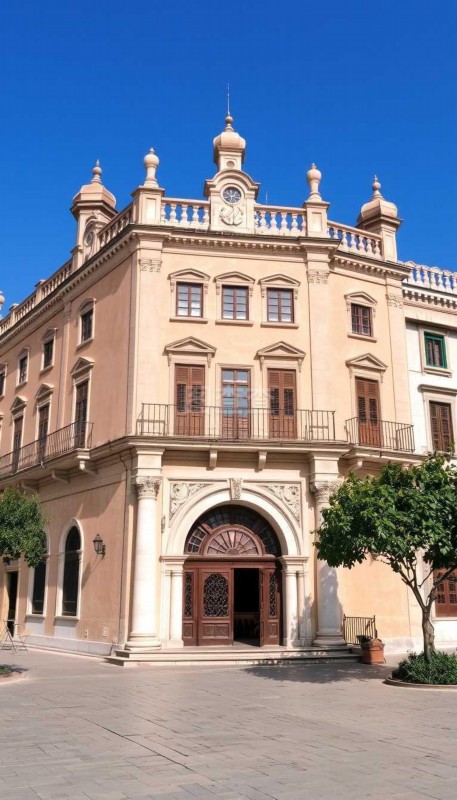
Granite
Granite is extremely common in areas such as Galicia, where it is used for building facades, garden paving, and public sculptures. It is very hard and has high compressive strength, making it well-suited to the rainy, humid climate of northern Spain. Its drawback is that processing is relatively difficult, but its durability is among the best of all stones.
Slate
Slate is almost ubiquitous in the architecture of northern mountainous regions of Spain, especially for roof coverings, thanks to its excellent waterproof properties and natural sheet form that makes it easy to lay. The gray-black slate gives northern villages a sense of understated beauty, which pairs well with stone masonry walls for strong regional character.
Common Stone Comparison Table
| Stone Type | Features |
|---|
| Marble | Rich colors, easy to carve, fine texture |
| Granite | High hardness, weather resistant, suitable for outdoors |
| Slate | Excellent waterproofing, easy to lay in sheets |
| Limestone | Low cost, strong decorative appeal |
Limestone
Along the Mediterranean coast, limestone buildings are everywhere. It is softer, easy to process, and offers good insulation and thermal retention, making it ideal for hot, dry regions. However, its water absorption rate is high, so protective treatment is needed. Many ancient city walls and church facades are made of this stone, and you can see traces of it in places like Toledo and Valencia.
Natural stones from various regions of Spain not only shape architectural styles but also reflect the local mastery of materials. When renovating or restoring a house, if you want your choice of Spanish architectural stone to harmonize with the surrounding environment, it is worth considering the features and applications of commonly used local stones—this ensures durability while preserving regional aesthetic appeal.
