Introduction
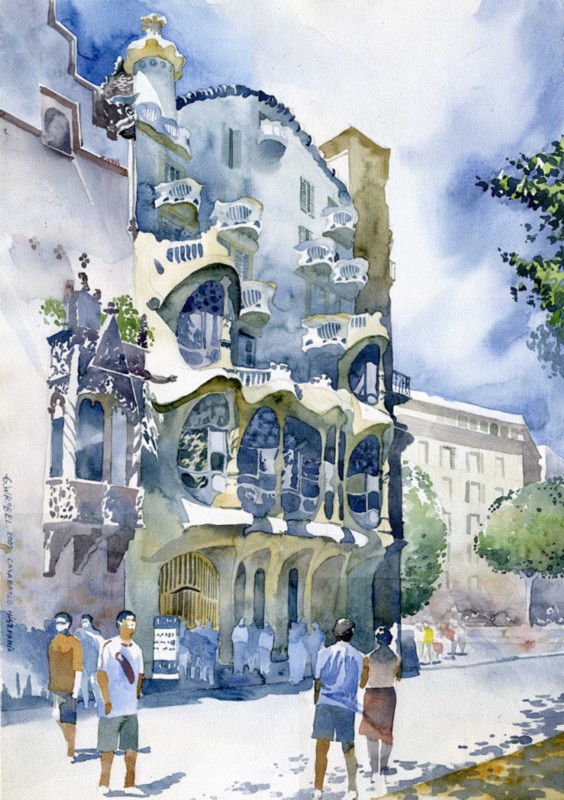
When it comes to modern Spanish architecture, many people first think of Gaudí, but after Gaudí, a group of talented modern architects continued to shape the urban landscape of the country. Their bold innovations in materials, structures, and spatial perception, [Spanish architects] have allowed people to experience the combination of art and functionality in their everyday lives.
Representative Figures
In the field of modern Spanish architecture, several noteworthy names include:
- Rafael Moneo: Winner of the Pritzker Architecture Prize, whose works enjoy international fame.
- Santiago Calatrava: Known for designs blending engineering and sculpture, with works around the globe.
- Jacqueline Mota: A representative of the younger generation of architects, skilled at introducing ecological concepts into residential projects.
| Architect | Representative Works |
|---|
| Rafael Moneo | National Art Center, National Museum of Roman Art in Mérida |
| Santiago Calatrava | City of Arts and Sciences in Valencia, World Trade Center Transportation Hub in New York |
| Jacqueline Mota | Madrid Green Community, Barcelona Eco Housing |
Design Style
Modern Spanish architects often incorporate the country’s unique sunlight, colors, and geographic features into their designs. They adeptly combine traditional elements with modern materials, such as extensive use of glass on facades to make natural light an integral part of interiors. This fusion allows buildings to retain cultural charm while offering modern comfort.
In addition, they emphasize fluidity and multifunctionality in structural layouts, not only meeting everyday living needs but also adding rich layers to the cityscape.
Urban Impact
Cities like Madrid and Barcelona, driven by these modern architects, have developed striking contrasts between old districts and emerging areas. Madrid’s tall glass towers complement century-old stone buildings, while Barcelona’s coastal districts have been revitalized through modernization.
These buildings are not just aesthetically pleasing, but also directly influence residents’ lifestyles, for example by prioritizing public space design and increasing the proportion of greenery, giving people more Spanish architects opportunities to engage in social and leisure activities.
Conclusion and Discussion
Modern Spanish architects showcase the nation’s cultural appeal and spirit of innovation through their works. Whether locals or visitors, everyone can find unique experiences in these buildings.
Do you have any favorite modern Spanish architectural works in your daily life? Which design concepts do you think best suit the future development of cities? Feel free to share your thoughts and let’s explore this topic together.
