Understanding Spanish-Style Architecture
The most iconic characteristics of Spanish-style architecture convey warmth and rustic charm, often featuring white or beige walls, red clay tile roofs, and courtyards with arched colonnades, as seen in Spanish Decoration. This design is not only visually appealing but also perfectly suited to the Mediterranean climate, offering excellent ventilation and natural lighting. 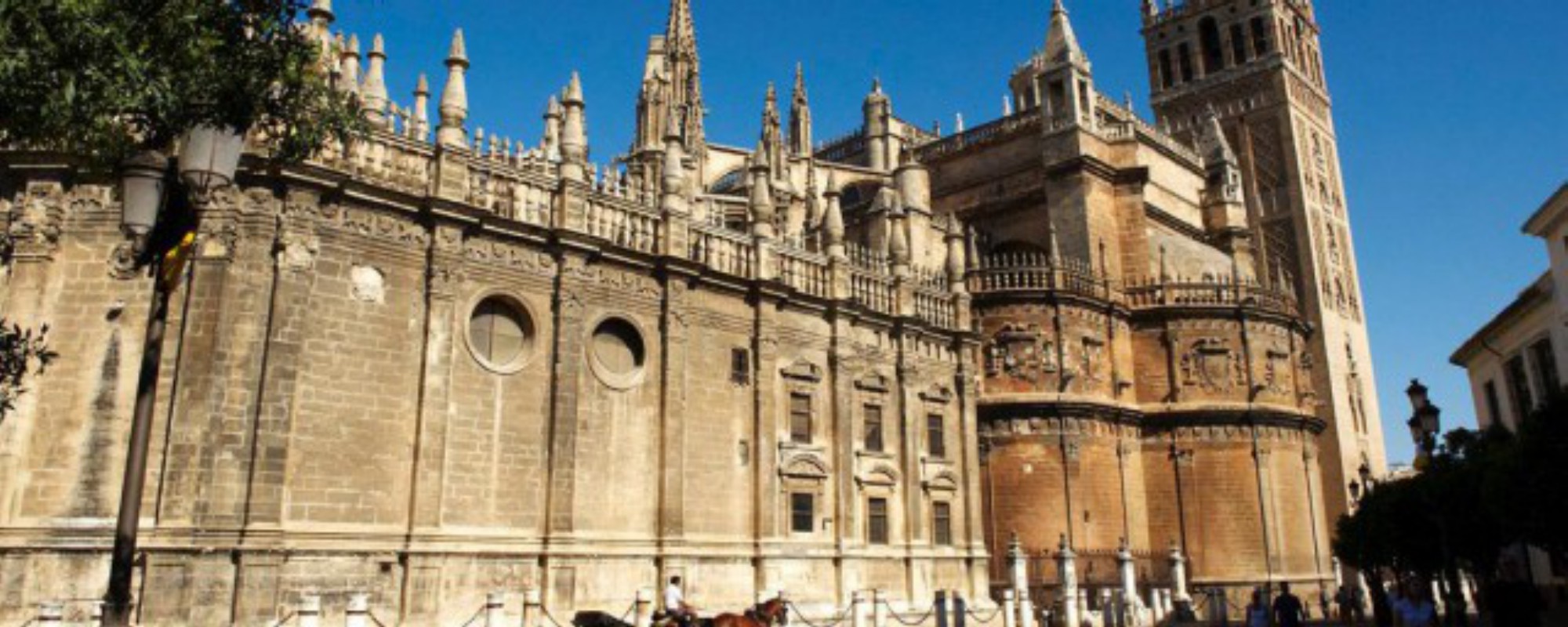
Choosing Materials and Color Schemes
When selecting materials, consider natural options, such as stone, wooden beams, and handmade terracotta bricks, which provide organic textures and an artisanal feel. Spanish design favors warm tones, employing orange, red, and brown hues to contrast with white walls, creating a softer yet layered visual environment.
Furniture and Decorative Details
For furniture, it’s recommended to choose wooden pieces with carved details, such as heavy dining tables and wicker chairs. Decoration can include hand-painted glazed tiles, wrought iron lighting fixtures, and small stone sculptures—all elements that effectively reflect the artistic sensibilities in everyday Spanish life. The table below offers a quick overview of common decorative elements:
| Decorative Element | Features |
|---|
| Handmade tiles | Rich colors, diverse patterns |
| Wrought iron lights | Hand-forged, unique shapes |
| Wicker chairs | Natural materials, lightweight and comfortable |
Courtyards and Outdoor Spaces
Spanish-style courtyards often feature a central fountain or flowerbed, with plants chosen for sun resistance, such as olive trees, lavender, and bougainvillea. Floors are commonly paved with terracotta tiles or cobblestones, which are not only slip-resistant but also maintain a rural aesthetic. For outdoor shade structures, wicker or wooden lattices can be used for ventilation while effectively blocking intense sunlight.
Construction and Budget Considerations
During construction, attention should be paid to structural reinforcement, especially for arched or brick-and-stone sections. Since Spanish style emphasizes craftsmanship, costs, as noted in Spanish Architectural Decoration, may be slightly higher, but durability and uniqueness are usually worth the investment. Planning your budget carefully and implementing the renovation in stages is a key strategy to ensure both aesthetic quality and economic efficiency.
