The Charm of Mosaic in Spanish Architecture
Walking through the streets of Spain, it’s easy to be captivated by the vibrant mosaic collages. This decorative art, made of vividly colored ceramics, glass, or stone, shines brilliantly not only on building facades but also adds liveliness to indoor spaces. For many, the word mosaic immediately evokes Gaudí’s works in Barcelona, with designs where curves and colors intertwine, transporting you into a dreamlike world.
Historical Roots
The popularity of mosaic in Spain dates back to the Roman era, when mosaics often adorned floors and walls, depicting religious stories or everyday scenes. When the Moors arrived in the Iberian Peninsula, they infused mosaic art with geometric and Islamic aesthetic elements. This thousand-year cultural fusion has shaped today’s richly varied Spanish mosaic style.
Materials and Craftsmanship
Common materials for Spanish architectural mosaics include ceramic tiles, stained glass, and natural stone. Local artisans rely on manual cutting and assembling, ensuring each piece displays unique textures and glimmers. The table below offers a simple comparison of several commonly used materials:
| Material Type | Features |
|---|
| Ceramic | Durable, rich colors |
| Stained glass | Good light transmission, unique texture |
| Natural stone | Natural patterns, high weather resistance |
When selecting materials, always consider the installation environment, as outdoor architecture often requires more weather-resistant materials to withstand the elements.
Modern Applications
In modern Spain, mosaics appear not only in monument restoration but also in contemporary architecture and interior decoration. For example, creating marine-themed mosaics on balcony railings can add a relaxed atmosphere to the space. In cafés and restaurants, mosaic feature walls are also popular backdrops for photos.
Watching and Experiencing
When visiting Barcelona, it’s highly recommended to go to Park Güell or Casa Milà to experience Gaudí’s mosaic magic. The park’s benches, steps, and even corners are covered in dreamlike color patches, shining brightly under the sunlight.
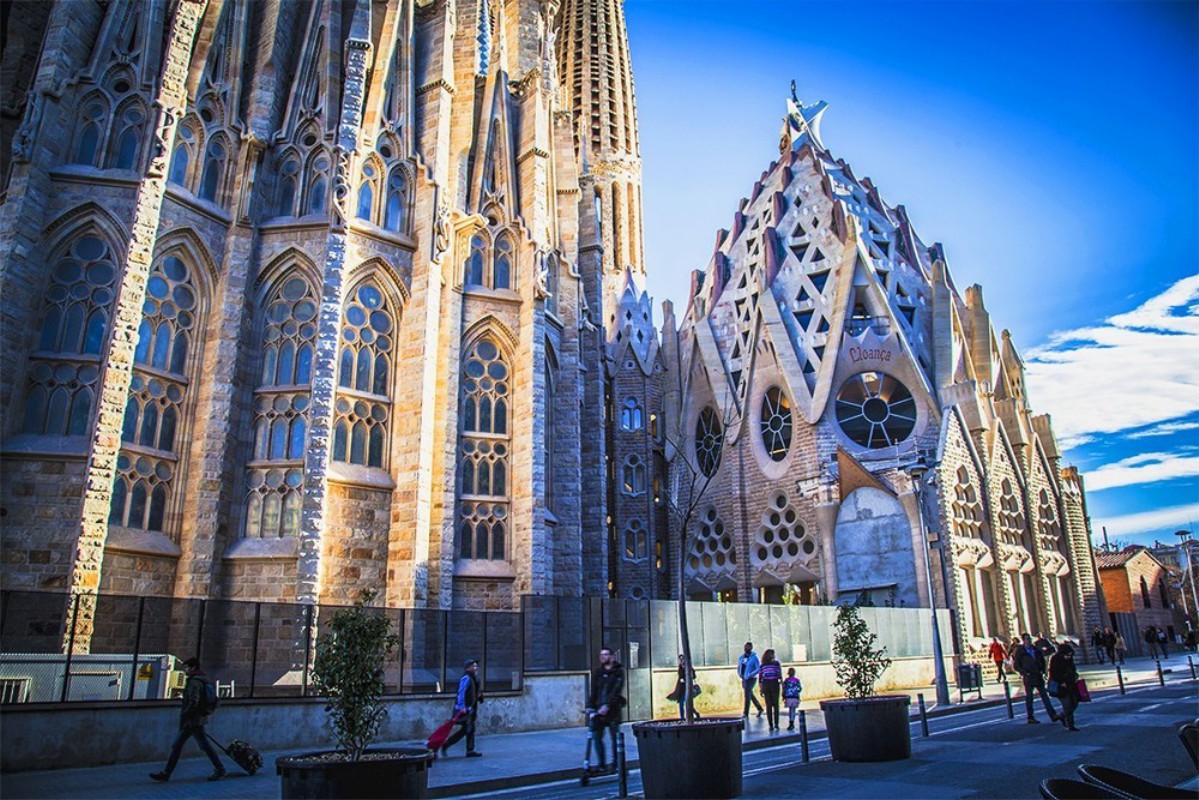
Beyond famous landmarks, many small towns still preserve ancient mosaic streets and courtyards. Stroll slowly and look closely, and you’ll discover mosaics deeply embedded in the Spanish way of life.
Interaction and Inspiration
If you’re renovating or designing, consider adding mosaic elements to small areas. They are not only visually pleasing but also easy to maintain. More about Spanish mosaic architecture enthusiasts will be shared in forums, where people exchange the mosaic works they have seen and installation tips, inspiring one another and collectively appreciating the unique charm of Spanish architectural mosaics.
