Exploring Illegal Constructions in Spain’s National Monuments
In Spain, some buildings listed as national monuments or cultural heritage sites, magnificent in appearance and rich in history, have been labeled as illegal constructions due to various renovations or expansions that violate regulations. Such situations not only leave cultural enthusiasts regretful but also spark discussions within surrounding communities.
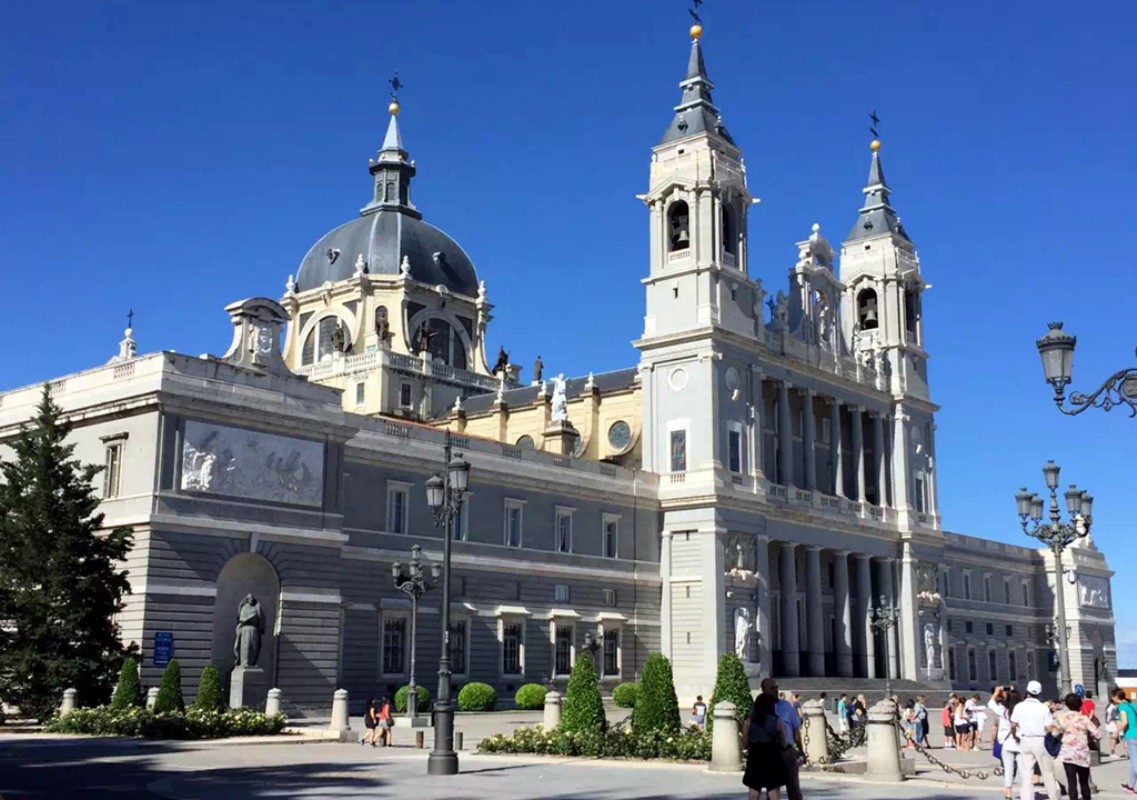
Common Types of Violations
Many national-level monuments have undergone multiple renovations throughout history, some to meet functional needs, and some Spain’s national-level buildings for commercial or private purposes. The most typical violations include:
| Common Issues | Description |
|---|
| Unauthorized additional floors | Without permission, adding an extra floor or attic to the original structure |
| Façade alterations | Changing windows, repainting affecting the original historic appearance |
| Change of function | Converting from a museum into a restaurant or hotel |
Even if such actions do not pose obvious structural safety risks, they can still be classified as violations for failing to comply with cultural heritage protection laws.
Legal Framework and Penalties
Spain’s “Cultural Heritage Law” and relevant regulations of each autonomous community impose strict restrictions on alterations to national monuments. Offenders may face:
- Heavy fines
- Mandatory restoration to the original form
- Even seizure or placement under public management
In one location, an 18th-century castle owner added a glass dining hall in the courtyard to attract visitors. Despite its modern design appeal, the modification was undertaken without approval from relevant authorities and was ultimately ordered to be demolished. Such incidents are not uncommon in the news and often prompt public debates over [ color=blue ]the conflict between preservation and utilization.
Discussion and Recommendations
When addressing the complex issue of illegal constructions in national monuments, striking a balance between preservation and use is crucial. If you live in or operate within similar buildings, it is advisable to first consult your local cultural heritage management office and submit renovation applications in accordance with laws to avoid crossing legal boundaries.
What are your thoughts on these cases? Should we strictly guard the original form, or allow moderate adjustments that respect the essence while adapting to modern life? Feel free to share your opinions in the thread.
